It’s not a question anyone wants to think about — but these days, with headlines full of rising tensions, it’s hard not to wonder where you’d be safest if World War III broke out.
As everyone can see, the world isn’t exactly calm right now, and past experience shows that conflicts often spread, drawing more countries into the fray.
Russia is still hammering away in Ukraine, NATO keeps reporting airspace violations, China continues rattling sabers over Taiwan, the Middle East is a powder keg, and North Korea never misses a chance to show off another missile.
Europe has even begun issuing “survival kit” guidelines, and some German schools have been told to prepare students for wartime scenarios. Adding to that, tensions between the U.S. and Venezuela have escalated to their most dangerous point yet.
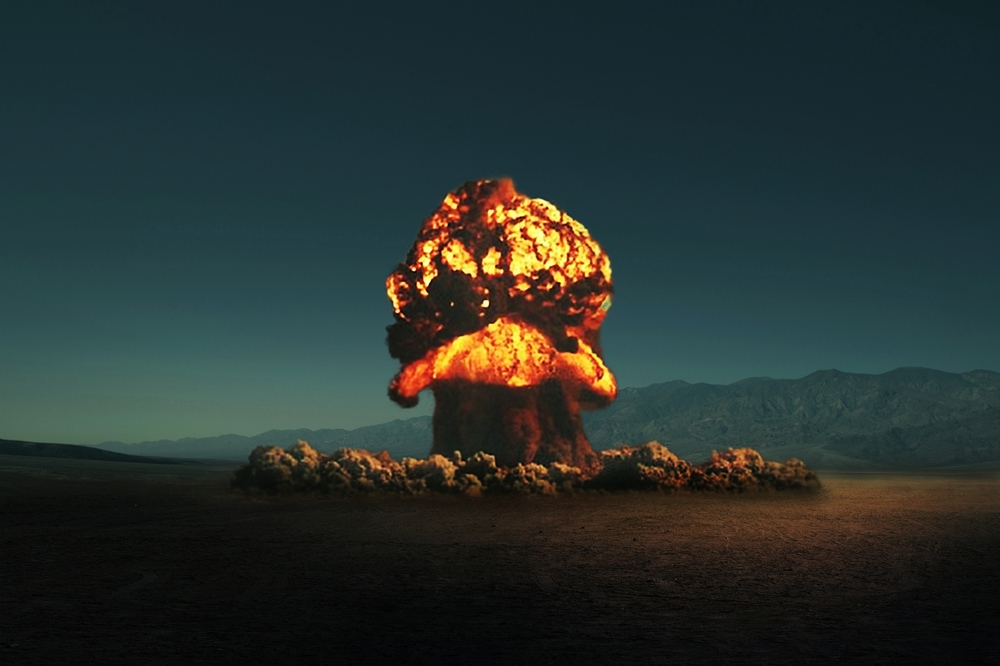
So if the world truly tipped into a global conflict — even the unimaginable nuclear kind — is there any place that might offer real safety?
The honest truth: nowhere would be completely untouched. But some locations are consistently ranked as the best places to ride out a global crisis, thanks to geography, neutrality, and isolation.
Here are some of the safest corners of the world, continent by continent — along with a few surprising additions.
New Zealand
New Zealand is practically the poster child for “where to go when the world falls apart.” Its closest neighbor is 1,200 miles away, and it’s far removed from global military flashpoints. Even though it partners with NATO, it’s not a prime target.
The Pacific country sits third on the Global Peace Index and is largely self-reliant, with recent research naming it the top choice for surviving a major crisis.
If you want something closer to the U.S., parts of Western Australia — especially Perth — are also extremely isolated and resource-rich.
Iceland
Iceland is often ranked as the world’s most peaceful nation. While it has signed bilateral agreements with Ukraine, its involvement is mostly limited to financial aid and minor transportation support.
Thanks to its remote location in the North Atlantic, Iceland would likely avoid the direct impacts of conventional warfare in Europe, though some nuclear fallout from the mainland could still drift its way.
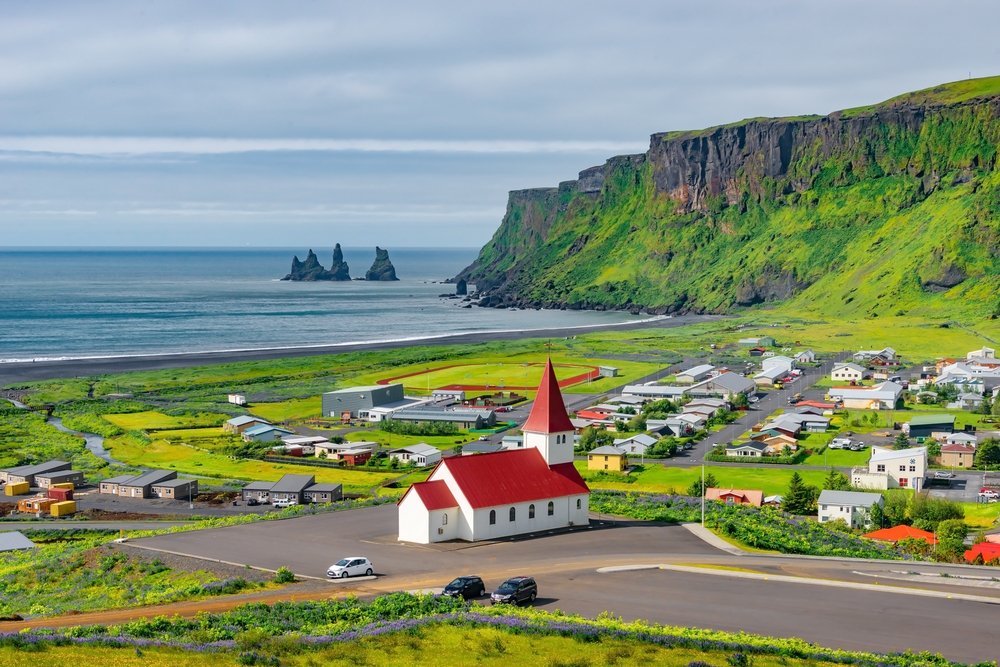
Although a NATO member, the country benefits from its isolation, abundant geothermal energy, and lack of hostile neighbors. Sure, the occasional volcanic eruption can be dramatic, but it’s still far safer than being anywhere near an active war zone.
Chile
Chile benefits from natural defenses, with the Andes Mountains to the east and the Pacific Ocean to the west providing solid geographic protection.
The continent itself is distant from the world’s main conflict zones, giving Chile an added layer of security.
Its coastline spans nearly 4,000 miles, about the same distance as from Moscow to Madrid, offering both isolation and space.
The nation is rich in crops and natural resources, making it easier to sustain itself. Combined with some of the most advanced infrastructure and development in South America, Chile stands out as a strong option for safety and stability.
Botswana
Southern Africa is geographically distant from global military hot spots.
Botswana in particular is stable, resource-rich, and non-aligned.
Namibia and remote regions of South Africa can offer similar advantages.
Bhutan
Perched deep in the Himalayas, Bhutan is both remote and neutral, making it exceptionally hard to reach. Its mountainous terrain offers natural protection that few nations can rival.
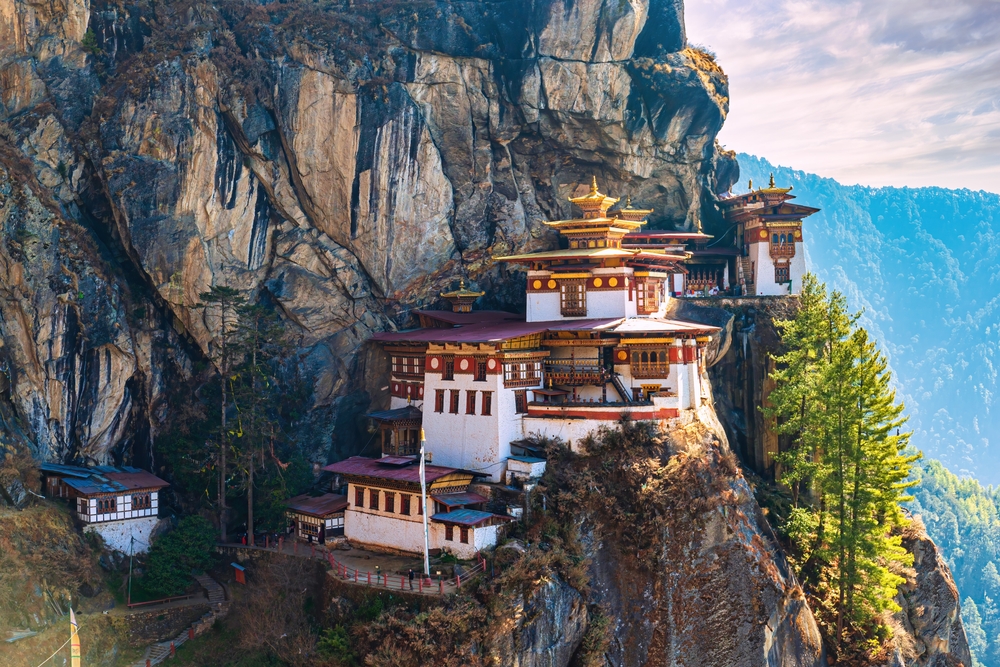
This small, landlocked country, nestled between India and China, benefits from its isolation and neutrality, keeping it low on the list of potential targets in any global nuclear conflict.
Switzerland
Switzerland is the country most closely linked with political neutrality, a stance it has maintained even during World War II.
Its landlocked location, mountainous terrain, and extensive network of nuclear shelters provide significant protection. Nearly every home has access to a bomb shelter, and the nation grows much of its own food, ensuring a high level of self-sufficiency.
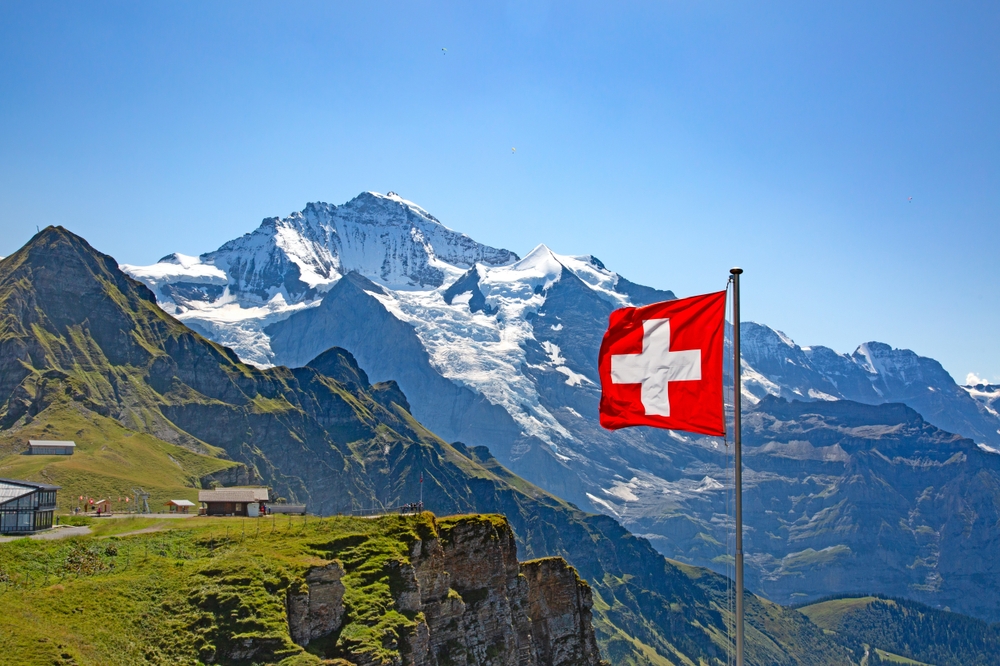
Switzerland has also steered clear of involvement in the Ukraine conflict, even blocking deliveries of Swiss-made weapons purchased by other European countries, which has led some to accuse it of favoring Russia.
Neutral for over two centuries and renowned for its civil-defense readiness, Switzerland remains one of Europe’s safest bets in the event of global conflict.
Antarctica
Not a country — but certainly far from global conflict. No permanent residents. No military. No strategic value.
Harsh? Absolutely. Surviving in Antarctica would be tough without careful preparation, but for those who are equipped, it could be the safest place in the world during a potential World War III.
Argentina
Argentina’s vast size and relative isolation make it a strong contender for safety in a global crisis. The country produces large quantities of food and has abundant natural resources, all while remaining largely outside major geopolitical conflicts.
Although Argentina has seen war in the past, most notably the Falklands conflict in 1982, its agricultural output makes it one of the most resilient nations in the face of famine.
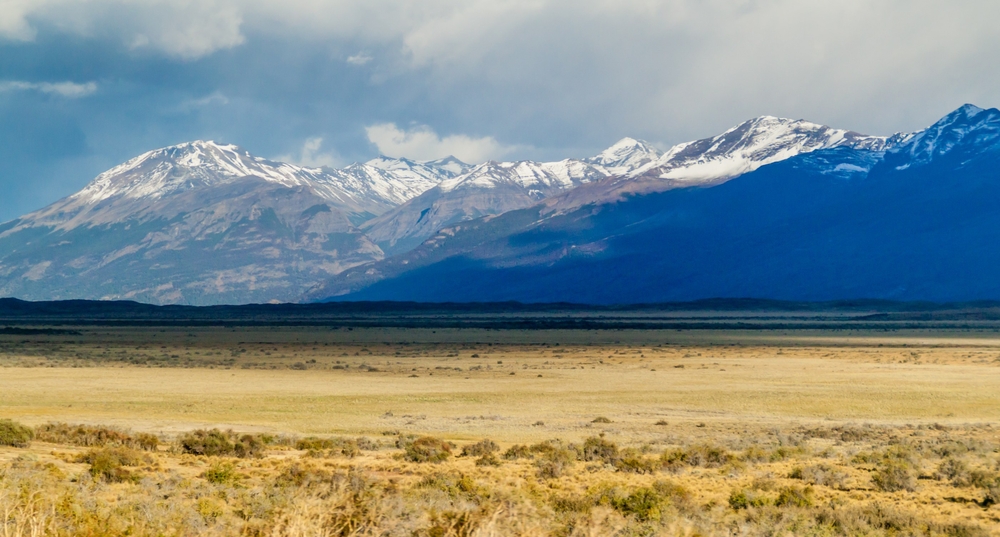
With plentiful crops, including wheat, the country would be better prepared than most if a nuclear winter or other global disaster were to disrupt sunlight and food production.
Fiji
Fiji sits roughly 2,700 miles from its nearest neighbor, Australia. The country was threatened by Japan for several years during World War II, but it came through the conflict relatively unscathed.
With no aggressive military posture and a small defense force of just 6,000 personnel, the island nation consistently ranks near the top of the Global Peace Index.
Canada (remote places)
Canada is enormous, and most of it is empty wilderness.
While Canadian cities might be vulnerable as NATO hubs, the interior and far north offer seclusion, natural resources, clean water, and plenty of room to disappear if necessary.
Tuvalu and the Pacific Islands
Tiny nations like Tuvalu, Samoa, and Kiribati are practically invisible on the world stage — which, in a global conflict, might be exactly what you want. They have no strategic value, no enemies, and plenty of natural resources for basic survival.

Do you have a country or region you think would be ideal to escape to in the event of a global conflict? Share your thoughts in the comments!