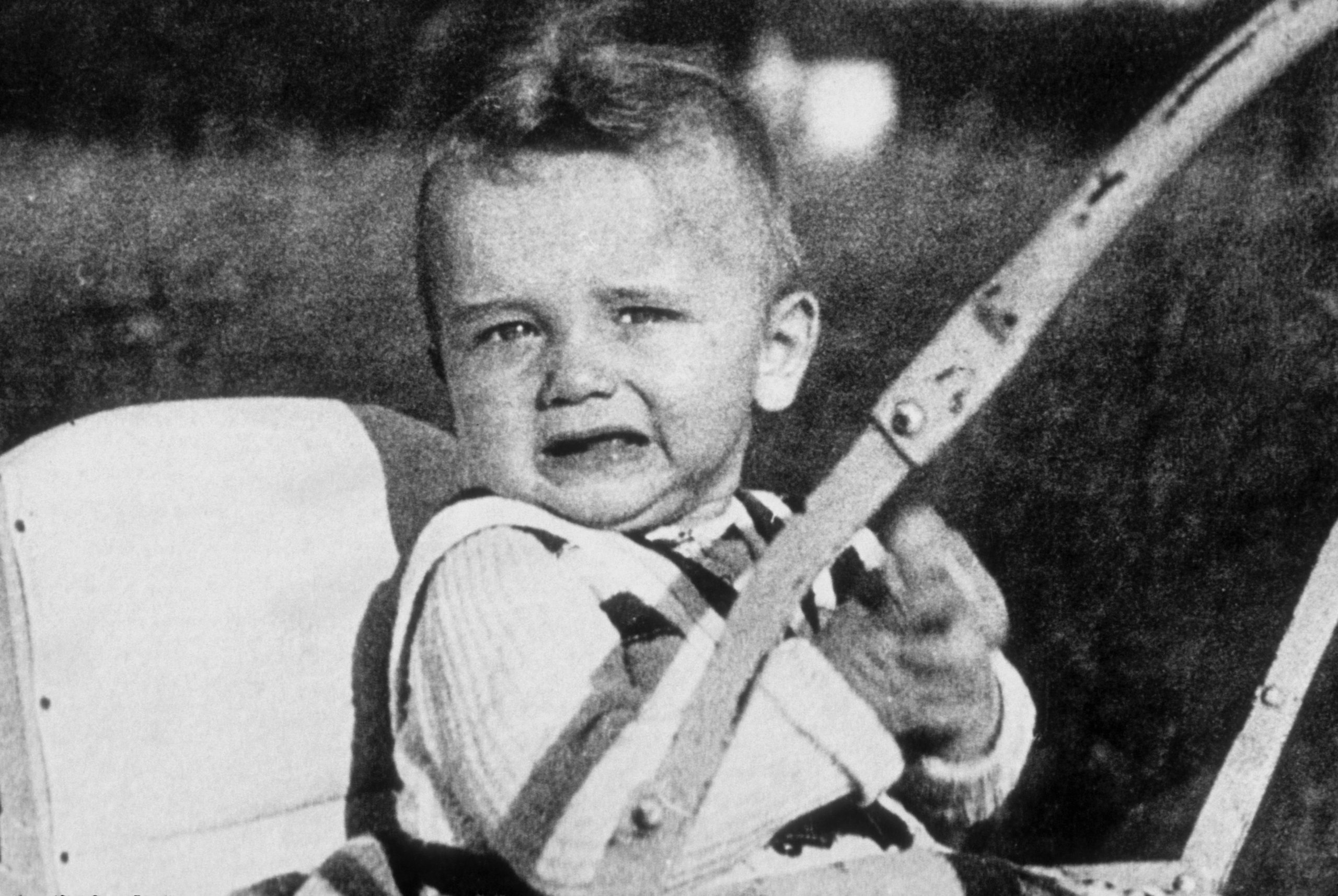
He grew up in a small apartment without a refrigerator, telephone, or modern toilet until he was a teenager.
He was skinny, beaten by his father, and faced a childhood that would have crushed most people’s dreams. Yet, he found a way out — through sheer determination, discipline, and a relentless drive for self-improvement.
Today, everyone knows his name — and it carries a level of respect that few actors or human beings can claim.
His father was a Nazi
On July 30, 1947, this actor entered the world. His alcoholic father, Gustav, was a authoritarian man who worked as the local chief of police. The father was also a member of the Nazi Party and served in theaters of the World War II where atrocities were committed, according to scholars.
Growing up, the star lived under the rules of a strict Catholic household. Both he and his older brother had to get up before sunrise to tend to their chores. Running water was a luxury others could afford, but not for our Golden Globe award wining icon. His family lived very modestly in an apartment overlooking a cow pasture.
”My brother and I would schlep the water from the well to the house, and then we would all clean ourselves — first my mother, then my father, then my brother, then me. The water was dirty by the time it was our turn but my brother and I weren’t going to schlep back to the well,” the actor said.
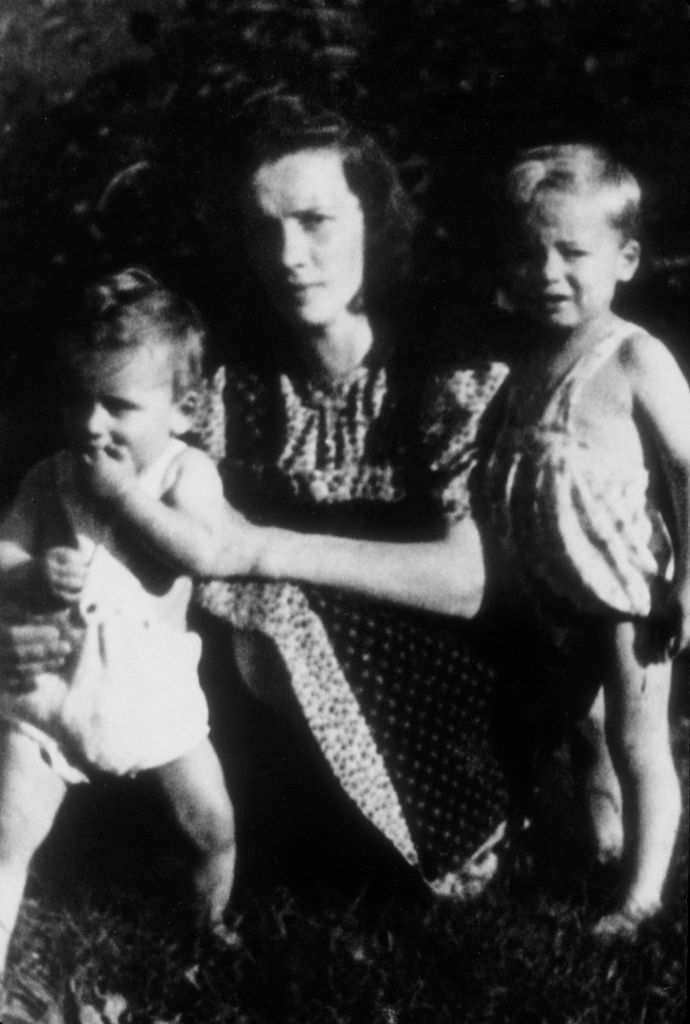
Although he later admitted to loving his father, there were definitely some unpleasant things happening in the house. As the actor once put it, disobedience or misbehavior was met with harsh punishment — “the rod was not spared.”
His earliest memory, he says, is crawling into his parents’ bed during a fierce thunderstorm, wedging himself between his mother and father for comfort. Still, he has noted that his father had “no patience for listening or understanding your problems.”
Unfortunately, his childhood also included more than emotional horror. His father would sometimes physically punish him.
”My hair was pulled. I was hit with belts. So was the kid next door. It was just the way it was,” he said but explained that it was simply a product of the times he was raised in.
”They didn’t want to create an individual. It was all about conforming. I was one who did not conform, and whose will could not be broken. Therefore, I became a rebel. Every time I got hit, and every time someone said, ‘You can’t do this,’ I said, ‘This is not going to be for much longer because I’m going to move out of here. I want to be rich. I want to be somebody.’”
A hot-and-cold-shower kind of a treatment
In several interviews, our award-winning and acclaimed actor has also said that his father openly favored his older brother, Meinhard. The favoritism was “strong and blatant,” fueled by an unfounded suspicion that the Hollywood icon wasn’t his biological child.
“My father had a hot-and-cold-shower kind of a treatment,” he once said.
“When he was drunk, he was not forthcoming with his emotions. He was angry. And when he was not — two, three days later, he would maybe feel guilty and buy us ice cream and take us out, hugging, kissing and all that stuff.”
Childhood friends recalled that their strict father would make the boys compete in athletic contests, lavishing praise on the winner (usually Meinhard) and criticizing the loser. Tragically, Meinhard would later die in a drunk driving crash in 1971.
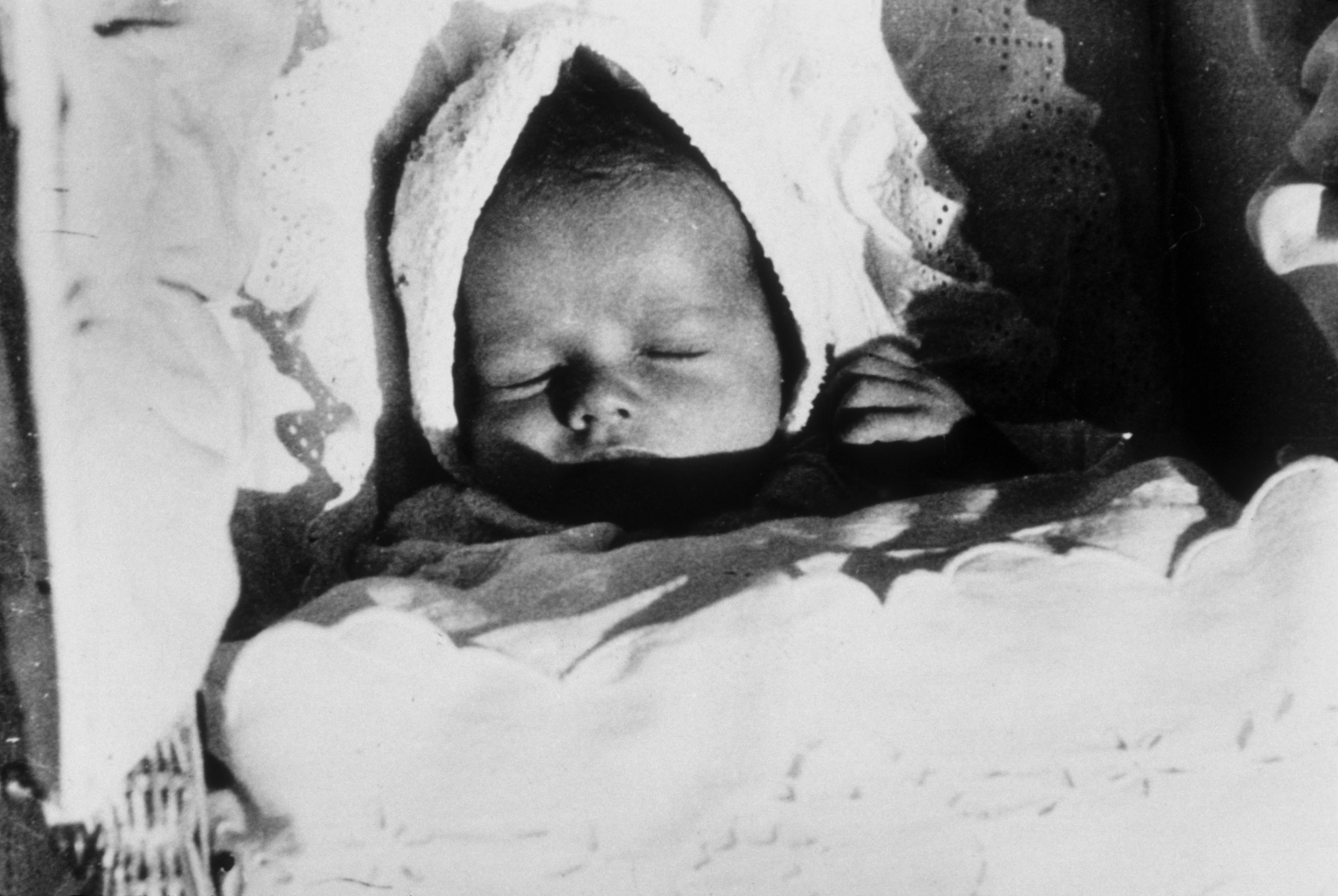
Despite the tough home life, the future star somehow managed to shine with his “cheerful, good-humored, and exuberant” personality. But he did struggle with reading and was later diagnosed with dyslexia. However, school was not where he would excel.
As a boy, he played several sports, with soccer being the one he was most passionate about. But that was about to change, as he would soon discover a hobby that would take him to unimaginable heights.
He first started weight training in 1960, when his soccer coach took the team to a local gym. By the age of 15, he was sneaking out at night to train at a local stadium while his father slept.
“When I was 15, I took off my clothes and looked in the mirror,” he later recalled.
“When I stared at myself naked, I realized that to be perfectly proportioned I would need 20-inch arms to match the … rest of me.”
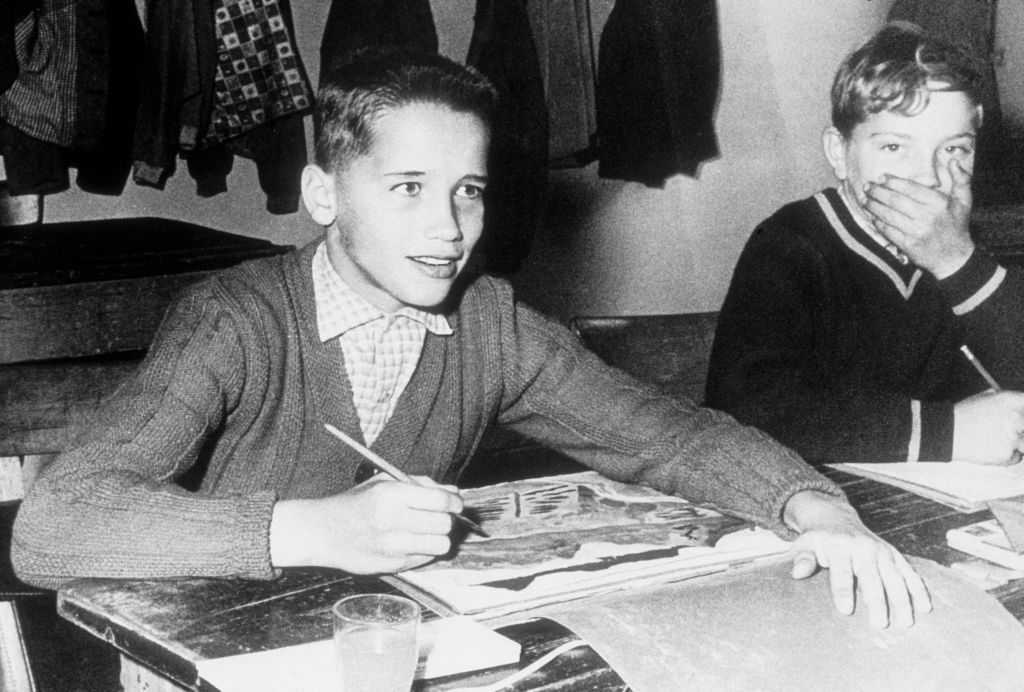
Bodybuilding was, however, never the ultimate goal.
“It was like my passport to all the great things that can happen in life; the things that I admired so much: getting wealthy, becoming an actor, getting an education,” he explained.
“I felt that bodybuilding could be the vehicle to get there.”
But his father was far from thrilled that the young man was into bodybuilding. He thought it was selfish and vain.
”My parents’ vision, not mine”
“Why don’t you chop some wood instead,” he would say, according to the actor’s memoir. “You can get big and strong that way and at least then you will have done something for somebody else.”
Apparently, his father’s criticism didn’t slow him down.
“That was my parents’ vision, not mine. I felt I was destined for something special, something big, something unique,” he said.
By the age of 20, he had already won Mr. Universe — and he would go on to claim the title four more times, along with seven Mr. Olympia crowns.
He spent hours each day training, focusing not just on building muscle but also on mastering ballet to perfect his poses, knowing that how he presented himself could make all the difference in winning.
At 21, he arrived in America, losing his first competition, but fate had bigger plans. Legendary bodybuilder Joe Weider took him under his wing. “I knew, and he knew, that he could be great,” Weider said. “We created Arnold. He was special because he was tall, he had willpower, charm, and above all he wanted to win.”
By now, you’ve probably guessed who we’re talking about — of course, it’s Arnold Schwarzenegger.
One of the highest-paid actors of the ’80s
Opportunities opened fast. From real estate investments to mail-order businesses, from writing fitness books to stock portfolios, he built a fortune.
Hollywood came next, though not without hurdles. His first film, Hercules in New York, flopped, and his accent and unusual name made him an unlikely star.
His second role came in The Long Goodbye, where he played a mobster’s henchman. He then landed a bigger role in Stay Hungry (1976), earning him the Golden Globe Award for New Star of the Year – Actor.
But wasn’t until the cult hit Pumping Iron showcased his charisma and competitive fire that the world took notice. Soon, blockbuster roles in Conan the Barbarian, Terminator, Terminator II, and Total Recall turned him into one of the highest-paid actors of the ’80s, pulling in around $35 million per film.
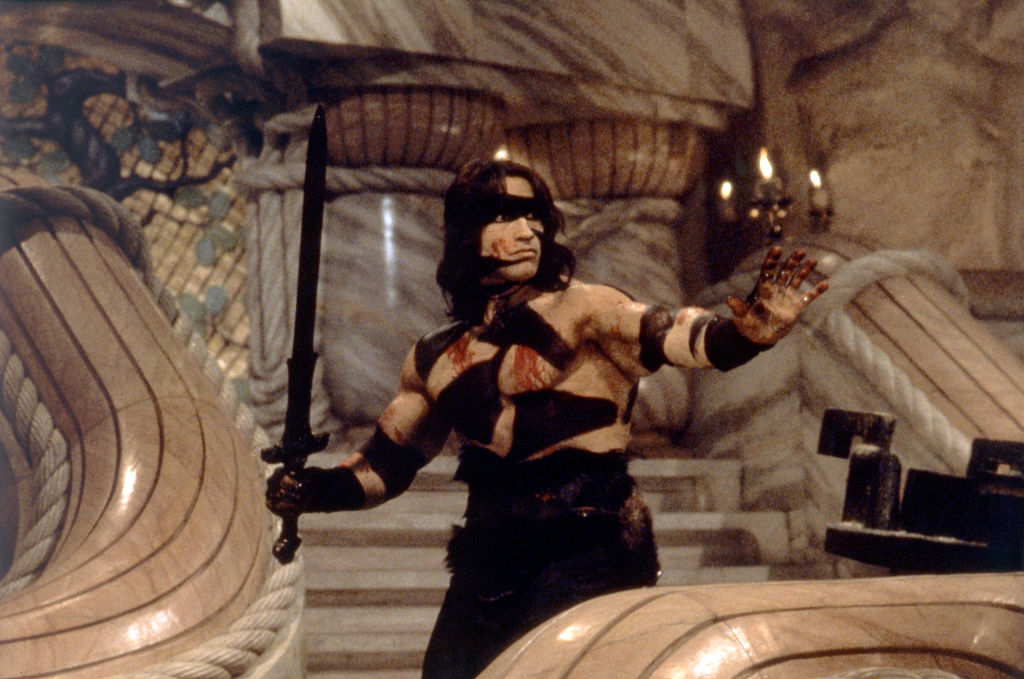
But fame wasn’t enough. Politics beckoned. In 2003, during his run for governor of California, he faced a torrent of accusations, 16 women came forward with claims of sexual misconduct. He admitted some truth to the controversies but ultimately won, later reflecting, “A lot of the stuff in the story is not true. But I have to say that where there’s smoke, there’s fire.”
Arnold wasn’t a typical politician. Supporting gun control, gay rights, and climate initiatives, he alienated both sides at times but still managed to secure a second term. Yet, personal life struggles loomed large: a public admission of an extramarital child and eventual divorce from his wife, Maria Shriver, marked a turbulent chapter.
He admitted that the divorce was “very difficult in the beginning,” but emphasized that he and Shriver have moved forward and maintain a strong relationship.
“I have a wonderful girlfriend, [physical therapist] Heather Milligan, who is very successful,” he said. “I’m really proud of her, and I love her. At the same time, I love my wife. She and I are really good friends and very close, and we are very proud of the way we raised our kids.”
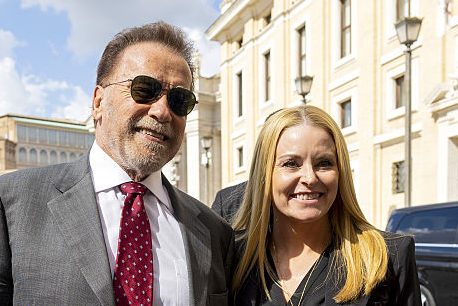
Even beyond politics and film, Arnold continues to stay relevant.
At 78, he stays incredibly active, dedicating himself to health initiatives such as the “You’ll Be Back” joint health campaign with Zimmer Biomet, environmental advocacy, and fitness routines designed to protect aging joints. He continues to star in projects like Netflix’s FUBAR while inspiring millions with his message of consistency, longevity, and dedication.
In 2024, Forbes valued Schwarzenegger’s wealth at over a billion dollars.
On the topic of his personal wealth, Schwarzenegger once joked, “Money doesn’t make you happy. I now have $50 million, but I was just as happy when I had $48 million.”
From a struggling Austrian farm boy to bodybuilding champion, Hollywood megastar, political figure, and social media force, Arnold story is a masterclass in reinvention and resilience. Share this piece if you agree!
READ MORE
- Huge update on British student, 23, jailed for life in Dubai after ‘very stupid mistake’
- Top 10 safest places if World War 3 broke out