His popularity skyrocketed through the ’70s.
But his excessive lifestyle and substance abuse caught up with him.
In the end, he died far too young — but his music and legacy will live on forever.
A true pioneer
There have been plenty of larger-than-life figures in country music history — but the man we’re talking about today might just rank among the most influential of them all. His journey, however, was anything but easy.
It was marked by hardship, and his toughest battle was the one he fought against addiction. After his breakthrough, years of cocaine use began to take a serious toll, even damaging his voice. Fans were heartbroken at some of his concerts, hearing how far it had fallen, no longer sounding like the voice they once knew.
At the same time, his personal life was also unraveling. The once-vibrant singer and songwriter grew increasingly withdrawn, even feeling uncomfortable around his own family. By the early 1980s, it seemed like everything was headed toward yet another tragic ending.
But the Texas native wasn’t done yet.
Didn’t like his name
The star we’re talking about today was a true pioneer in country music—and would eventually earn a place in the Country Music Hall of Fame. He was born on June 15, 1937, on the J. W. Bittner farm near Littlefield, Texas.
According to him, his roots were a mix of Cherokee and Comanche heritage, along with Irish and Black-Dutch ancestry. The name he was given at birth didn’t last. It was later changed, something he wasn’t too happy about at first.
“It sounded so corny and hillbilly, but it’s been good to me, and I’m pretty well at peace with it now,” the singer once confessed.
After spending his early years working as a laborer on the family farm, his father moved them into town and opened a small retail creamery, marking the beginning of a new chapter far from the fields.
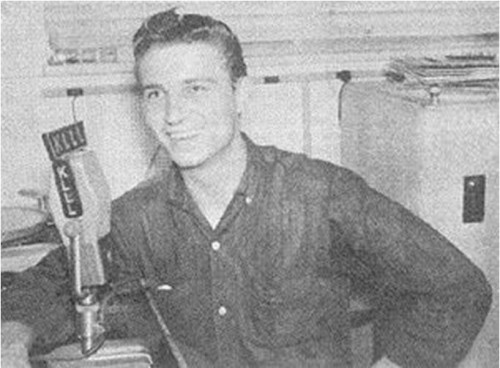
“We didn’t have much, but we were happy people,” the star’s mother recalled in a 1990 interview.
When he was just eight years old, his mother taught him to play guitar, starting with the tune “Thirty Pieces of Silver.” He practiced on relatives’ instruments until she finally bought him a used Stella guitar. From there, he began performing at family gatherings.
After several disciplinary issues, the 16-year-old was persuaded by the school superintendent to leave high school. He went on to work in his father’s store and took on various odd jobs, but deep down, he already knew music was going to be his future.
But success didn’t come easy. In the early days, music wasn’t enough to make a living, so he drove trucks just to get by. Everything began to change when the young musician crossed paths with Buddy Holly.
Swore that would never pick up the guitar again
By 18, he had landed a job as a radio DJ in Lubbock, Texas, where their paths first crossed. Holly even produced his first record and invited him to join his touring band as a bass player. Our star was part of the ill-fated 1959 tour, but in a twist of fate, he gave up his seat on the plane that would later crash, killing Holly and others. It was a moment that would haunt him for the rest of his life and he swore that would never pick up the guitar again.
He said he had no desire to continue in music, but after a couple of months, the urge returned, and he got back to work.
In the early 1960s, the singer moved to Phoenix, Arizona, where he began shaping a sound that blended country with rock, folk, and blues.
“I didn’t just sing country music,” he later wrote. “We did rock ’n’ roll and some folk music and some blues.”
A short stint in Los Angeles followed before he caught the attention of songwriter Bobby Bare, who called legendary producer Chet Atkins and declared him the “best thing since Elvis.” That call changed everything.
”Pills were the artificial energy”
He signed with RCA and headed to Nashville, even briefly sharing a place with Johnny Cash, a pairing he once joked was like “the original Odd Couple.”
That time living with Johnny Cash had consequences beyond just music. During the mid-1960s, the star began using amphetamines—a habit that quickly became part of the fast-paced lifestyle in Nashville.
He later reflected on it with striking honesty: “Pills were the artificial energy on which Nashville ran around the clock.”
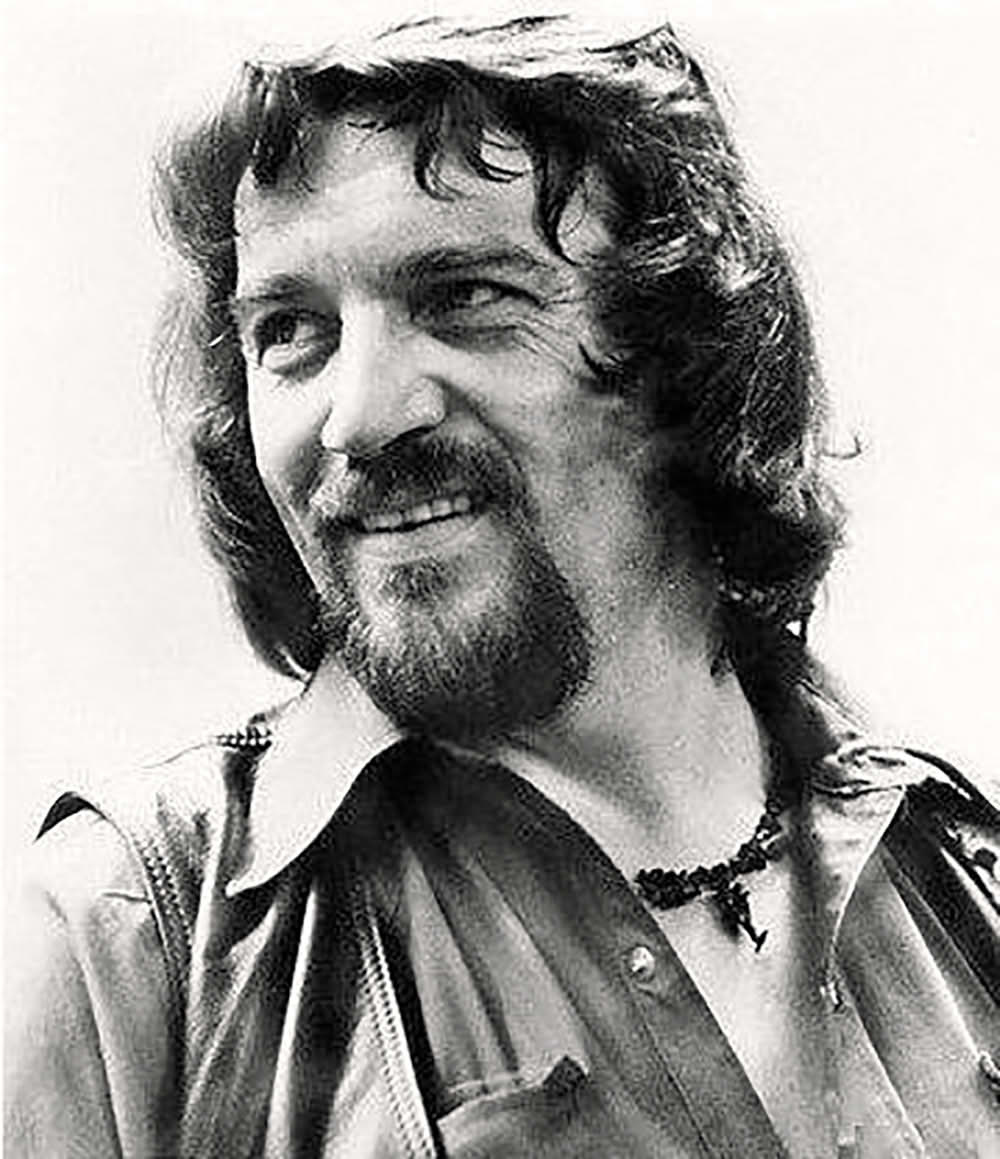
At first, he played by Nashville’s rules, scoring hits with a polished, traditional sound. But it didn’t sit right with him. By the mid-’60s, he was pushing back against what he saw as overly polished, formulaic country music.
That rebellion would soon define him. Alongside artists like Willie Nelson and Tompall Glaser, he became a central figure in the outlaw country movement, raw, authentic, and unapologetically different.
Their 1976 album Wanted: The Outlaws became the first country album to sell over a million copies, changing the industry forever.
With long hair, a rebellious image, and a refusal to follow the rules, he helped reshape country music, taking creative control, ditching the Nashville system, and recording with his own band. Albums like Honky Tonk Heroes captured that new, gritty energy.
Spent $1,500 a day on cocaine
But the lifestyle came at a cost. Heavy drug use took its toll.
“I never did drink. That used to be one of my big brags. I would sit around and say, ‘I don’t drink and I never did drink.’ There I’d be just stoned out of my gourd on cocaine, but I was real proud of myself because I never did drink,” he said.
By the late ’70s, even he admitted the outlaw image had gone too far.
At the height of his addiction, he reportedly spent $1,500 a day (around $5,300 in 2026 dollars), completely draining his finances and leaving him with debts totaling $2.5 million.
Though determined to repay what he owed and taking on extra tours to do so, his work suffered and his performances declined. He eventually leased a home in the Phoenix area to detox, initially intending to use cocaine again in a more controlled way. By 1984, he quit for good, citing his son Shooter as the main motivation to finally turn his life around.
By the late 1980s, the singer had hit a major comeback and was enjoying significant success. In the later years of his career, he returned to the stage alongside some of his closest friends, earning renewed respect and recognition as one of the true pioneers of progressive country.
He won a Grammy for “Mammas Don’t Let Your Babies Grow Up to Be Cowboys” and later teamed up with Kris Kristofferson and others in the supergroup The Highwaymen.
In the 90s’, health issues began to catch up with him. Years of smoking, drug use, poor diet, and obesity had taken their toll, leading to Type 2 diabetes. He underwent heart surgery but bounced back, conquering his addiction and returning to music with renewed focus and a deeper sense of reflection.
The sad ending
He released acclaimed albums, published a powerful autobiography, and was finally inducted into the Country Music Hall of Fame, though true to form, he chose not to attend the ceremony.
By the time the world fully caught up with his legacy, there was no denying it.
His name was Waylon Jennings — and he didn’t just play country music. He changed it forever.
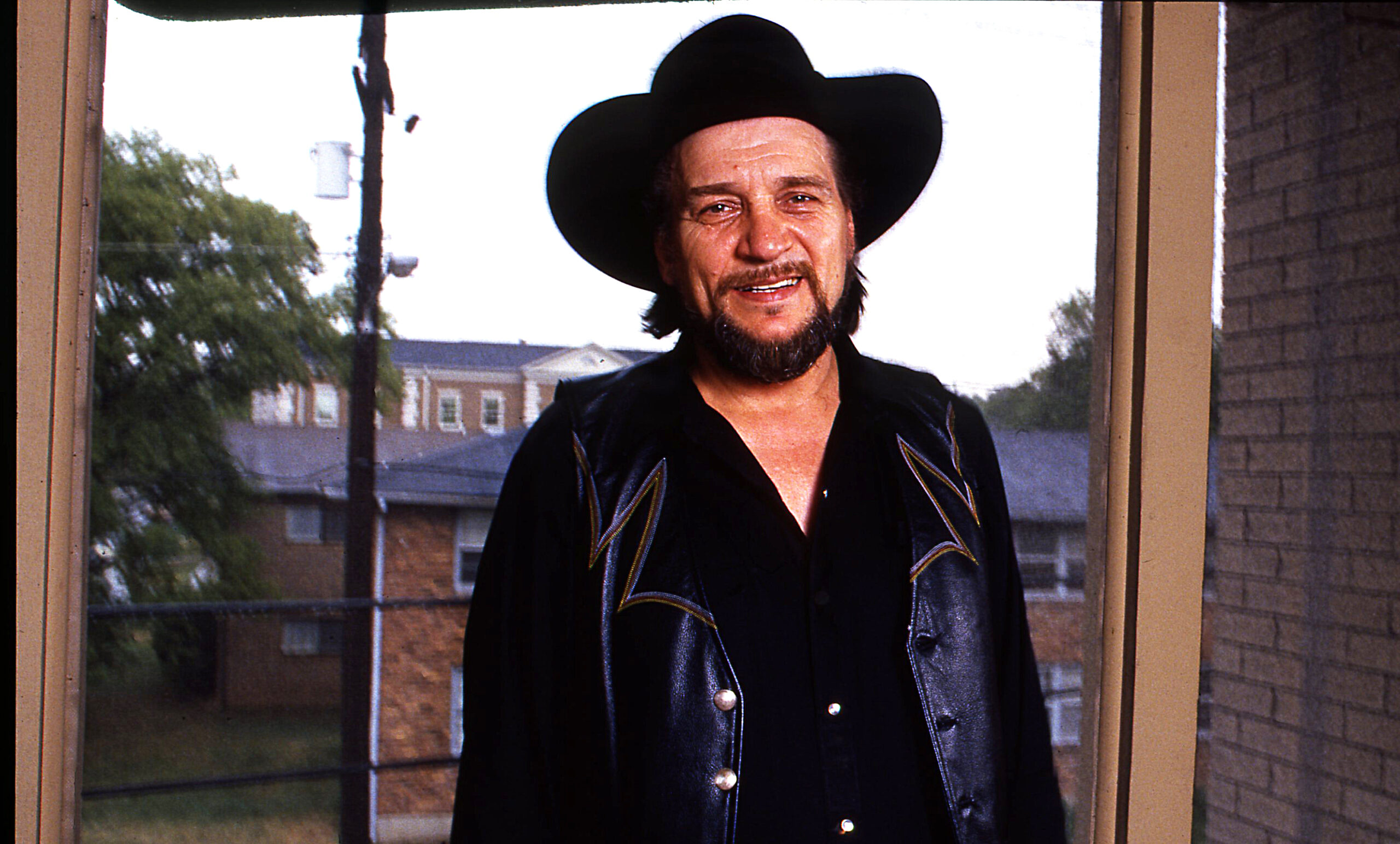
By 2000, Waylon Jennings’ diabetes had worsened, leaving him in so much pain that he could barely get around and was forced to stop most of his touring. That year, he also underwent surgery to improve blood circulation in his left leg. In December 2001, his left foot was amputated at a hospital in Phoenix.
On February 13, 2002, Jennings passed away in his sleep at his home in Chandler, Arizona, at the age of 64 due to complications from diabetes. He was laid to rest at the City of Mesa Cemetery in nearby Mesa.
Waylon Jennings wasn’t just a country star—he was a rebel, a trailblazer, and a man who lived every note of his music with raw honesty.
From his early struggles and battles with addiction to his triumphant return as one of the architects of outlaw country, his story reminds us that greatness often comes through perseverance and passion.
His voice, his songs, and his spirit continue to inspire generations, proving that legends never truly fade, they just keep playing on in the hearts of those who listen.
READ MORE
- Donald Trump reveals bombshell plans to run for president in another country
- Artemis II flight director issues update on grim unexpected malfunction