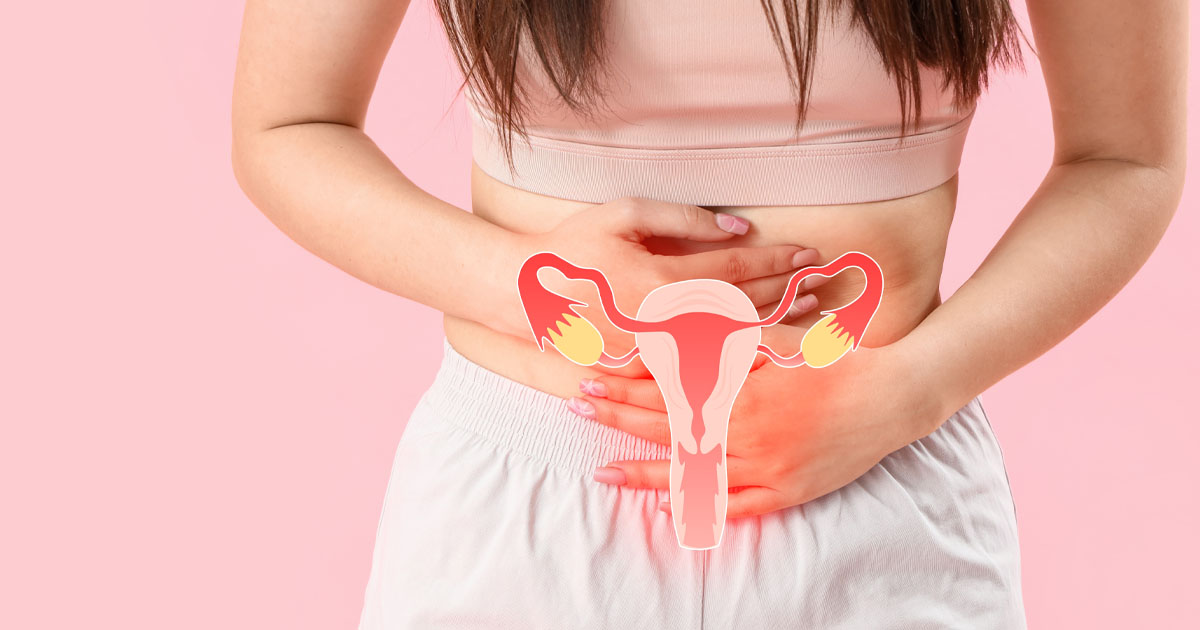
A Democratic proposal making its way through Congress could soon give American workers up to 12 days of paid leave to deal with reproductive health conditions – everything from severe menstrual pain and menopause symptoms to IUD insertions, fertility treatments, and abortion care
The legislation is part of a broader package called the “H.E.R. Agenda,” short for Health, Equity, Rights, introduced by Rep. Yassamin Ansari of Arizona, currently the youngest woman serving in Congress. The package takes aim at what supporters call longstanding gaps in how the U.S. healthcare system and workplace policies treat reproductive health
And it’s not just for women. Ansari has made a point of noting that several provisions, including leave for fertility treatments and vasectomies, would apply to men as well.
A 2019 study found that nearly 14% of women missed work during menstruation, while over 80% reported showing up anyway but struggling to get anything done. When it comes to menopause, 65% of people said their symptoms affected their work performance, and 18% had to take sick leave for it.
The H.E.R. Agenda
Ansari, who has spoken openly about her own struggles, wrote about the subject in a recent op-ed for TIME: “I have passed out because of period pain. Even now, every month, I have days where it feels like barbed wire is tightening inside me. I’ve taken 2,000 milligrams of ibuprofen in 24 hours and still been in tears from the pain. I often end up on the bathroom floor, in the fetal position, crying, moaning, or vomiting. Still, I’ve put on a blazer and gone to work.”
She added: “I may be the youngest woman serving in Congress, but this pain is older than me, older than my mother, older than my grandmothers. They endured it in silence. Future generations shouldn’t have to.”
Beyond the paid leave provision, the H.E.R. Agenda includes several other measures. One proposal would require the Department of Health and Human Services to identify barriers to pain management for gynecological procedures, things like IUD insertions, biopsies, and pap smears, and then issue a report with recommended fixes.
The push comes after the American College of Obstetricians and Gynecologists issued updated pain-management guidelines in 2024, citing an “urgent need” for better care, according to Tyla.
What is PMDD?
The package would also direct the National Institutes of Health to expand research into Premenstrual Dysphoric Disorder, a condition affecting an estimated 3.2% to 7.7% of women of reproductive age. According to the Mayo Clinic PMDD is a “severe, sometimes disabling extension of premenstrual syndrome (PMS),” which can cause “extreme mood shifts that can disrupt daily life and damage relationships.”
Moreover, the legislation also includes a resolution that would officially recognize the history of women’s healthcare dismissing patient autonomy, and call for systemic changes that put women’s comfort and needs front and center.
“When we start speaking honestly about this pain, and when we finally pass policies that recognize it, we can change what’s possible for every generation that comes after us,” Ansari wrote.
READ MORE
- US Senator reveals ‘real reason’ he thinks Trump is trying to put his name on things
- Real reason Trump canceled America’s 250th birthday party revealed