For many viewers, Petticoat Junction was more than just a comedy series — it was a little escape to a simpler, slower time. The kind of show you could watch as a child and somehow still love decades later.
Its unforgettable characters, gentle humor, and charming small-town setting captured something that television rarely offers today. And for those who grew up with the Bradley sisters and the rest of the beloved cast, one look at that iconic opening can bring the memories rushing back.
But as perfect as the series may seem looking back, Petticoat Junction wasn’t without its share of mistakes, behind-the-scenes quirks, and surprising facts that even longtime fans may have missed.
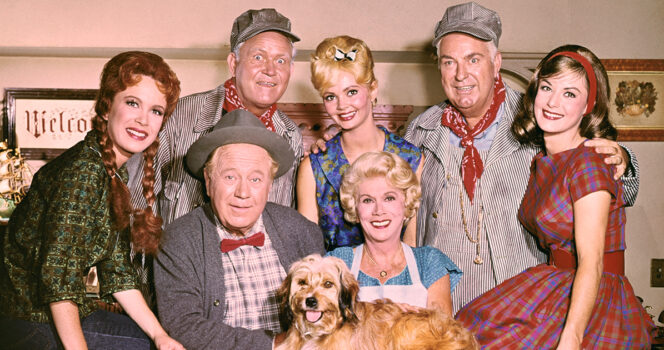
For those who haven’t watched Petticoat Junction in years — or may not remember all the details — the classic sitcom centered around life at the rural Shady Rest Hotel.
The hotel was run by widowed matriarch Kate Bradley, played by Bea Benaderet, with her famously lazy but lovable Uncle Joe Carson, portrayed by Edgar Buchanan, supposedly helping out with the day-to-day business.
Much of the show’s storylines revolved around Kate trying to keep things running smoothly while also dealing with the everyday adventures and mishaps involving her three daughters: redheaded Betty Jo, played by Linda Kaye Henning; brunette Bobbie Jo, originally played by Pat Woodell and later Lori Saunders; and blonde Billie Jo, who was portrayed over the years by Jeannine Riley, Gunilla Hutton and Meredith MacRae.
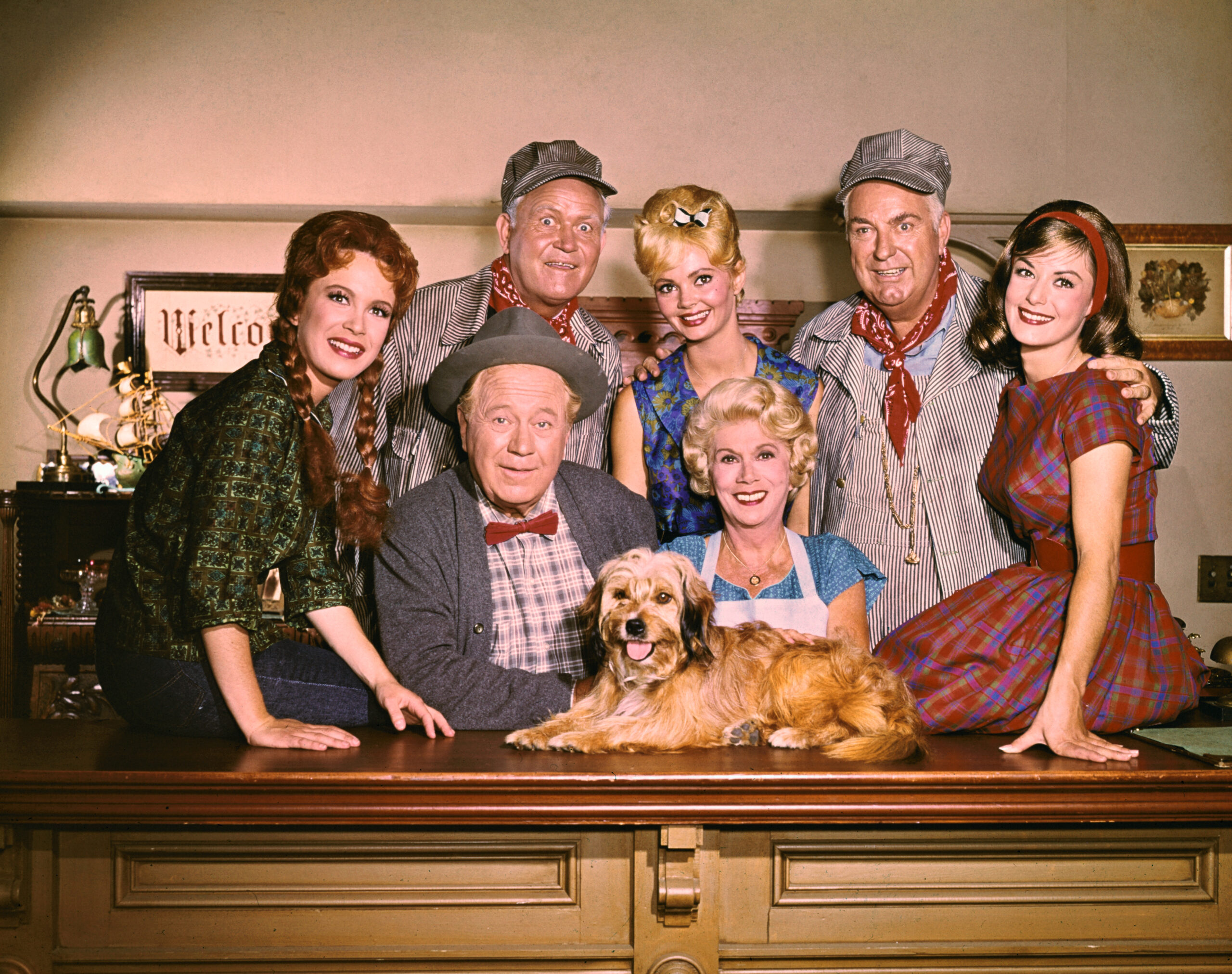
Set in the fictional rural community of Hooterville, the show became a beloved piece of classic American television — and the Shady Rest Hotel and Hooterville Cannonball became just as recognizable as the characters themselves.
And after seven seasons and 222 episodes, viewers clearly didn’t mind a few bumps along the tracks.
The “junction” wasn’t really a junction
Despite the title, the Shady Rest Hotel wasn’t actually located at a railroad junction. It sat beside a water stop on an isolated branch line. The nickname “Petticoat Junction” came from the Bradley sisters’ habit of swimming in the railroad’s water tower and leaving their petticoats hanging over the side.
And yes, that cheeky opening shot was meant to make viewers wonder exactly what was happening behind that water tower.
The opening credits had a pretty big oops
When Meredith MacRae replaced Gunilla Hutton as Billie Jo at the beginning of the 1966–67 season, the show apparently forgot to update one very important detail.
In the long shot of the Bradley sisters climbing down from the famous water tower, Gunilla Hutton was still there — and she remained in the opening sequence for the next four years, even though Meredith had already taken over the role. Talk about a long-running continuity mistake!
There was also a change in the sisters’ order. During the first two seasons, the opening and closing credits showed them as Billie Jo, Bobbie Jo and Betty Jo. Starting with Season 3, the order was switched to Betty Jo, Bobbie Jo and Billie Jo.
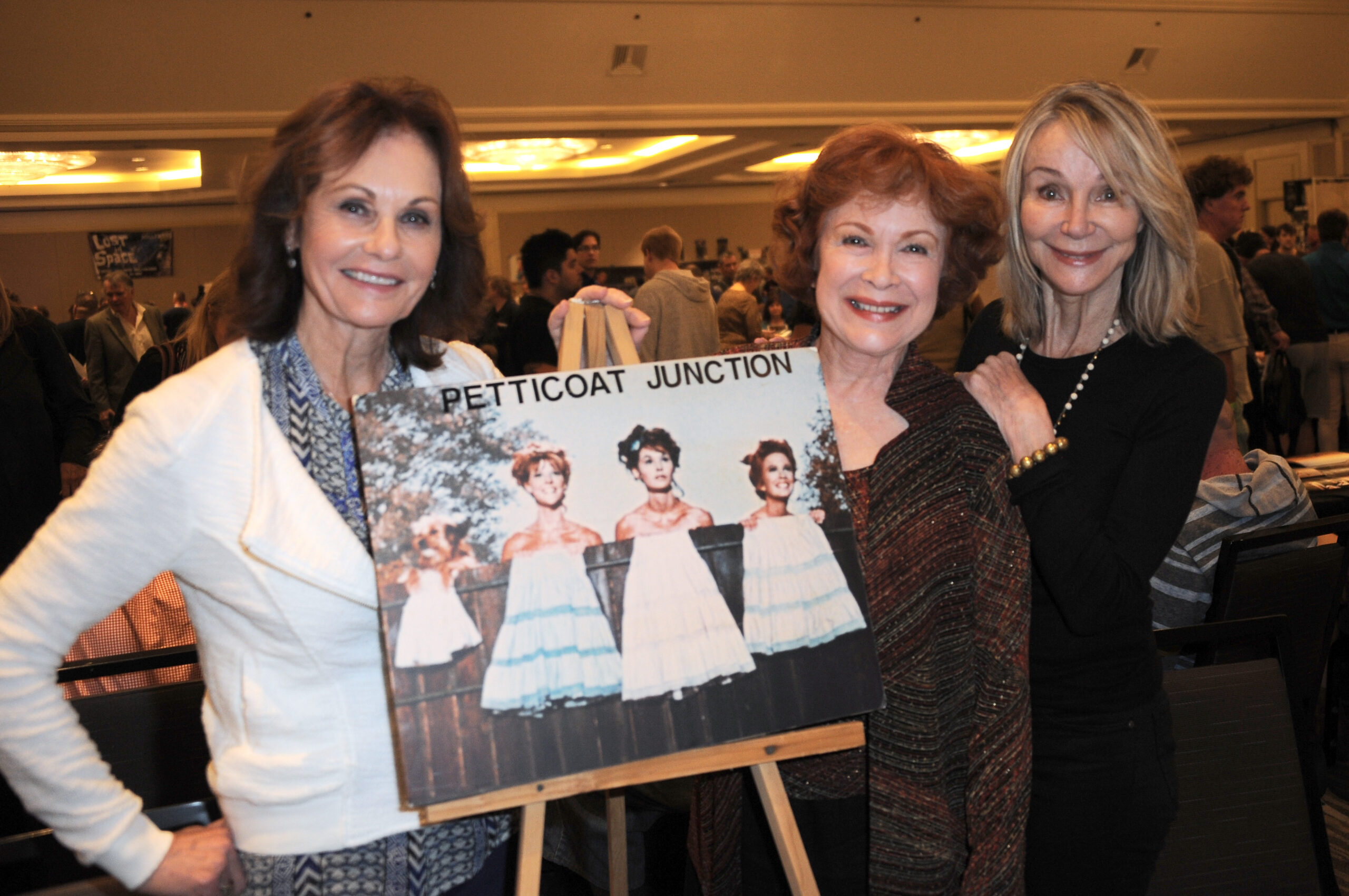
And here’s another fun fact: casting the three sisters was no small task. Creator Paul Henning reportedly interviewed 1,500 women before choosing the Bradley girls.
One of those actresses was Linda Henning, who played Betty Jo — and she had a rather special connection to the show’s creator.
Linda was Paul Henning’s own daughter. Bea Benaderet reportedly suggested her for the role, and the rest became TV history.
The train had a mind of its own
The famous Hooterville Cannonball was supposed to be the main — and practically the only — way to reach the Shady Rest Hotel. The hotel was supposedly miles from the nearest town, with the only road being little more than a rough, badly rutted fire road.
But as the series went on, the writers seemed to gradually forget that detail.
Characters increasingly appeared at the Shady Rest without any explanation of how they had gotten there or when they had arrived. Sometimes one person would step into the hotel right after the Cannonball pulled in, only for another character to show up a few minutes later — despite apparently never having been on the train.
Other times, guests would arrive at the hotel, and then, just minutes later, the Cannonball would roll into the station.
Apparently, the Hooterville Cannonball didn’t just run on railroad tracks — it operated on TV time…
Eagle-eyed fans spotted a funny problem
And then there was the Cannonball’s smoke — a detail eagle-eyed viewers may have noticed.
The locomotive was supposedly powered by wood, with the tender visibly piled high with chopped firewood. But the engine often belched thick, pitch-black smoke from its smokestack. A real wood-burning locomotive would generally produce lighter-colored smoke, while the black smoke suggested the actual locomotive was burning oil.
The show even came up with a clever explanation. In the first episode, viewers are told that the Cannonball is burning railroad ties as fuel — giving the production a convenient excuse for all that suspiciously dark smoke.
The “train” wasn’t always the same train
Some shots of the Hooterville Cannonball used a real vintage locomotive, while other scenes relied on a mock-up. According to classic-TV sources, the fake version had only one set of wheels that could be repositioned depending on which part of the train needed to appear on camera.
Another little detail eagle-eyed Petticoat Junction fans may have spotted: the Hooterville Cannonball didn’t always have the same number.
During the first two seasons, when the show was still filmed in black and white, the locomotive displayed a “3” on its front plate. But once the series switched to color in Season 3, the number mysteriously became “8” — and stayed that way for the rest of the show.
A real-life romance came out of the show
Here’s one fans often love: Linda Kaye Henning, who played Betty Jo, married Mike Minor, who played Steve Elliott, in real life.
The fictional couple married on Petticoat Junction in 1967. Just 10 months later, the actors themselves got married. Yhe wedding gown Linda Henning wore when Betty Jo married Steve on the show was the very same gown she wore when she married Mike Minor in real life.
Sharon Tate was almost a Bradley sister
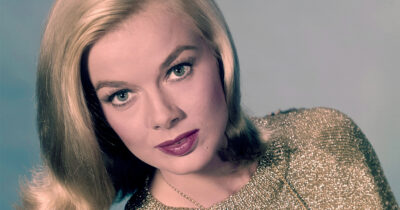
Did you know that Sharon Tate was originally chosen to play the eldest Bradley daughter, Billie Jo? She even took part in some early test footage and publicity photos, but she never actually filmed the role for the series.
The official explanation has sometimes been linked to Tate’s limited acting experience at the time. But reports have suggested there was another reason behind the decision.
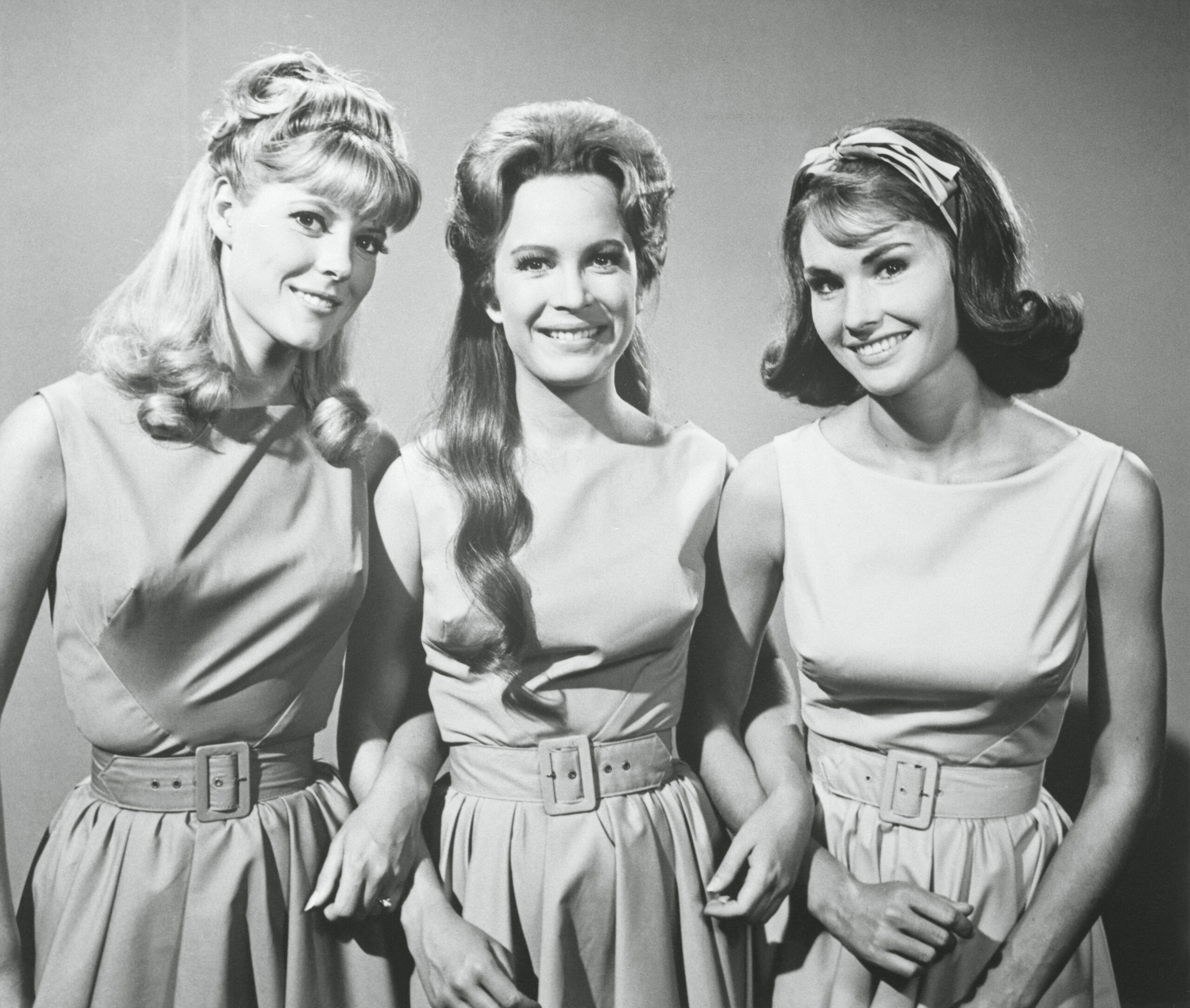
Before Petticoat Junction, Tate had posed Playboy Magazine. Since Ivory Soap was expected to be one of the show’s major sponsors, producers reportedly worried that the connection could create problems with the family-friendly image they wanted for the series.
As a result, Tate was replaced, and the role of Billie Jo went to Jeannine Riley.
The king of doing nothing
Edgar Buchanan’s Uncle Joe was famous for being “a movin’ kind of slow.” His endless schemes, shortcuts and attempts to avoid actual work became one of the show’s biggest running jokes.
And Buchanan holds a particularly impressive record: he was the only actor to appear in every single episode of Petticoat Junction.
The famous opening had a cheeky double meaning
The show’s theme included the line about “Lotsa curves,” which has been interpreted as a playful double entendre — referring both to the railroad tracks and the Bradley sisters.
For a sitcom from the early 1960s, it was surprisingly mischievous.
And there’s another little detail you might not have noticed when watching the opening — especially if you’ve only seen it in passing or looked at a still image.
The three Bradley sisters were arranged by age and hair color in a very deliberate-looking pattern: blonde, brunette, and redhead. It became their familiar visual order throughout the show, making the sisters instantly recognizable even before you knew which character was which.
The dog had a name — but you never heard it on the show
The lovable pooch in the series was called Higgins, and he appeared in an impressive 152 episodes. Yet on the show, everyone simply referred to him as “Dog.” There was even an episode titled “Higgins Come Home,” quietly revealing his real name.
One of the show’s running jokes was the constant rivalry between Uncle Joe and the dog. But there was a hilarious twist behind the scenes: whenever publicity photos were taken, Higgins would often sit right in Edgar Buchanan’s lap.
Apparently, the dog behaved better for Buchanan than he did for almost anyone else in the cast — despite their characters being rivals on screen!
And Higgins went on to become an even bigger star. His final acting role was as the title character in the 1974 movie Benji, which also happened to be Edgar Buchanan’s final film role
Bea Benaderet was fighting a battle few viewers knew about
For millions of viewers, Bea Benaderet was the warm, familiar heart of Petticoat Junction, playing Kate Bradley, the mother who kept the Shady Rest Hotel — and her three daughters — together.
But while audiences were watching Kate deal with the everyday chaos of Hooterville, Benaderet was quietly facing a devastating health battle of her own.
During a routine checkup in 1963, doctors discovered a spot on one of her lungs. At a follow-up appointment, it appeared to have disappeared, but several years later, the troubling spot returned and had grown.
Benaderet was filming the fifth season of Petticoat Junction when she underwent exploratory surgery in November 1967. Doctors discovered that the tumor could not be removed. She was diagnosed with lung cancer and began an intensive course of radiation treatment.
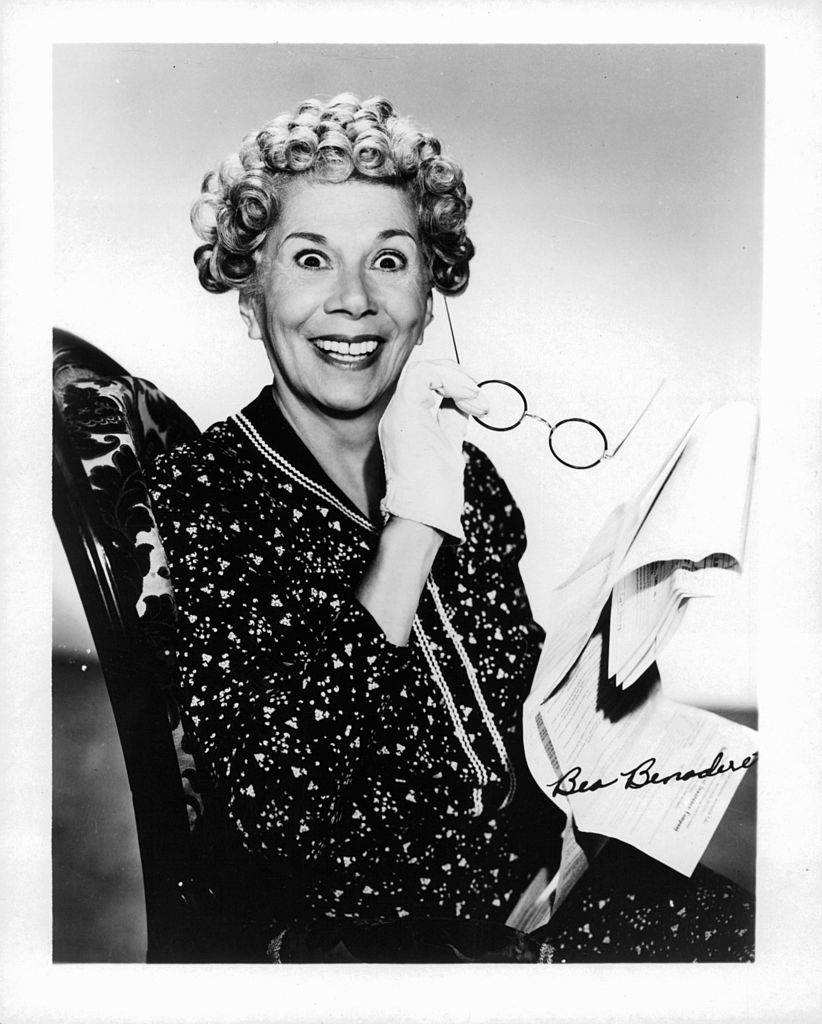
She had been a longtime smoker, but after her diagnosis and surgery, she drastically cut back and eventually quit.
Her treatment initially appeared to be successful, and she completed it in January 1968. While she recovered, Benaderet missed 10 episodes of the show.
The writers handled her absence quietly. Rather than writing Kate out permanently, they simply explained that she had gone away to visit her sister.
Meanwhile, other actresses stepped in to fill the motherly role at the Shady Rest. Rosemary DeCamp played Kate’s sister Helen, while Shirley Mitchell appeared as Kate’s cousin Mae Jennings.
There was still hope that Benaderet would recover and return.
And for a brief moment, she did.
She came back for the fifth-season finale, “Kate’s Homecoming,” giving fans the reunion they had been hoping for.
But sadly, it would not last.
Bea Benaderet’s final Petticoat Junction appearance
Five months after returning to Petticoat Junction, Bea Benaderet was forced to step away from the series again. Her health had deteriorated to the point where she could no longer continue filming.
At first, producers hoped they could still use her voice in future episodes. But her condition worsened dramatically.
Her final appearance came in the sixth-season episode “The Valley Has a Baby.” In one of the show’s most poignant behind-the-scenes details, Benaderet was too ill to appear on camera. The episode instead used her voice while a stand-in was filmed from behind.
Just weeks later, on October 13, 1968, Bea Benaderet died at Good Samaritan Hospital in Los Angeles. She was 62.
Her death left a huge hole in Petticoat Junction. June Lockhart was subsequently brought into the series as Dr. Janet Craig, becoming a new maternal presence at the Shady Rest.
But viewers never quite forgot Kate Bradley.
Despite the changes, the show continued for another two seasons before coming to an end in 1970.
And there is one final, deeply tragic twist to Benaderet’s story.
Just four days after her death, her husband, Eugene Twombly, also died. He suffered a massive heart attack at just 54 years old.
He was laid to rest beside Bea.
The sponsor problem that changed Petticoat Junction
Here’s a fascinating reminder that even in the 1960s, TV was big business — and advertisers had plenty of influence over what stayed on the air.
In 1967, Petticoat Junction lost major sponsor Procter & Gamble, which wanted to reach housewives ages 18 to 49. According to audience measurements at the time, roughly half of Petticoat Junction viewers were over 50 — making the show less attractive to the advertiser.
There was, however, a sponsor ready to step in and save the day.
Reynolds Tobacco took over much of the sponsorship of Petticoat Junction after cigarette companies could no longer sponsor The Beverly Hillbillies. Research had reportedly shown that 45% of the show’s audience was under 21, creating a problem under the advertising rules of the time.
As a result of that, Petticoat Junction was moved from Tuesday nights to Saturdays, a time when many younger viewers were out socializing rather than watching television. The result? The move helped cement the show’s reputation as entertainment primarily enjoyed by an older audience.
It’s a pretty eye-opening example of how television worked back then: having a popular show wasn’t always enough. Networks and sponsors cared just as much about who was watching as how many people were watching.
A victim of TV’s “rural purge”
After seven seasons and 222 episodes, the Hooterville gang finally said goodbye in 1970. The show became one of the casualties of the infamous “rural purge” that swept through American television around the start of the 1970s.
Networks began canceling popular series they believed appealed mainly to rural viewers and older audiences, even when those shows still had loyal fans.
Petticoat Junction wasn’t alone. Green Acres, Mayberry R.F.D., and The Andy Griffith Show spin-off Gomer Pyle, U.S.M.C. were among the other rural-themed favorites that disappeared during this major television shake-up.
READ MORE
- ‘Beverly Hillbillies’ star Buddy Ebsen lost his ‘The Wizard of Oz’ role for a horrifying reason
- Iconic Star Trek and Batman actress dies at 90