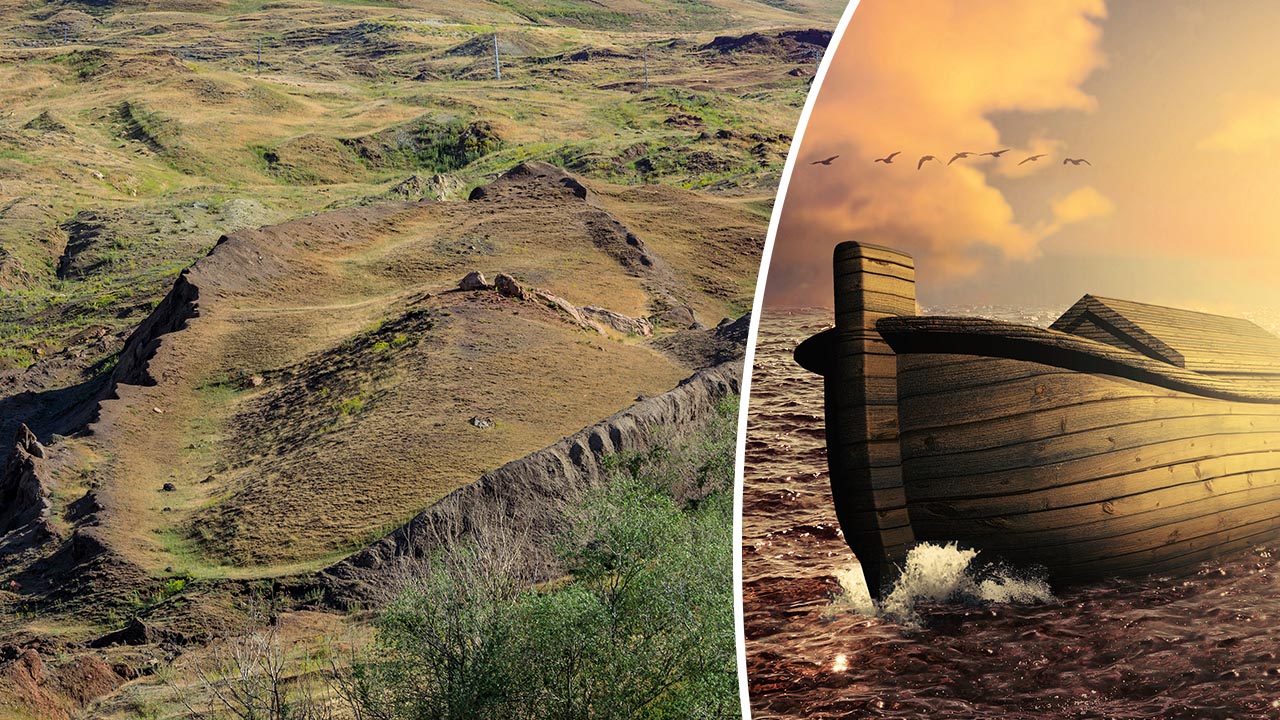
The story of Noah’s Ark is one of the Bible’s most legendary stories. For decades, a strange formation in Turkey has raised an extraordinary question: Could this really be the remains of Noah’s Ark? Now, researchers are drilling into the mysterious site in a new effort to learn what lies beneath the surface.
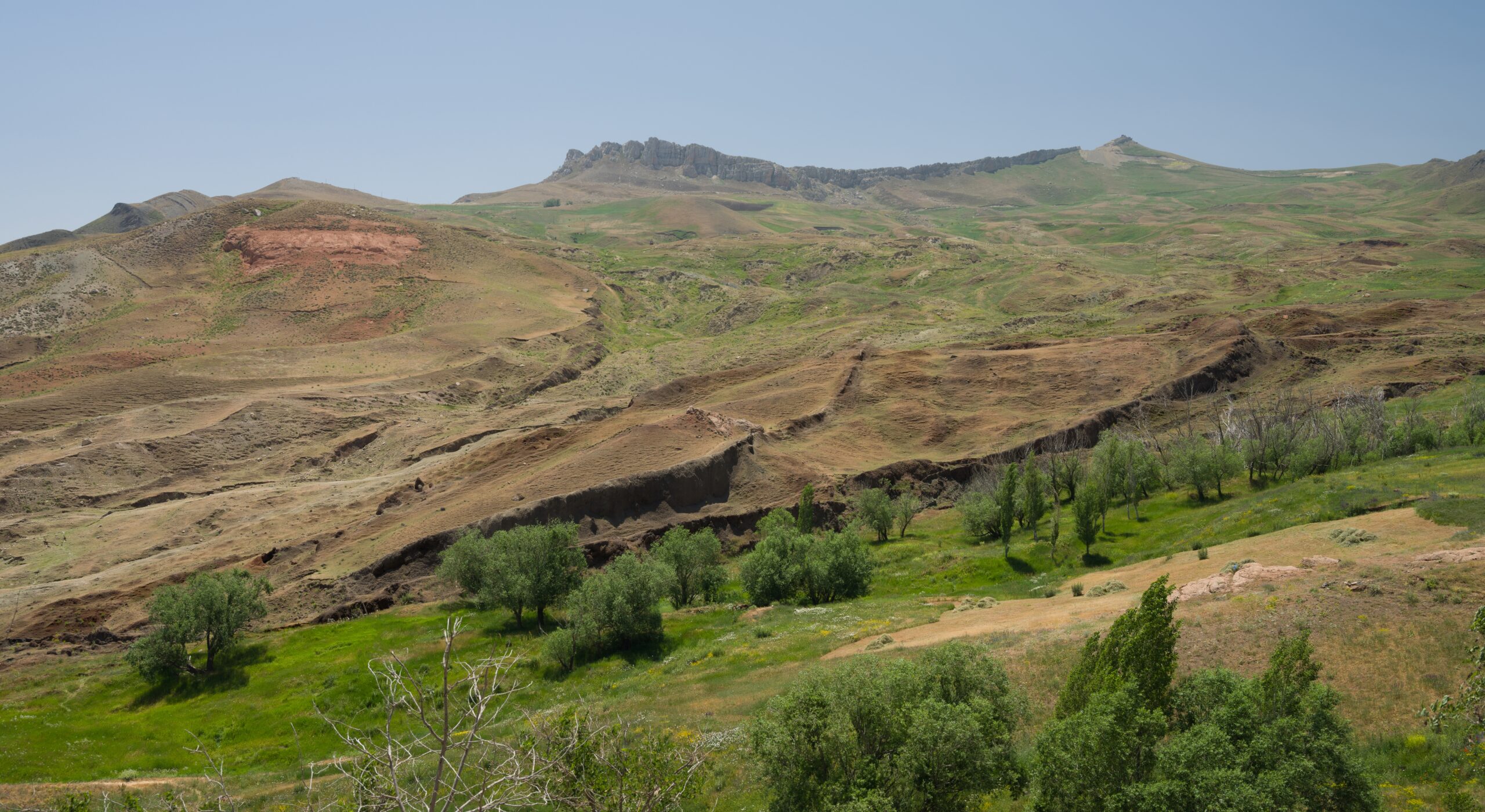
The Durupınar formation is located in eastern Turkey, near Mount Ararat. Its shape looks remarkably like a boat and was first spotted from the air in 1959 and has been linked to Noah’s Ark theories ever since.
Archaeologists and geologists from Sivas Cumhuriyet University and Noah’s Ark Scans are leading the latest research. Turkish authorities have approved the project, which uses modern tools such as ground-penetrating radar, electrical scans, LiDAR and core drilling.
Now, for the first time in decades, researchers are drilling directly into the formation. The team says it has taken core samples from depths of up to around 18 meters.
According to the researchers, some of the samples contain material rich in organic matter. The drilling has also found cavities filled with mud and water.
Earlier scans reportedly found unusual features underground, including straight lines, right angles, and long empty spaces. Some researchers believe they could resemble corridors or chambers.
The site’s size has also fueled speculation. It is about 157 meters (515 feet) long. Interestingly, supporters of the Noah’s Ark theory say that length is very similar to the measurements given in the Bible.
New excavations surrounding the ‘real’ Noah’s Ark
“We have not identified any material as ancient wood or established its age,” as “no laboratory results are in yet,” Andrew Jones, founder of Noah’s Ark Scans, said last week, per Newsweek. “In one hole inside the formation, at about 4–5 meters, the drill bit broke on a hard layer. We do not yet know what it was. Petrified or heavily mineralized wood is one possibility we want tested; a hard rock block within the surrounding debris is another.”
He added, “When I said in our release that these layers could be the decayed top-tier remains of the Ark, I was describing the hypothesis we are testing, not a finding.”
Scans carried out months ago revealed tunnels and other unusual features that some researchers say appear to line up with the dimensions of Noah’s Ark described in ancient texts. Some supporters have even claimed the site has been ‘100% confirmed’ as Noah’s Ark.
But that claim is far from settled, and it’s pretty much impossible to say this is really the Ark. Some scientists and archaeologists offer a very different explanation for what lies beneath the site.
Divided opinions
Geologists have long said that the Durupınar formation is a natural feature made of limestone and volcanic material. As of now, the belief is that natural processes shaped it over many years.
The latest drilling and laboratory tests may provide more clues, but they have not proved that the site is Noah’s Ark. As Andrew Jones mentioned, they are now studying the material recovered from the ground in greater detail, with more findings expected in 2027.
After more than 60 years of speculation, the mystery remains. But researchers hope the material being brought to the surface will finally help explain what this strange, boat-shaped formation really is.
Do you think this is the real Noah’s Ark? Please share your thoughts in the comments section.
Read more: