
Few American families have been surrounded by as many rumors, conspiracy theories and stories of tragedy as the Kennedys.
But behind all the speculation is an undeniable reality: the family has endured an extraordinary amount of loss.
And now, more than 27 years after John F. Kennedy Jr. died in a plane crash just before the turn of the millennium, haunting details are emerging about how he was found.
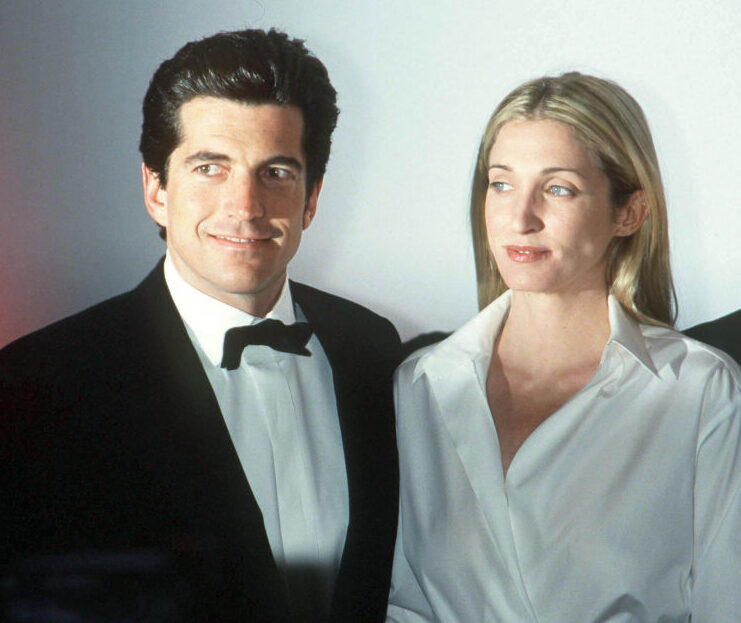
John F. Kennedy Jr., the only son of President John F. Kennedy and Jacqueline Kennedy Onassis, disappeared on the evening of July 16, 1999.
He was 38.
Kennedy was piloting his Piper Saratoga from New Jersey toward Martha’s Vineyard, where he and his passengers were traveling to Hyannis Port, Massachusetts, for the wedding of his cousin Rory Kennedy.
His wife, Carolyn Bessette Kennedy, 33, and her sister, Lauren Bessette, 34, were on board with him. One of John’s flight instructors would have flown the short distance to Cape Cod with him, but he canceled.
When the plane failed to arrive, a massive search began.
What followed became one of the most closely watched search operations in the country, as authorities desperately tried to locate the missing plane and the three people aboard.
But as the days passed without a breakthrough, hope was fading.
Coast Guard Capt. W. Russell “Russ” Webster, who served as incident commander during the search, has now revealed that by the fourth day, officials had begun discussing how they would bring the enormous operation to an end.
Then came the breakthrough they had been waiting for.
Sonar equipment detected the wreckage roughly seven miles off the southwest coast of Martha’s Vineyard, about 116 feet beneath the surface of the Atlantic.
One of the most striking details in the new account appears to contradict what was reported in the immediate aftermath of the crash.
Contemporary reports in 1999 indicated that John F. Kennedy Jr. had been found in the wreckage of his plane. But more than 27 years later, Coast Guard Capt. W. Russell “Russ” Webster, who led the search operation, is offering a different account.
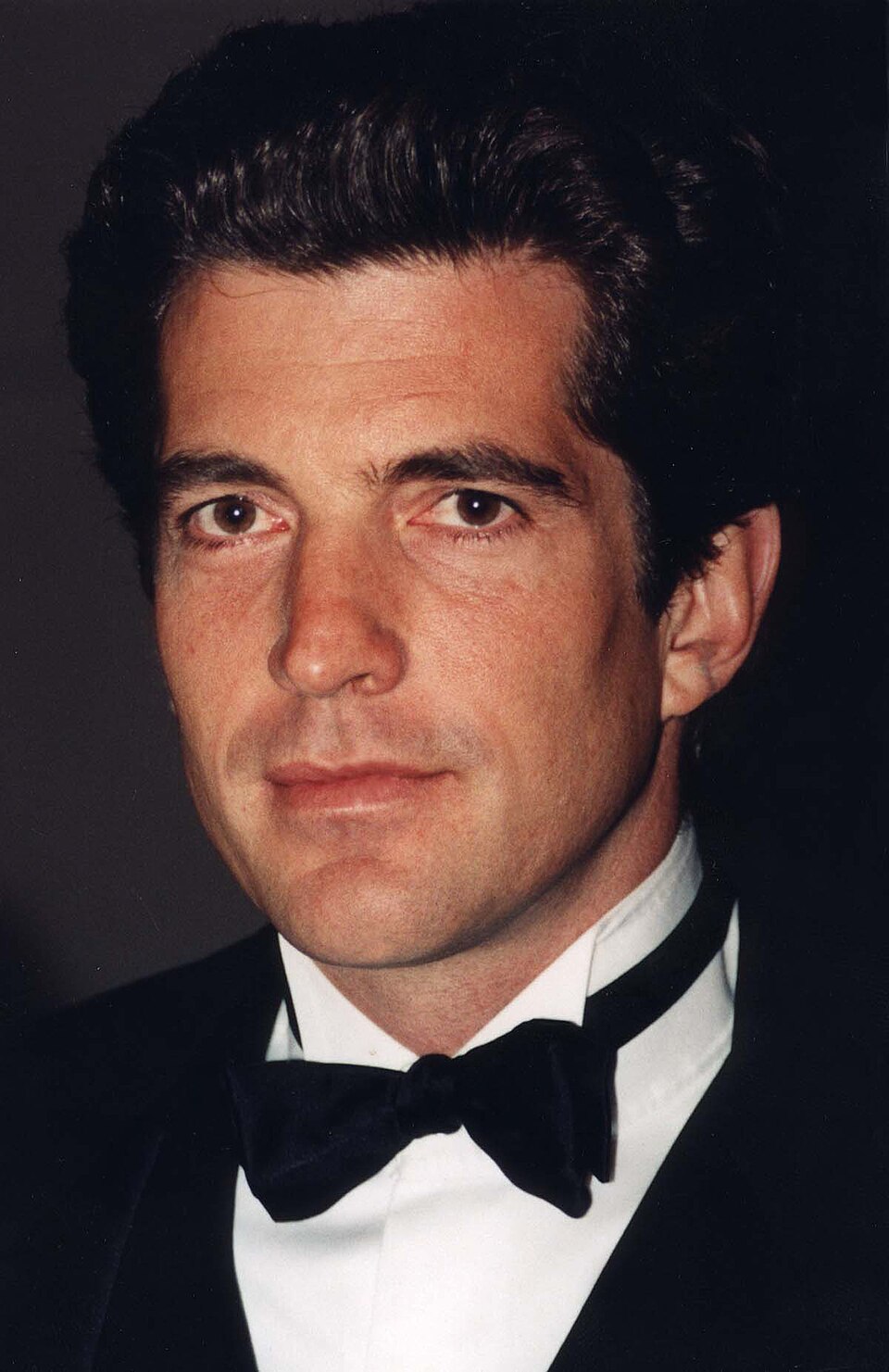
According to Webster, Kennedy was actually found outside the aircraft, roughly 10 feet from the wreckage, while Carolyn and Lauren were recovered from inside the plane.
And if Webster’s account is correct, that distinction could have made all the difference.
“John F. Kennedy Jr. was outside the aircraft, and there was a consideration that had another day passed, that in the 1.6-knot current, that he might’ve been swept away,” Webster told the New York Post.
His wife, maritime historian Theresa Mitchell Webster, summed up just how close the search may have come to a very different ending.
“They might have never found him had another day gone by.”
The recovery of the three bodies brought an end to five agonizing days of waiting for the Kennedy and Bessette families, who had been holding onto hope as search crews combed the Atlantic for their loved ones.
For years, questions have surrounded what caused Kennedy’s plane to go down that night.
Kennedy was flying under visual flight rules and had not yet completed his instrument training. Although he had flown the route between New Jersey and Martha’s Vineyard many times before, conditions that evening included haze placed high demands on the pilot.

One of Kennedy’s flight instructors had even cautioned him just 15 days before the fatal flight.
“John, you’re not ready yet for this. You need more experience with instruments,” Webster recalled the instructor telling him.
At first, however, it seemed as though everything was going according to plan.
Then, as the small plane approached Hyannis Port, John Jr. informed the tower at Martha’s Vineyard Airport that he had started to descend.
The tower waited, but no airplane could be seen.
They called the rescue service, which launched a search operation. When they found a suitcase of Carolyn’s in the Atlantic Ocean, most people realized that something terrible had happened.
Investigators ultimately concluded that Kennedy became spatially disoriented while descending over the water at night, causing him to lose control of the aircraft.
The National Transportation Safety Board determined that the probable cause was Kennedy’s failure to maintain control during a descent over water at night, with spatial disorientation contributing to the crash.

But while the cause of the accident has been examined for decades, the story of what happened during those frantic days afterward has received far less attention.
Webster and his wife have now revisited the operation in their book, The Last Flight: The Untold Story of the Search for JFK Jr. and the Race Against the Atlantic.
They spent 15 years researching the story and conducted nearly 45 interviews with people connected to the search.
Webster, who served in the Coast Guard for 26 years and participated in thousands of missions, recalled the enormous scale of the operation.
The search stretched across roughly 100 nautical miles between Cape Cod and Long Island and involved thousands of people representing at least 28 local, state and federal agencies. Webster estimated that it may have cost as much as $5 million.
At the same time, authorities were dealing with something else: the extraordinary public attention surrounding the missing son of one of America’s most famous families.
The Coast Guard reportedly received numerous strange tips and calls from people claiming to know what had happened.
Some even insisted that Kennedy and the two women were still alive.
“One was that John F. Kennedy Jr. was in an AOL chat room. People, I think, were grasping at straws,” Webster recalled.

John F. Kennedy Jr. had spent virtually his entire life in the public eye. The image of him as a small boy saluting his father’s coffin in 1963 became one of the most unforgettable photographs in American history.
Thirty-six years later, America was once again watching a Kennedy tragedy unfold.
And had the Coast Guard called off the search, and John’s body been carried away by the Atlantic currents, his family might never have had the chance to bring him home and say goodbye.
Perhaps even more hauntingly, the mystery surrounding his disappearance could have remained unsolved — leaving behind the kind of unanswered questions that would almost certainly have fueled Kennedy conspiracy theories for decades to come.
READ MORE
- Inside JFK. Jr’s fairytale romance with wife Carolyn Bessette and their well-guarded secret
- Donald Trump reveals who he thinks killed JFK