What caused the Florida Learjet crash, in which nine people lost their lives, is still not known as the investigation continues. However, now, a plane captain has spoken out about his theory surrounding the accident, saying that the pilots possibly missed a crucial detail before the fatal crash.
What caused the plane crash in Palm Springs, Florida, on Sunday that killed nine people, including a family of four, is still not known. The National Transportation Safety Board’s investigation is ongoing, and it’s unclear when it will release its findings.
Possible factors include ice, turbulence, and human error
The Learjet 60 private jet had taken off from Austin-Bergstrom International Airport in Texas and was heading for the Bahamas when something went wrong over Florida.
About ten minutes to one in the afternoon on Sunday, local time, the aircraft suddenly began losing altitude before plunging toward the ground and crashing onto a highway.
The impact triggered a massive fireball, leaving a huge crater in the road and sending debris flying across the surrounding area.
Authorities have identified the pilot as 55-year-old Jeff Gregory, and the co-pilot as 20-year-old Nathalia Gadelha Filgueira. As mentioned, the cause of the accident is not yet clear, but bad weather is one theory.
Plane captain shares details pilots may have missed before Florida crash
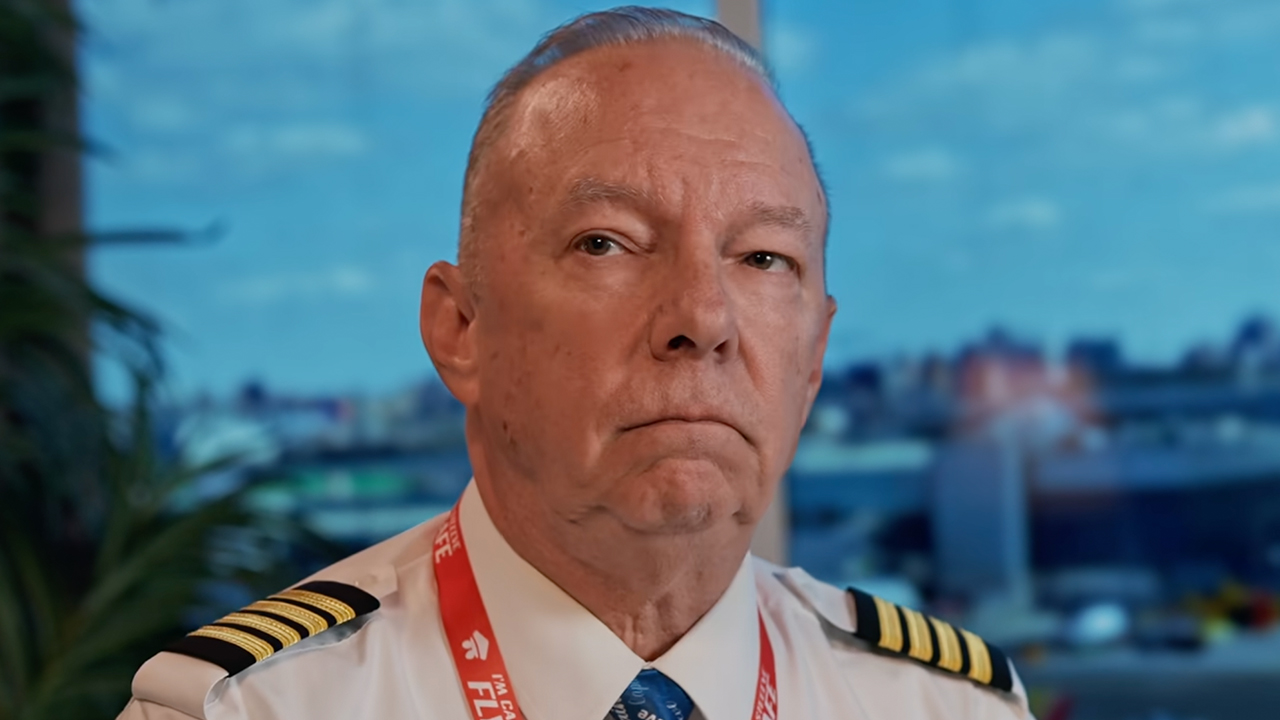
Now, an aviation expert has claimed the pilots may have missed something crucial that could have contributed to the tragedy. Captain Steeeve, an experienced pilot who has flown for American Airlines, has shared his analysis of the air traffic control (ATC) recording in a video on his YouTube channel.
In the video, he pointed to a potentially important moment when the co-pilot switched radio frequencies and checked in with a new air traffic controller.
According to the aviation expert, the aircraft may not have appeared on the controller’s radar screen yet. This could have made it harder for the controller to warn the pilots about the dangerous weather conditions ahead.
“I’m not sure he can see that thunderstorm they’re about to fly into,” Captain Steeeve said.
He then pointed to the radar footage, which appeared to show the Learjet heading directly towards an area marked in yellow and red, indicating a thunderstorm.
Investigators may uncover more information, expert says
The pilot explained that experienced pilots would normally recognize such weather on their onboard radar and change course to avoid it.
However, if the aircraft’s radar was not working properly, the situation could have been very different.
Captain Steeeve stressed that there is currently no indication that the radar system had failed, but said investigators may uncover more information as they examine the wreckage and flight data.
Moreover, the plane captain also raised concerns about the co-pilot’s description of the turbulence shortly before the disaster. In the ATC recording, she reportedly described the aircraft as being around 700 feet above or below its intended altitude.
According to the expert, that level of movement could point to extremely dangerous turbulence and a loss of control.
“If you can’t maintain altitude plus or minus 700 ft, you don’t really have full aircraft controllability,” he explained.
Severe icing ‘could’ have contributed to the disaster
He added that pilots may judge turbulence differently, but questioned whether they could still fully control the plane.
Captain Steeeve also returned to his earlier theory that severe icing could have contributed to the disaster. He explained that ice building up in the wrong places can seriously disrupt the airflow over the wings, reducing the lift needed to keep the aircraft flying.
As the airflow is disrupted, the aircraft can begin losing lift and rapidly descend. The expert believes this could help explain the terrifying sequence heard in the air traffic control recording, including the co-pilot’s Mayday call as the situation deteriorated.
He described how ice could have continued to build up until the aircraft could no longer maintain flight. However, these remain theories, and investigators have yet to establish the exact cause of the crash.
Our thoughts and prayers are with those affected by this tragedy. May they all rest in peace.
Read more: