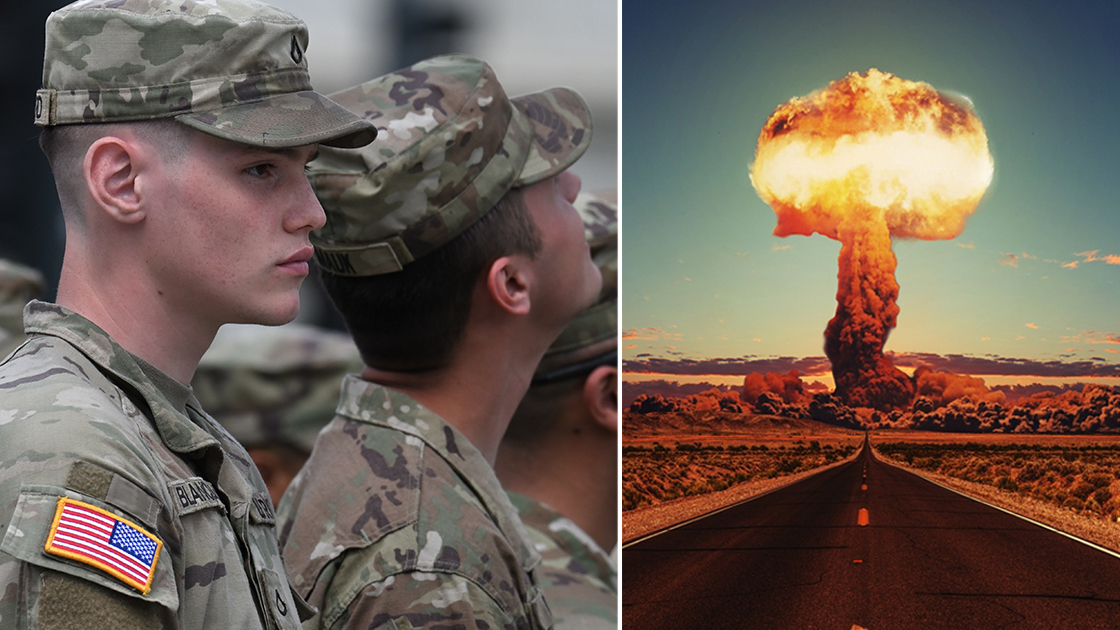
The Pentagon is preparing U.S. military bases to survive 90 days without outside support as fears grow over the possibility of a major war that could cripple America’s power grids and disrupt essential supplies.
But experts warn that if a crisis of that scale hits, five seemingly ordinary mistakes could turn a dangerous situation into a deadly one.
And many families may not even realize they’re making them.
In late October, the Pentagon announced an initiative known as FORTRESS, aimed at ensuring U.S. military forces can continue operating even if the civilian infrastructure they normally rely on is disrupted.
”We don’t want to rely on standard civilian municipal infrastructure to run our national defense. We just simply can’t. It’s an intolerable risk,” Pentagon chief spokesperson Sean Parnell told Fox News.
While the plan focuses on military installations, it has brought renewed attention to a question ordinary Americans may not have considered: what happens if the electricity goes out, essential supplies become difficult to find and emergency services are stretched thin?
A prolonged crisis could create dangerous conditions in homes across the country.
And according to safety guidance from agencies including the CDC and the U.S. Fire Administration, some seemingly harmless decisions can have deadly consequences.
Here are five mistakes families should avoid if a major emergency strikes.
1. Never run a generator inside your home
When the power goes out, a portable generator can seem like the perfect solution. It can keep essential appliances running and provide some sense of normality.
But using one inside a house, garage or other enclosed space can be fatal.
Generators produce carbon monoxide, an odorless and colorless gas that can cause sudden illness and death. The CDC warns that generators should be kept outdoors, at least 20 feet away from doors, windows and vents, with exhaust directed away from the home.
A working carbon monoxide detector can also help protect everyone inside.
2. Don’t bring a barbecue or camping stove indoors
If the power is out and there is no way to cook, bringing a barbecue or camping stove inside might seem like a practical solution.
It isn’t.
Charcoal grills, propane grills and camping stoves can release dangerous levels of carbon monoxide. Opening a window does not make it safe to use these devices indoors.
The same warning applies to garages, basements and other enclosed spaces. Cooking equipment designed for outdoor use should stay outside, well away from doors and windows.
3. Never use your gas oven to heat the house
A home without heating can become uncomfortable quickly, especially during colder months.
But using a gas oven or stove to warm up a room is another dangerous shortcut that can expose your family to carbon monoxide.
The U.S. Environmental Protection Agency warns against using gas ovens and other combustion appliances to heat homes during power outages.
Instead, gather everyone in one room, close doors to unused spaces and use warm clothing and blankets to conserve heat.
4. Don’t rely on candles when the lights go out
Candles may seem like an obvious choice during a blackout, but they introduce another danger when families are already dealing with an emergency.
A candle can easily be knocked over, particularly in a busy household with children or pets. If it comes into contact with curtains, furniture or other flammable materials, a small accident can quickly become a serious fire.
The U.S. Fire Administration recommends using flashlights rather than candles during power outages. Battery-powered lanterns are another safer option.
If you do use candles, never leave them unattended and keep them well away from anything that could catch fire.
5. Don’t ignore evacuation or shelter instructions
In a major emergency, knowing when to leave can be just as important as knowing when to stay.
Some situations require people to evacuate immediately. In others, authorities may instruct residents to remain indoors and shelter in place.
Ignoring official instructions or waiting too long to act could put your family in danger.
Make sure everyone in your household knows where to go, how to communicate and what to do if you are separated. Keep an eye on official alerts and have an emergency plan ready before a crisis happens.
A little preparation could make a big difference
The Pentagon’s FORTRESS initiative is focused on military readiness, not a government order for American families to prepare for 90 days without outside help. Nor does the plan mean that a major war is imminent.
But the possibility of prolonged power outages, disrupted supply chains and other emergencies highlights why basic preparedness matters.
And while stocking up on supplies is important, knowing how to avoid dangerous mistakes could be just as crucial.
In a crisis, the wrong decision can have consequences far beyond a temporary inconvenience. Sometimes, knowing what not to do can save a life.
READ MORE