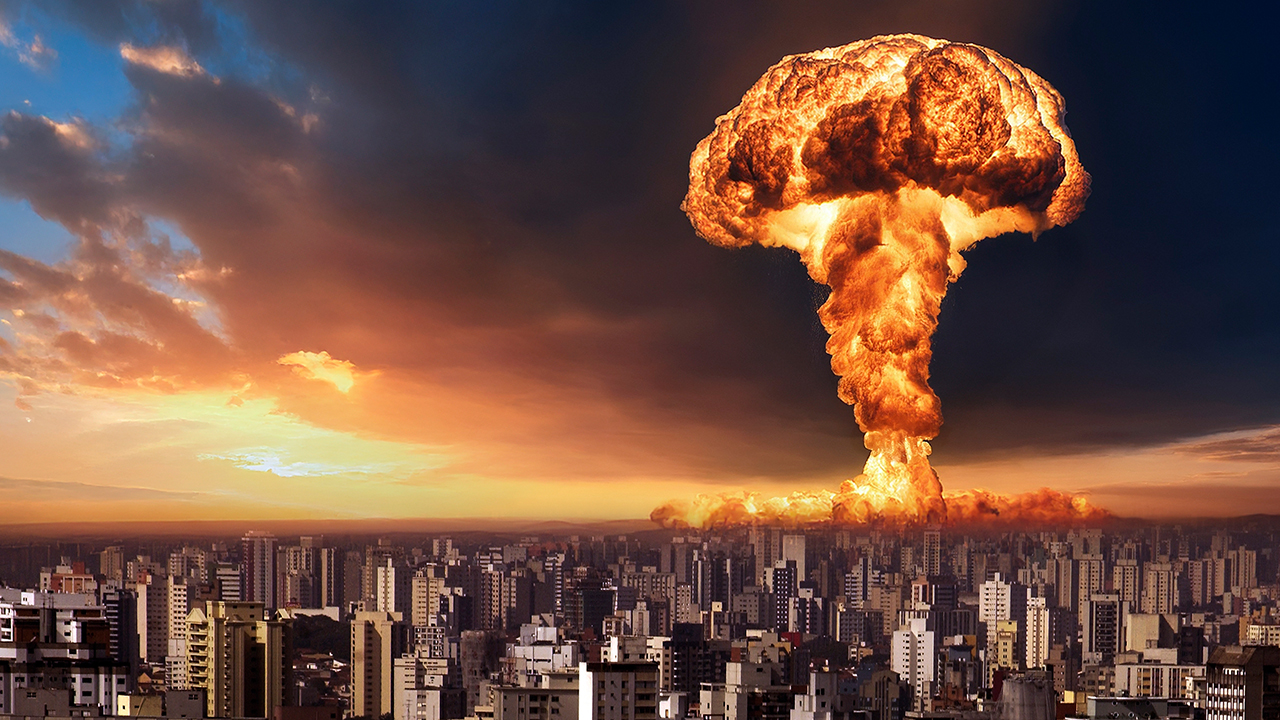
People worldwide are concerned about the state of the world today. With climate change, national crises, and even wars, things seem more uncertain than they have been in many, many years. Now, countries are preparing for a potential emergency scenario known as ‘phase black’, and people are being urged to think about what they have at home.
Although nothing bad might happen, it’s always a good idea to be prepared for a possible emergency. In fact, governments in 31 countries have already advised citizens to keep supplies at home.
The warnings have been issued as concerns are raised about several threats, including cyberattacks, war, extreme weather, and power outages that could suddenly disrupt everyday life.
It’s linked to what is known as the “Phase Black” scenario. Basically, it translates to an extreme emergency in which food and electricity could be affected.
Countries that have urged people to take action include the U.S., Australia, and the UK. So, what should you actually have at home if the worst happens?
Basically, homes should have enough basic supplies to survive for at least three days without normal access to electricity, water, or other services.
The British Red Cross has provided a list of items that could make a big difference during an emergency, some of which are critical.
What to include in an emergency kit as countries prepare for ‘phase black’
Some of the most important items are things many people already have but might not think to keep in an emergency kit.
The recommended list includes:
- Drinking water for three days
- Long-lasting food that does not require refrigeration
- A flashlight and spare batteries
- A battery-powered or wind-up radio
- A mobile phone charger and portable power bank
- Cash for essential purchases
- Essential medication and copies of prescriptions
- A basic first aid kit
- Hand sanitizer and wet wipes
- A tin opener
- Copies of important documents in a waterproof bag
- Paper copies of important phone numbers
- Spare house and car keys
- Pen and paper
Other useful items include blankets, sleeping bags, warm clothing, waterproof bags, a whistle and duct tape. The British Red Cross also states the importance of preparing for everyone in your household.
The Red Cross also reminds families that those with babies may need supplies such as diapers, formula, milk and bottles, while pet owners should consider food, harnesses and waste bags.
According to a list shared by Newsweek, 31 countries have shared guidance encouraging people to keep emergency food and essential gear nearby.
Full list of countries
The full list of countries includes:
Argentina, Australia, Austria, Brazil, Canada, Chile, Colombia, Croatia, Czech Republic, Denmark, Estonia, Finland, France, Germany, India, Ireland, Israel, Japan, Latvia, Lithuania, the Netherlands, New Zealand, Norway, the Philippines, Poland, South Africa, Spain, Sweden, Switzerland, the United Kingdom and the United States.
It’s important to remember that recommendations differ by country, depending on the risks they face.
Thoughts on this? Please share your opinion in the comment section.
Read more: