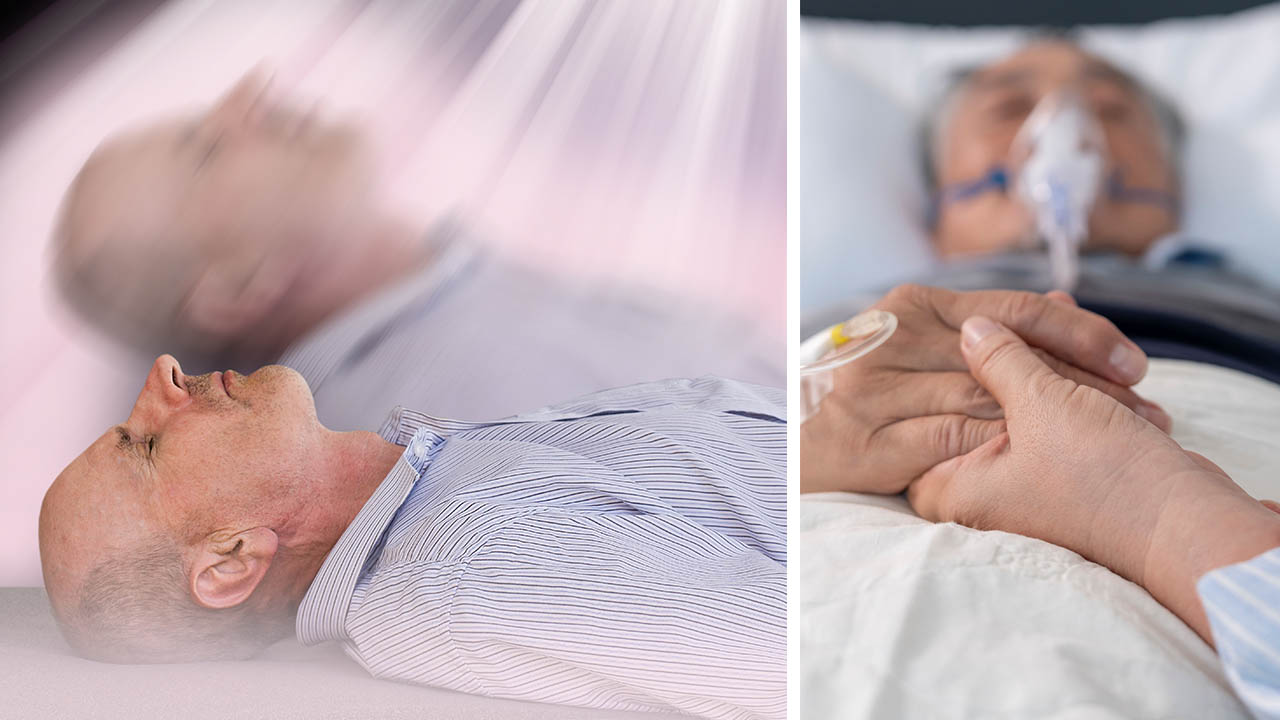
Hospice nurses spend their days caring for people in some of the most difficult moments of their lives. And over the years, some say they have noticed something that happens again and again near the end of life. According to hospice worker Neal K. Shah, patients often say one word in their final hours.
Death is something most people would rather not think about. But for hospice nurses, it is part of their everyday work.
They spend their days caring for people in the final stage of their lives, offering comfort not only to their patients but also to worried and grieving families. For those who have experienced hospice care with a loved one, the nurses often become a source of immense support during what, of course, is an incredibly difficult time.
And after spending years at the bedside of dying patients, one hospice nurse has now revealed a word that comes up time after time in their final moments.
Neal K. Shah, co-founder and CEO of CareYaya Health, wants the world to know more about hospice care and what really happens. He regularly speaks about his experience working with hospice patients, which is useful not only to other caregivers, but also to older adults or those caring for family members with serious illness or dementia.
In a Facebook video, Shah said, “There’s one word that hospice nurses hear again and again in a person’s final 24 hours. And once you learn what it is, it stays with you forever.”
The word? Mum.
A decade-long study by neurobiologist Dr. Christopher Kerr followed more than 1,400 patients in New York during the final stages of their lives. Researchers found that more than 80% experienced vivid dreams or visions that brought them comfort.
Hospice nurses share word they often hear just 24 hours before someone dies
However, there was one striking detail: many patients reached for the parent who had raised them, most often their mother, even when she had been gone for decades.
“And I’m talking about even patients who are in their 90s. Even patients whose mothers had died more than 50 years earlier,” Shah continued.
He went on to add what he thought might explain it.
“Here’s what I think’s going on as the body shuts down. The oldest and most primitive parts of the brain are often the last to fade. And the wiring for mother, the first face that you ever loved, the first voice that ever calmed you, is buried in that deep layer. So, the dying brain reaches back for the very first safe place that it ever knew.”

Neal K. Shah continued, “Here’s three things family should know because sometimes nobody warns you about this. First, if your parent or loved one starts calling for their own mother in their final moments, or reaching towards someone you can’t see, they aren’t confused. They might be gently transitioning.
“You are doing the most important work that any human being can do”
Shah concluded that he believes it’s “sacred” and nothing to “fear.” Finally, he gave a tip: Don’t correct them.”
“Don’t tell them grandma’s been gone for 30 years. Just say, “I’m so glad she’s here with you.” You’re not lying, but you’re actually loving them through it. And third, if you’re the one at their side, you are doing the most important work that any human being can do,” Shah said in the Facebook video.
Please share this article with someone you think could benefit from knowing this, or perhaps go through it with a family member.
Read more: