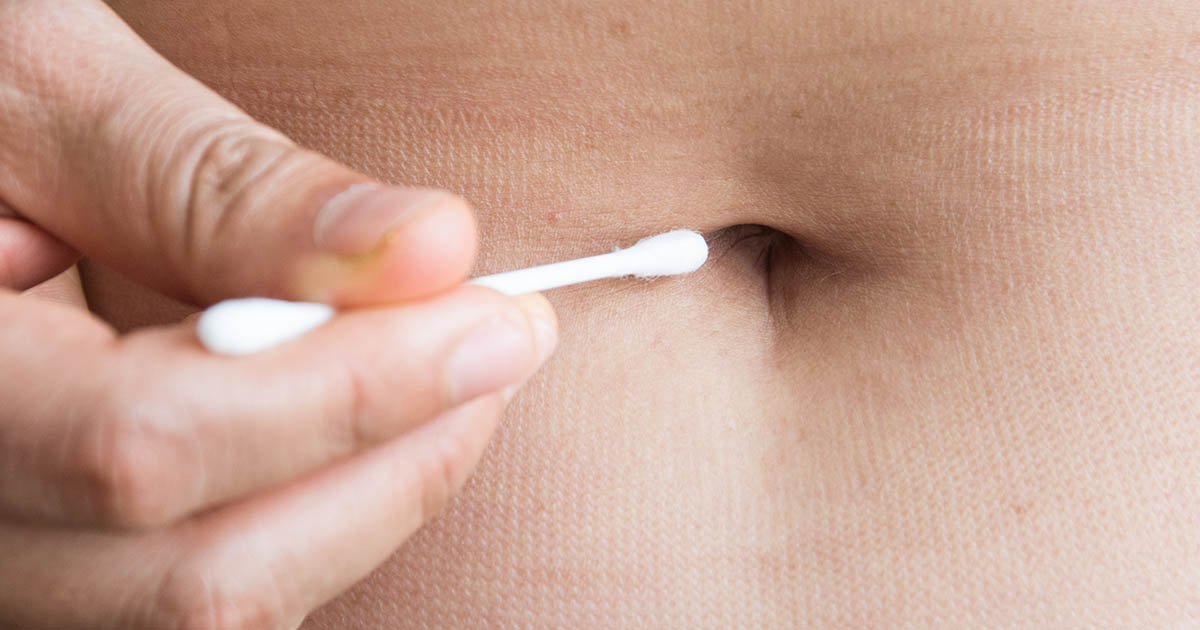
The belly button isn’t something you might think about every day. However, it could become a serious issue if you don’t address it properly. Now, experts are sharing signs that should serve as an alarm that something might be wrong. It has to do with the smell.
A smelly belly button might seem like nothing more than an embarrassing problem. While speaking about having a headache might be easy, it’s not that common that you might stumble into a conversation about your belly button with either family members or colleagues at work.
With that said, the belly button and its smell are something doctors now say can be caused by health issues. And there are several reasons behind it.
So what can cause the smell, and how do you actually take care of your belly button the right way? According to Dr. Abbas Kanani, a pharmacist at Chemist Click, the reason behind a smelly belly button is often surprisingly simple.
“An unpleasant smell coming from your belly button is usually caused by something relatively minor, such as a build-up of sweat, dead skin cells, body oils, lint or bacteria in the area,” he told Tyla.
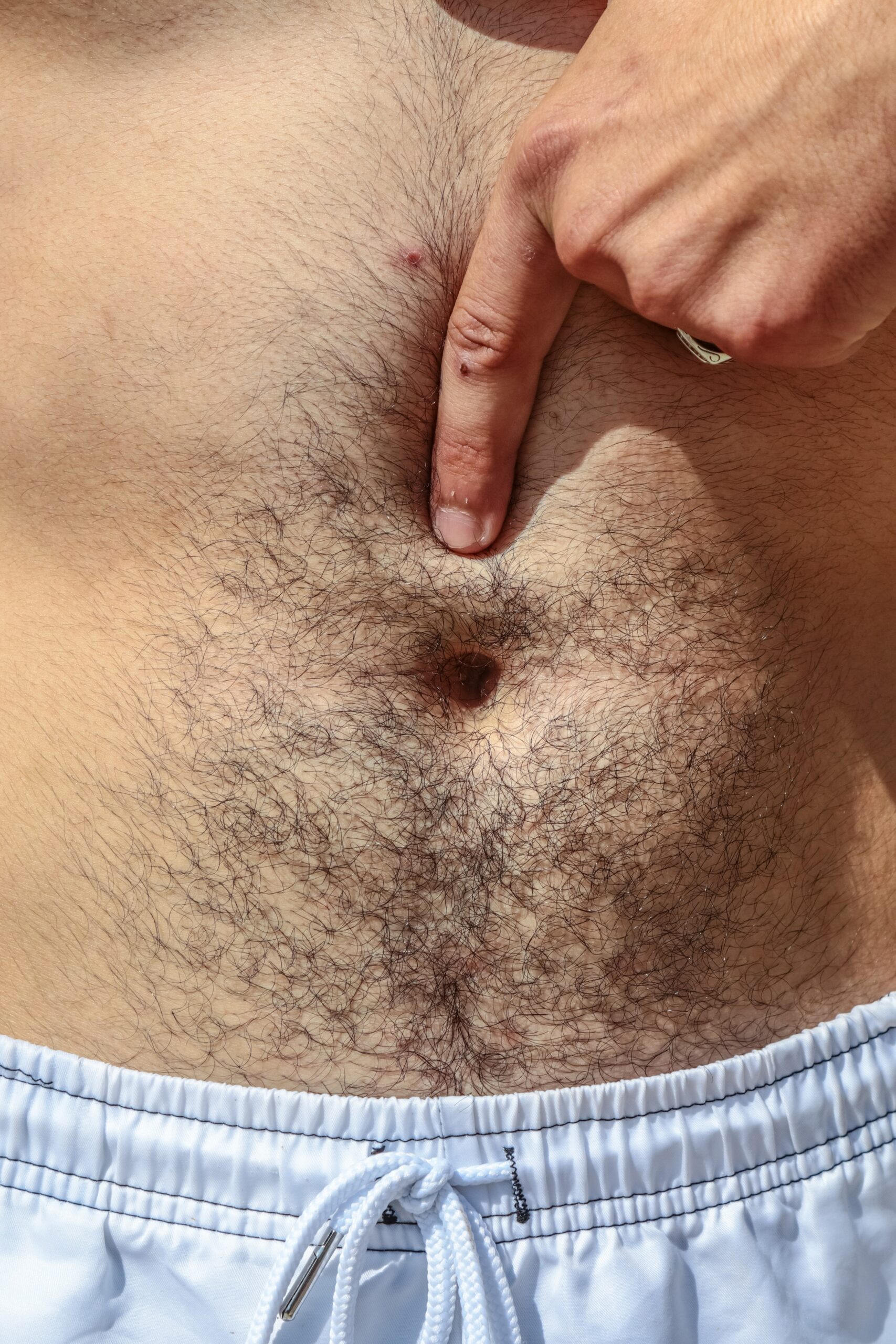
Even if you shower regularly, it’s easy to miss this small area — especially if you have an “innie” belly button. Dr. Nikki Ramskill, a GP and founder of The Female Health Doctor clinic, says the belly button is essentially a small fold of skin where debris can collect.
Reasons behind a smelly belly button
Therefore, hot weather and exercise can worsen the problem, while tight clothing or a deeper belly button may also increase the likelihood of buildup.
Further, there’s another reason the smell can become noticeable. Because the belly button can be warm, deep, and moist, it can provide an ideal environment for bacteria and yeast to grow. The result? That unpleasant smell you may have noticed and perhaps wondered where on earth it came from.
However, sometimes a bad smell from your belly button may be more than just a little buildup. Doctors are now warning that a particularly strong or foul odor, especially with discharge, could be a sign of an infection.
You could get a bacterial or fungal infection, in which Candida yeast can thrive in warm, moist areas.
Speaking with Tyla, Dr. Ramskill says there are several warning signs to watch for. These can include redness, itching, soreness, swelling, crusting or discharge around the belly button.
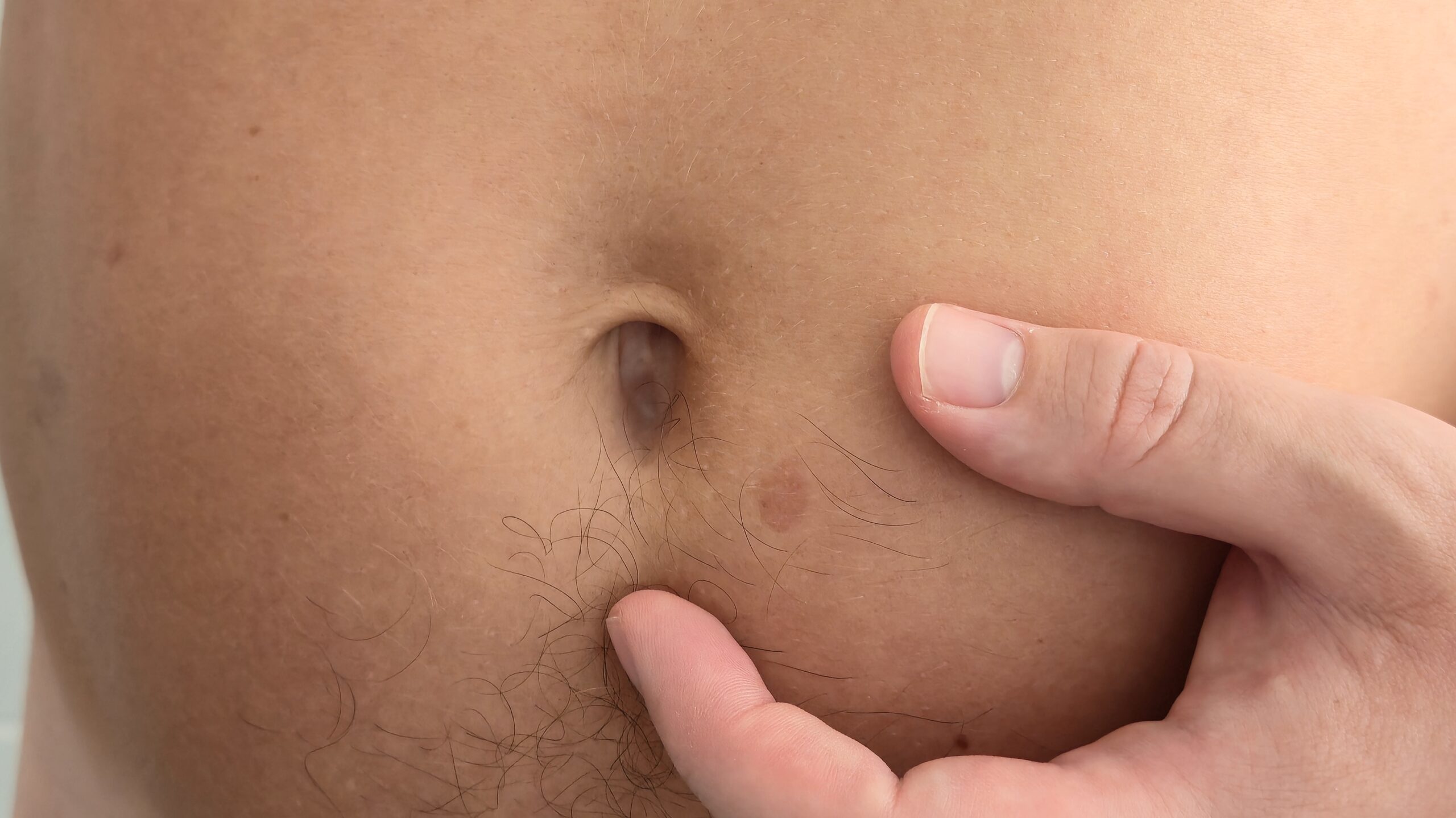
Dr. Ashrafi, a GP at Superdrug Online Doctor, explained that the smell itself can also give you a clue about what may be happening. People may describe it as musty, sour or even slightly cheesy, depending on the cause.
How to clean your belly button
And there’s another surprising possibility: a navel stone, medically known as an omphalolith. Dr. Naheed Ali, MD, PhD, explained that these are made from compacted keratin and natural skin oils that can become trapped deep inside the belly button.
The good news is that they are usually harmless. However, they can sometimes become irritated or infected. In rarer cases, an infected cyst can cause a persistent odor and drainage.
Doctors also pointed to something called a urachal abnormality — an unusual tract left over from development before birth — which can also cause ongoing discharge and an unpleasant odor.
So while a smelly belly button is often nothing serious, persistent smell, pain, or discharge shouldn’t simply be ignored. But still, there is one great way to reduce the risk: to keep the belly button clean.

“To clean your belly button, gently wash the area with warm water and a mild, fragrance-free soap,” Dr. Abbas Kanani told Tyla. “Use your fingertips or a soft washcloth rather than scrubbing aggressively, as this can irritate the delicate skin.”
These warning signs are important to know
If you have a deeper belly button, don’t just wash around it – make sure you gently clean inside it, too. But there’s another step that may be just as important as cleaning it. That is making sure it’s completely dry.
The good news is that a smelly belly button is usually nothing to worry about.
If the smell goes away after you wash and dry the area, there is often no reason to panic. But some signs should not be ignored.
Dr Kanani says you should see a healthcare professional if the area becomes red, swollen, painful or hot. You should also get it checked if it starts bleeding or has pus or fluid that does not go away.
A fever, feeling sick or weak, or redness that spreads around the belly button could be a sign of an infection that needs medical attention.
Skin that feels unusually warm, redness that appears to be spreading, worsening pain, or feeling generally unwell can also indicate an infection that needs medical attention,” Dr Ashrafi told Tyla.
While a little smell can be harmless, ongoing symptoms are worth getting checked out. Please share this article to spread awareness of the belly button and the health risks it can have if you don’t keep it clean.
READ MORE
- 27-year-old diagnosed with ALS shares terrifying first symptoms everyone should know
- ‘Pheromone-maxxing’ explained as a growing Gen Z dating trend is something parents should be wary of