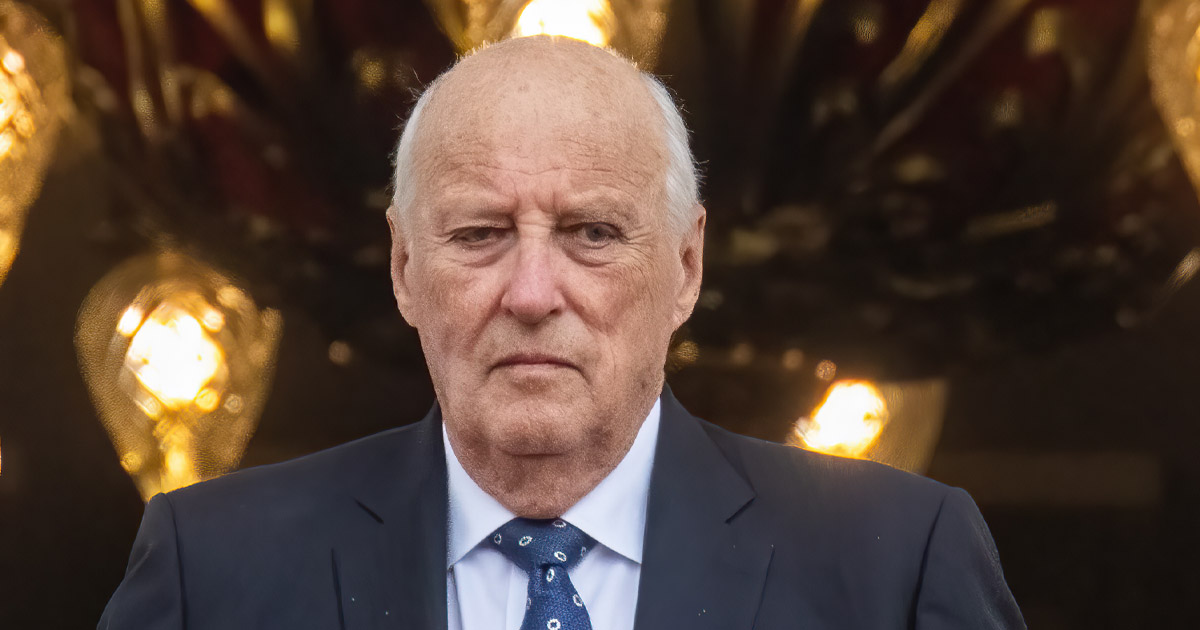
King Harald of Norway has died at the age of 89, after weeks of being treated with steroids for hemolytic anemia. The condition is a blood disorder, and here are some key symptoms to look out for.
The Norwegian royal family confirmed King Harald’s death on Friday. He passed away peacefully at the hospital in Oslo.
“It is with great sadness that we announce that His Majesty King Harald has passed away today. King Harald passed away peacefully at Rikshospitalet on Friday, August 28, at 6:35 a.m.,” the Norwegian royal family wrote in a statement.
His death comes after a difficult period marked by serious health problems for the Norwegian King.
King Harald of Norway dead 89
On August 17, he was reportedly admitted to the hospital following a medical examination. He had been treated with steroids for a few weeks for hemolytic anemia. The royal family later confirmed that he was treated with antibiotics for an infection caused by bacteria in his blood.
On Thursday, August 27, his condition had taken a serious turn.
“The king’s health condition is very serious,” the royal family announced.
King Harald’s health struggles have brought renewed attention to the condition he had been receiving treatment for. According to Cleveland Clinic, “Hemolytic anemia is a blood disorder that makes your red blood cells break down or die faster than your body can replace them with new blood cells.
People may develop hemolytic anemia due to genetic conditions that cause anemia. Sometimes, people have mild hemolytic anemia symptoms that go away after treatment. Many times, healthcare providers can cure hemolytic anemia after finding out what caused the condition. Left untreated, however, severe hemolytic anemia can cause serious heart trouble.”
Symptoms of hemolytic anemia
According to Johns Hopkins Medicine, the disorder can be either inherited or acquired. While symptoms may vary, some of the most common ones to look out for include:
- Abnormal paleness or lack of color of the skin
- Yellowish skin, eyes, and mouth (jaundice)
- Dark-colored urine
- Fever
- Weakness
- Dizziness
- Confusion
- Can’t handle physical activity
- Enlarged spleen and liver
- Increased heart rate (tachycardia)
- Heart murmur
Treatment can include blood transfusions, corticosteroids, and medication. However, if left untreated, the condition can lead to serious heart problems, including arrhythmia, cardiomyopathy and heart failure.
For King Harald, the condition was part of a difficult period of declining health that ultimately led to his death. Now, Norway is mourning a beloved monarch who served his country for more than three decades, as the royal family prepares to say a final farewell to the king who had been a familiar presence in Norwegian life for so many years.
READ MORE
- Dolly Parton’s ever-present long sleeves hid a more personal story than many realized
- New details emerge about Dolly Parton’s secret hospital visit just days before her death