On September 11, 2001, firefighters in New York did what they had been trained to do: they ran toward the danger.
As smoke and flames consumed the World Trade Center, ordinary men in heavy gear began climbing floor after floor, carrying equipment, helping injured civilians and searching for people who were still trapped inside.
For many of them, there would be no way back.
The United States and people around the world are preparing to mark the emotional 25th anniversary of the September 11 attacks. 343 FDNY rescue workers were killed that morning, including 341 firefighters and two paramedics.
In recent days, videos featuring some of the final FDNY radio communications from inside the South Tower have once again been spreading widely across social media, introducing a new generation to voices that were recorded in the final minutes before the building collapsed.
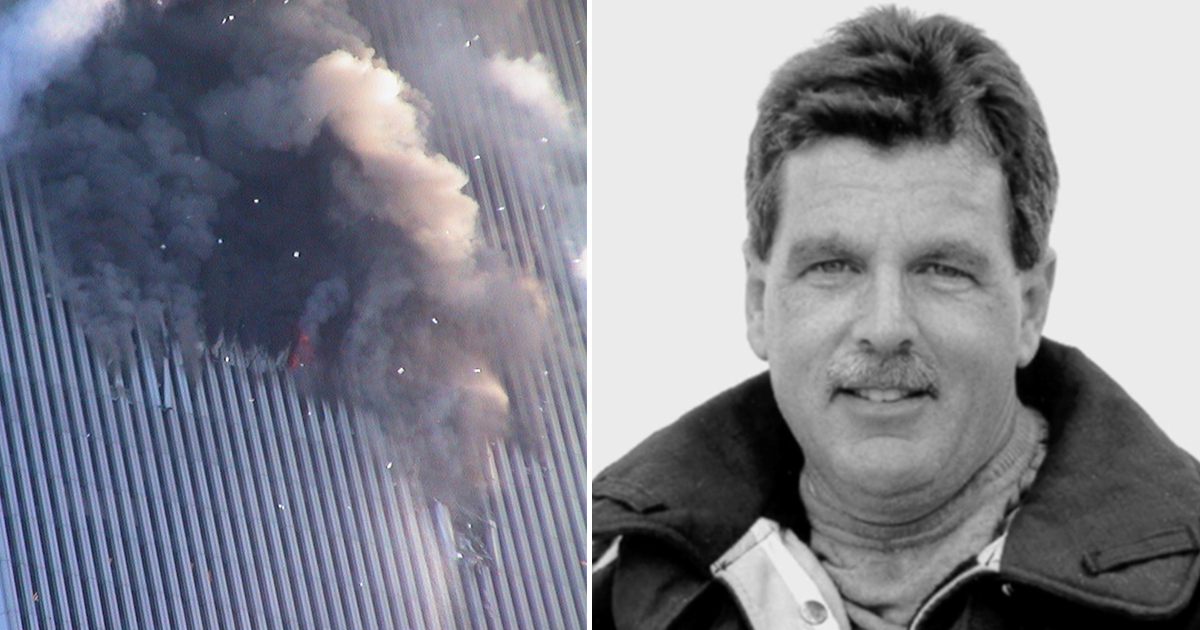
Among those voices was Battalion Chief Orio Palmer, 45.
Palmer had climbed extraordinarily high into the South Tower. Radio recordings later revealed that he and others reached the 78th floor — the impact zone where United Airlines Flight 175 had struck the building. The recordings showed just how far firefighters had gone into the tower in an attempt to reach people above them.
At one point, Palmer reported the grim reality around him:
“78th floor numerous 10-45 Code Ones.”
In FDNY terminology, “10-45 Code One” indicated a deceased person.
Yet even then, the mission continued.
Palmer and members of Ladder 15 were still trying to make their way upward. Lieutenant Joseph Leavey and his firefighters were coming toward him, while others were working to reach civilians and trapped people inside the tower.
Palmer reported that they had access to stairs leading higher:
“We have access stairs going up to 79, K.”
A firefighter from Ladder 15 responded:
“Alright I’m on my way up, Orio.”
Another Ladder 15 firefighter reported being trapped in an elevator shaft:
“We’re chopping through the wall to get out.”
But the radio signal soon disappeared.
At 9:59 a.m., the South Tower collapsed.
Palmer, Leavey, Geraghty and hundreds of other FDNY members inside or around the tower were killed.
The voices were almost lost forever
For several years, much of what happened inside the towers remained unknown.
The FDNY radio recordings existed, but they were initially not available to the public. The recordings were ultimately made public in 2005 after a Freedom of Information Act lawsuit brought by The New York Times and families of firefighters killed on 9/11.
For the first time, the public could hear the voices of firefighters as they moved through the burning towers. And among those voices was Orio Palmer.
The recordings revealed that Palmer and Fire Marshal Ronald Bucca had reached the 78th floor of the South Tower — farther into the tower than had previously been understood.
His voice remains remarkably composed.
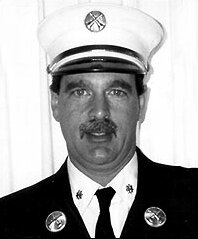
He sounds like a chief doing what chiefs do: assessing the situation, directing firefighters and trying to get people out.
Then the building collapsed.
The radio traffic outside changed almost instantly.
A transmission came through:
“Tower Two has had a major explosion and what appears to be a complete collapse!”
Then, amid the chaos, another desperate voice:
“Have them mobilize the Army! We need the Army in Manhattan.”
Those words capture the sheer scale of what had just happened.
Why these voices matter
The 9/11 attacks changed the lives of millions of people, but for the firefighters and other responders who survived, the consequences continued long after the smoke cleared.
Studies have documented lasting respiratory and mental-health effects among those exposed at the World Trade Center, while continued medical monitoring and treatment remain necessary decades later.
That is why these voices matter.
They allow us to hear, for a few moments, the people behind the uniforms.
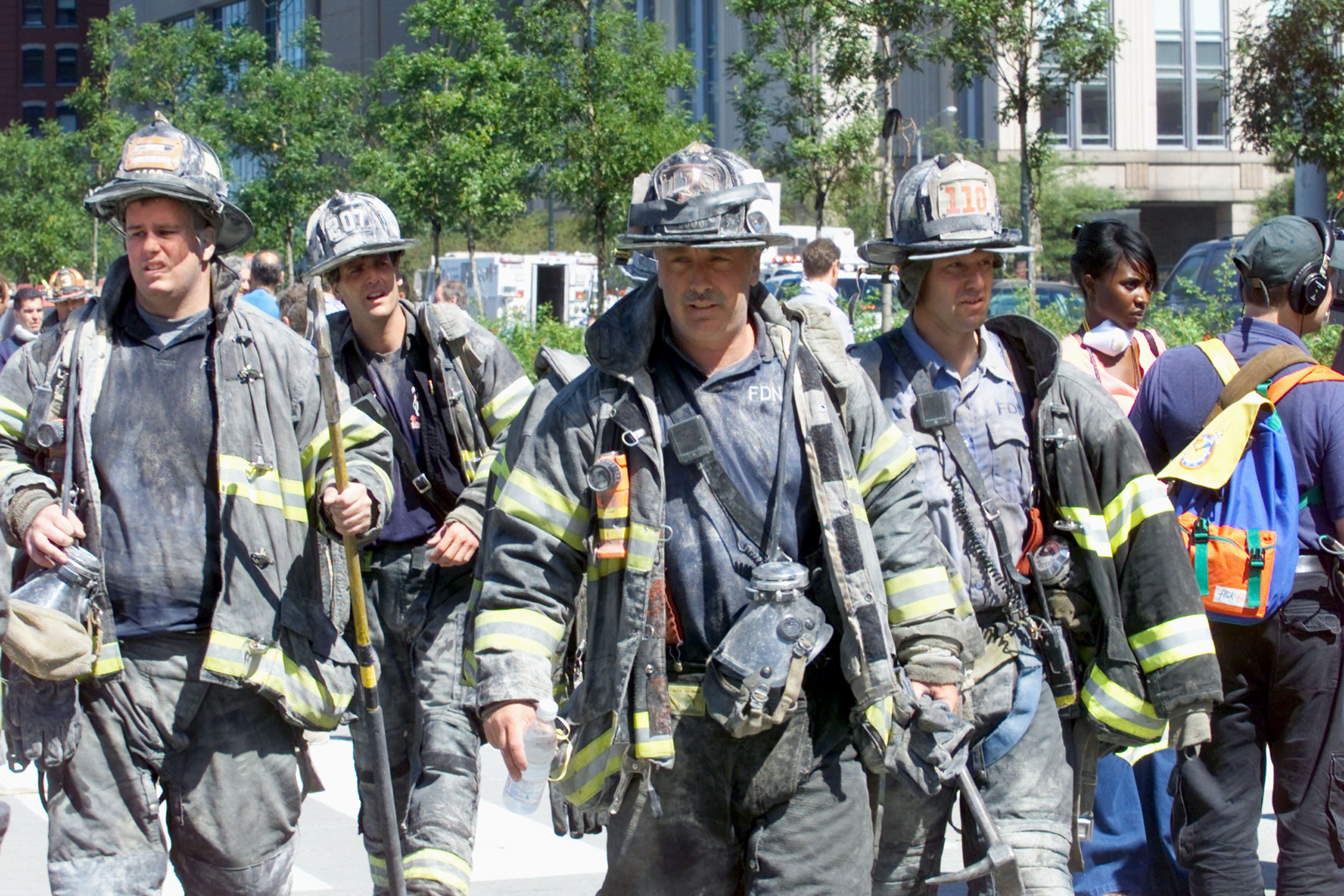
To hear their calm voices.
Their urgency.
Their determination.
And finally, their silence.
Twenty-five years later, we remember every firefighter who climbed upward when others were trying to escape — and every family who has carried the weight of that morning ever since.
We will never forget.
READ MORE
- Officer who survived 9/11 after 13 hours under rubble reveals the three words that broke him when he was pulled out
- The heartbreaking story of 9/11 ‘Dust Lady’ Marcy Borders, who died 14 years after the terror attacks