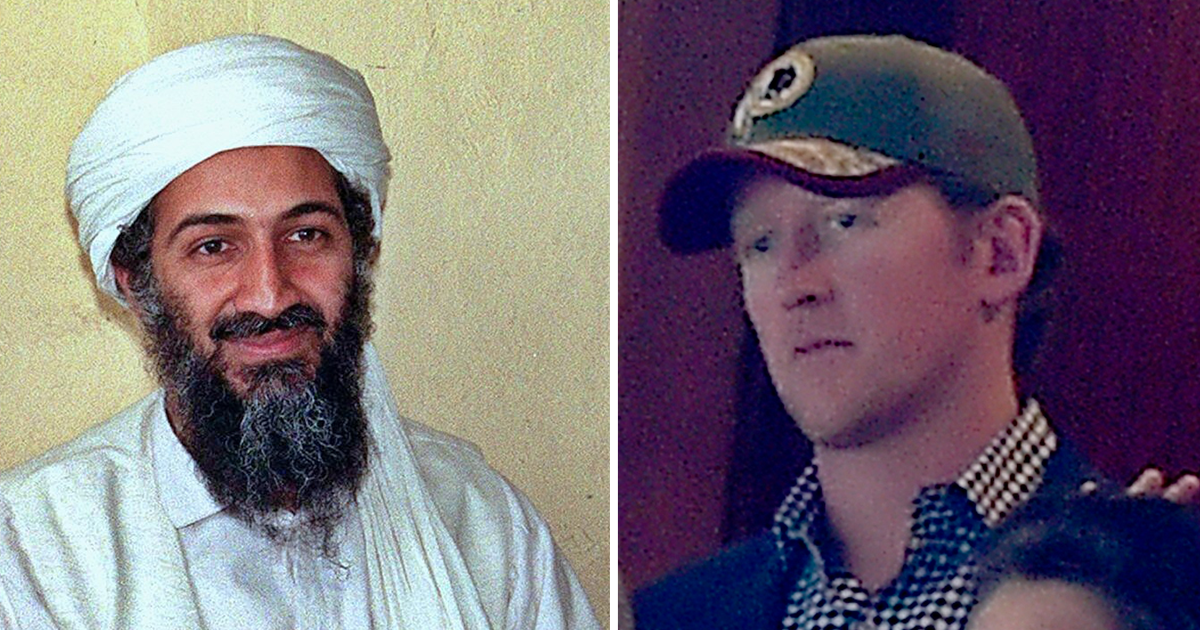
For more than a decade, one question has continued to fuel debate, conspiracy theories, and endless online speculation: What really happened to Osama bin Laden’s body after the raid that ended his life?
One former Navy SEAL has never shied away from discussing his role in the raid that killed Osama bin Laden.
Years after the historic mission, his latest remarks are once again fueling debate about one of its most controversial unanswered questions.
More than 15 years after Osama bin Laden’s death, public fascination with the mission that brought down the al-Qaeda leader remains as strong as ever. Interest in the operation surged again last year following the release of Netflix’s American Manhunt: Osama bin Laden, which explored the aftermath of 9/11 and the years-long effort to track down the world’s most wanted terrorist.
Bin Laden was killed on May 2, 2011, during Operation Neptune Spear, when members of SEAL Team Six stormed a compound in Abbottabad, Pakistan.
While the raid itself has been extensively documented, questions surrounding what happened afterward have never fully gone away.
The man who says he pulled the trigger
The U.S. government has never officially identified the person who fired the fatal shot that killed bin Laden.
However, retired Navy SEAL Robert O’Neill has repeatedly claimed that he was the one who ended the terrorist leader’s life. O’Neill, who appears prominently in the Netflix documentary, is one of several former SEALs who have publicly discussed the mission.
Another former SEAL, Matt Bissonnette, also shared his account of the operation in his 2012 book No Easy Day: The Firsthand Account of the Mission that Killed Osama bin Laden.
Speaking in the documentary, O’Neill described the moment he says he came face-to-face with bin Laden.
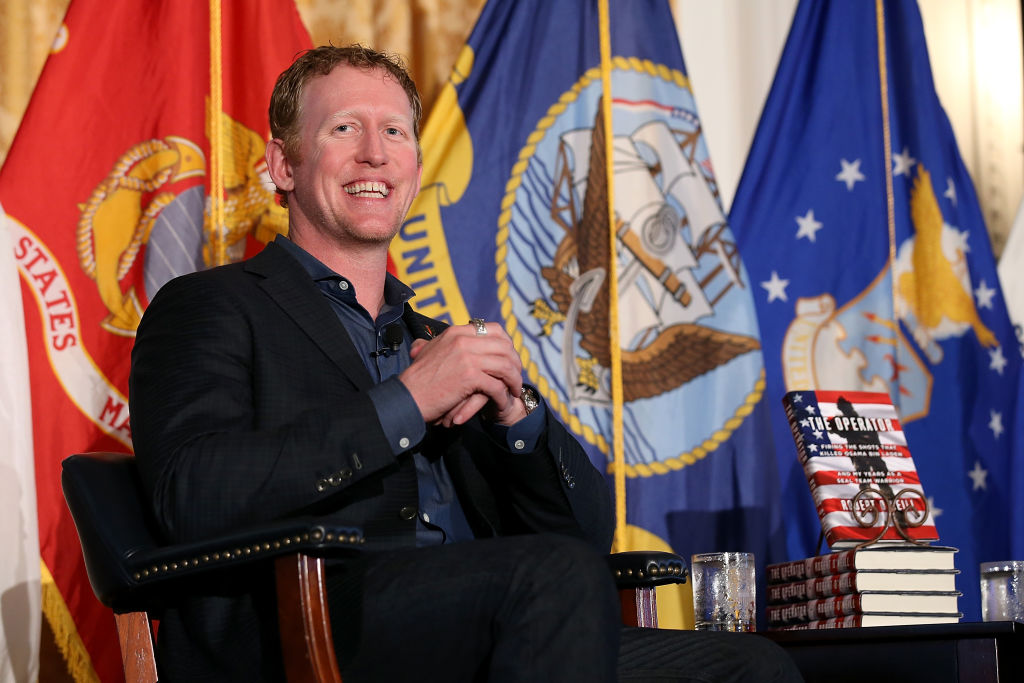
”I turn this way and standing in front of me, two feet away is Osama bin Laden. It was one of those moments in life where things slow down,” he said.
”He’s taller than I thought, he’s skinnier than I thought, his beard was grey/white, but I recognized his nose, this is definitely him. He’s not surrendering, he’s a threat, not only to me but to my entire team, he has to die,” he added.
The former SEAL has also spoken publicly about what happened in the moments immediately after bin Laden was killed, including an act of compassion he says he showed toward the terrorist leader’s young son.
Recalling the scene, he said:
“I can hear bin Laden taking his last breath. When I shot him he fell to the foot of the bed.
“I shot him in the face three times. I moved Amal [bin Laden’s wife] and… his two-year-old son is now standing there, and this is the humanity of everything. This kid has got nothing to do with this. I’m a father. I picked him up and I move them to the back of the bed.”
What happened after the raid?
According to official U.S. accounts, bin Laden’s body was transported to Afghanistan following the raid so authorities could confirm his identity.
Afterward, the remains were flown to the USS Carl Vinson aircraft carrier.
U.S. officials have long maintained that Islamic funeral rites were performed before bin Laden was buried at sea in the Arabian Sea.
Authorities said the burial took place within 24 hours of his death, following Islamic customs that traditionally call for a swift burial after death.
The conspiracy theories that won’t go away
Despite the official explanation, the decision to bury bin Laden at sea immediately sparked controversy.
Over the years, conspiracy theories have flourished, with some people claiming there is no proof bin Laden was ever killed. Others have suggested a body double may have been used.
The theory gained significant attention in 2020 after then-President Donald Trump retweeted an article promoting the claim.
O’Neill was quick to respond.
”Very brave men said good bye to their kids to go kill Osama bin Laden. We were given the order by President Obama. It was not a body double. Thank you Mr. President.”
O’Neill addresses the burial debate
Following the release of the Netflix series, O’Neill once again found himself answering questions about what happened to bin Laden’s remains.
This time, he made it clear that he had no involvement in the burial itself.
”I didn’t bury anyone at sea, BTW…” he wrote on X.
U.S. officials have previously cited two reasons for the controversial decision.
First, no country was reportedly willing to accept bin Laden’s remains. Second, authorities feared that a traditional gravesite could eventually become a pilgrimage site or shrine for supporters of the al-Qaeda leader.
Even so, debate over the decision continues more than a decade later.
In fact, O’Neill has openly acknowledged that he would have preferred a different outcome.
”I would have hung him from a bridge in New York City,” he said.
More than 15 years after the operation that changed history, questions about bin Laden’s final resting place continue to spark discussion — proving that while the mission may be over, public fascination with its aftermath remains as strong as ever.
READ MORE
- US Navy SEAL who killed Osama Bin Laden reveals special gift for analyst who found terrorist
- Reporter’s explosive six-word claim that caused Trump to storm out