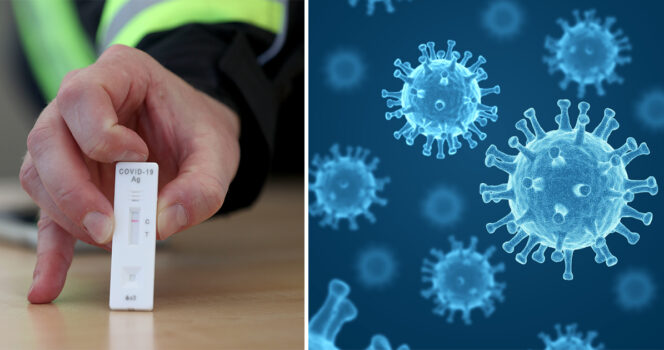
A new Covid variant, BA.3.2 — nicknamed “Cicada” — is spreading globally and may be able to bypass some protections from existing vaccines.
The Covid-19 pandemic may feel like it’s behind us, but the virus isn’t done yet. New variants continue to emerge, and experts warn that some could spread faster, dodge immunity, or even spark a fresh wave of infections.
The latest strain, BA.3.2, nicknamed “Cicada,” is a mutation of the previously dominant Omicron variant and was first detected in South Africa in November 2024. It earned its nickname because, like the insect, it can lie hidden for years before suddenly appearing.
Since it was first identified, the Cicada variant has spread across the globe. According to the European Medical Journal, it had been detected in at least 23 countries as of February 2026.
Cases have been reported in the US and UK, as well as in Japan, Kenya, and the Netherlands, according to the European Medical Journal.
How is Cicada different?
Experts say BA.3.2 is highly mutated, showing a 70–75% variation from earlier strains. In the US, the first case was recorded in June 2025 when a traveler arrived and later led to infections in patients and detection in wastewater systems across 29 states.
Virologist Andrew Pekosz told The Mirror,
“It has a lot of mutations that may cause it to look different to your immune system.”
Dr. Marc Siegel from NYU Langone added that Cicada “could represent a significant public health risk,” but warned it’s “too soon” to know for sure. The CDC has also noted that the actual number of cases may be “underrepresented” due to limited reporting.
The strain is being closely monitored by the European Centre for Disease Prevention and Control, though researchers are still studying how easily it spreads and how severe infections might be compared to previous variants like Priola (BA.2.86).
Symptoms of the Cicada variant
So far, symptoms appear similar to other Covid strains. PBS reports that people infected with BA.3.2 may experience:
- Cough
- Fever or chills
- Sore throat
- Congestion
- Shortness of breath
- Fatigue
- Headache
- Loss of taste or smell
- Gastrointestinal issues
According to Dr. William Schaffner, an infectious disease expert at Vanderbilt University Medical Center, early data shows no “distinctive clinical presentations”, meaning Cicada doesn’t appear to make people significantly sicker than other Covid variants.
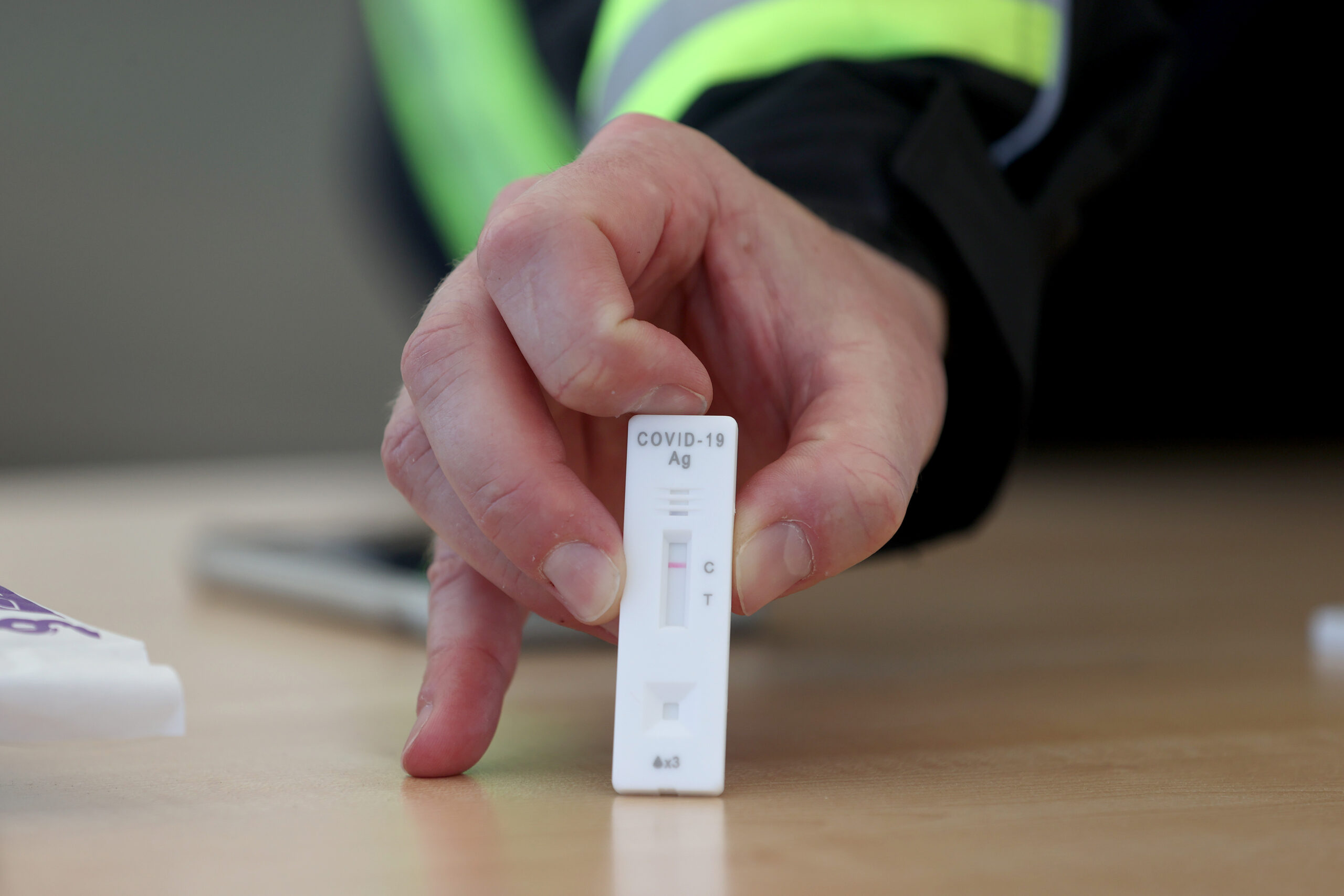
Home testing kits still detect the virus, says Dr. Donald Milton from the University of Maryland.
Preventive measures remain the same: wash hands, stay home if you’re sick, wear a mask in crowded areas, and get plenty of rest.
Can Cicada evade vaccines?
One worry with highly mutated variants is that they could evade the protection provided by vaccines. Current shots like Pfizer-BioNTech and Moderna are designed to target the KP.8.1 strain, while Novavax focuses on JN.1. Most Covid strains circulating this year are still well-covered by the current vaccines.
However, if BA.3.2 — the “Cicada” virus — becomes more widespread, early lab data suggests it could bypass immune defenses from both vaccines and previous infections, though research is still limited.
Vaccines might not fully prevent a Cicada infection, but they are still expected to reduce the risk of serious illness. As University of Maryland respiratory expert Dr. Donald Milton explained,
“That still makes them worth taking.”
Because BA.3.2 is so different, our immune systems “may not be able to recognize the illness as quickly.” Experts continue to recommend vaccination, emphasizing that the shots remain effective at protecting against severe disease and complications.
READ MORE
- Top Gun and Back to the Future actor dies aged 94
- JD Vance’s chances of winning 2028 election revealed