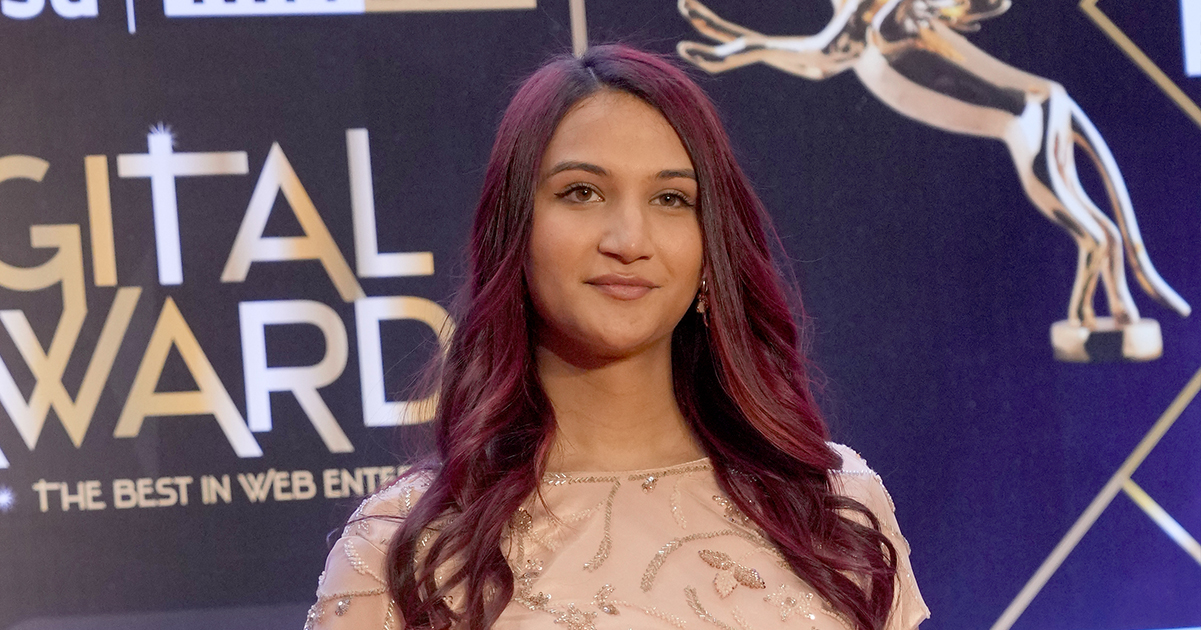
A transgender cricket player has shared her thoughts after being cleared to compete at the highest level of women’s cricket in Australia from March 2027.
Anaya Bangar is the daughter of former Indian cricket star Sanjay Bangar. In March of this year she underwent gender-affirming surgery and has now set her sights on returning to competitive cricket after a number of years away.
Prior to her transition, Bangar played men’s competitive cricket in India. Last week, she announced the news that Cricket Australia (CA) had confirmed that, subject to meeting policy requirements, she could become eligible for elite domestic women’s cricket in the country, including the Women’s Big Bash League (WBBL).
“After years of uncertainty, Cricket Australia has confirmed my eligibility to participate in Elite Cricket from March 2027, subject to ongoing policy requirements,” Bangar wrote on Instagram.
“Following the recent policy amendments, CA has also confirmed that my eligibility determination will not be impacted by those amendments. Until then, I’m eligible to play Premier Cricket and WBBL eventually in Australia.
“Now it’s time to earn my place. See you on the field.”
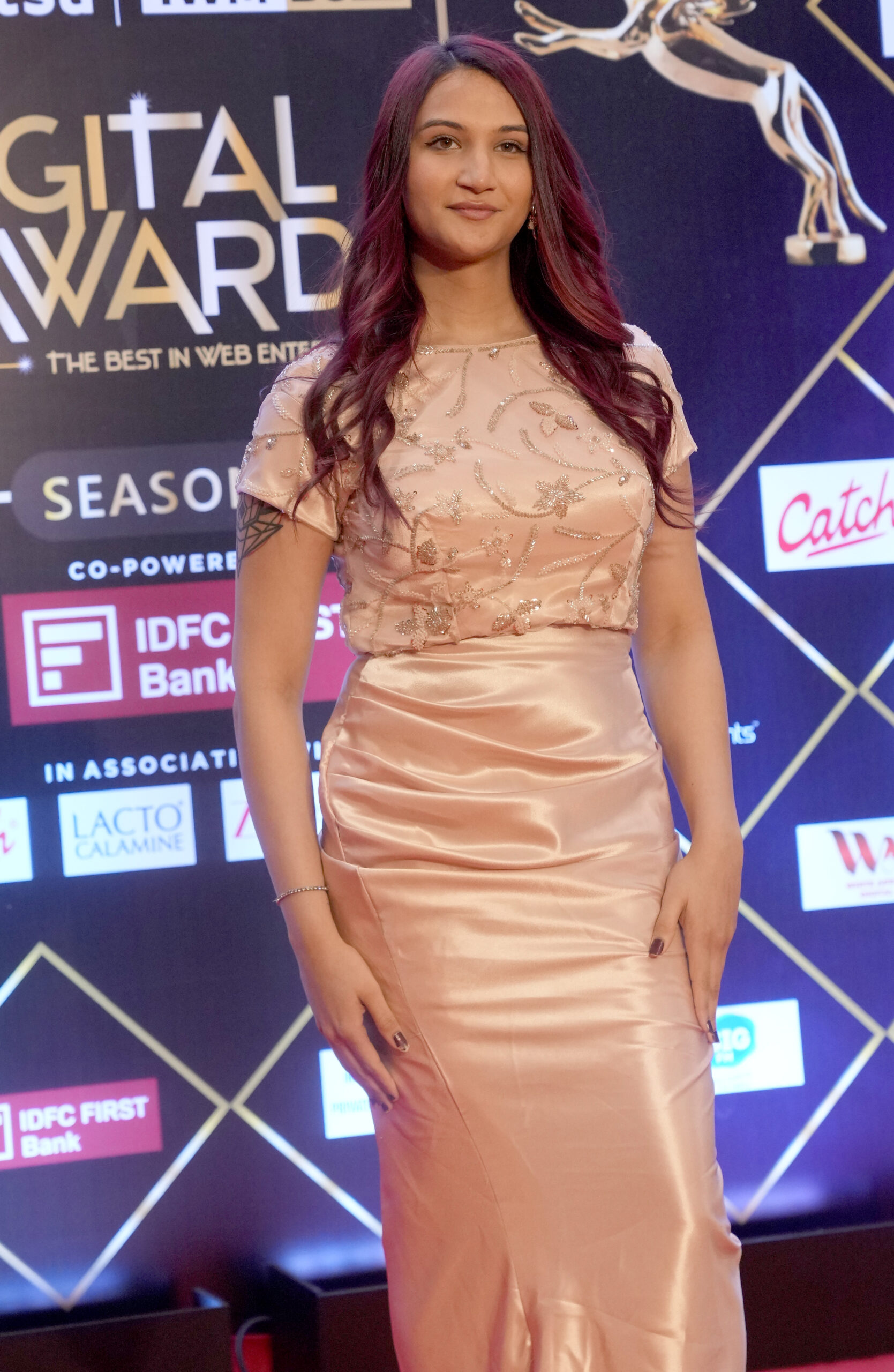
Speaking on the decision, Bangar made it clear that she had not been automatically cleared for a place on a team, outlining Cricket Australia’s framework in place to balance fairness and “competitive integrity”.
“Everyone, thank you for being here. Today is an important day for me because after several years away from competitive cricket, I can finally speak about a pathway back to the sport that has been such a significant part of my life,” she said.
“I am preparing to return to women’s cricket in Australia with the aim of pursuing elite cricket from March 2027. This has not been an automatic or an informal process. Cricket Australia has a framework designed to balance fairness, competitive integrity and inclusion in women’s sport and my case has been considered through that framework.”
An expert panel consisting of CA’s Head of Integrity Jacqui Partridge, Integrity Partner, Legal Emily Yates, Head of Scheduling, Operations and Domestic Cricket Peter Roach, Anti-Doping Medical Officer Dr Peter Harcourt and Team Doctor Dr Pip Inge considered Bangar’s case, ultimately deciding that she met the requirements to be eligible for the women’s game.
“My understanding is that Cricket Australia’s review considered a comprehensive body of information relating to my circumstances, including my medical history, surgical history, hormone and testosterone levels, my cricketing background and playing footage as well, and the scientific and athletic performance work undertaken with Manchester Metropolitan University’s Institute of Sport,” Bangar explained.
NDTV reported CA’s policy dictates that any player seeking to participate in the women’s category of elite cricket must first establish that their serum testosterone concentration has remained below 10 nmol/L continuously for at least 12 months.
Bangar revealed that following her aforementioned gender-affirming surgery in March 2026, she no longer has testicles. A blood test in July recorded her total testosterone at 0.6 nanomoles, within the female reference range reported by the laboratory.
The athlete will undergo another blood test after arriving in Australia to ensure that her testosterone levels are still within the required range.
“My understanding from Cricket Australia’s clearance is that my eligibility for elite women’s cricket from March 2027 remains subject to the applicable policy requirements, including a blood test assessment at the same time,” she said.
“If that March 2027 test confirms that I continue to meet the required testosterone criteria, I will be eligible to pursue selection for elite women’s cricket, including the Women’s Big Bash League pathway.”
Perhaps anticipating some amount of push back from those against the idea of transgender females participating in women’s sports, Bangar stressed that she has not been given a place in a team yet.
“Cricket Australia has given me a pathway, which does not mean that I have been given a place in a team. I still have to train, compete, perform, and earn that opportunity,” she said.
“That’s exactly how I want it. I don’t expect my history or my identity to earn me a place on a cricket team. I want my cricket to earn me a place on a cricket team.”
Notably, the International Cricket Council does not allow transgender women who have undergone male puberty to compete in elite international women’s cricket.
That means Bangar’s eligibility from March 2027 applies only to the Australian domestic system and remains subject to her continued compliance with Cricket Australia’s requirements.
Bangar, though, said she hopes her case will encourage a wider discussion about transgender participation in women’s sport.
“I am not claiming that I have made a team. I am saying that I have been given the opportunity to compete for one, and I intend to work for it,” she said.
“I hope that my journey can also contribute to a more informed conversation around transgender athletes in women’s sport and how sporting organisations can approach these questions responsibly with evidence, individual assessment, fairness and respect. But ultimately, I want the conversation to come back to where it started for me.”
READ MORE
- Dolly Parton made one final selfless offer to her doctors, her sister reveals
- Dolly Parton fans blown away by her real hair after years of seeing her in wigs