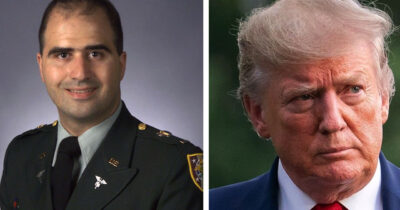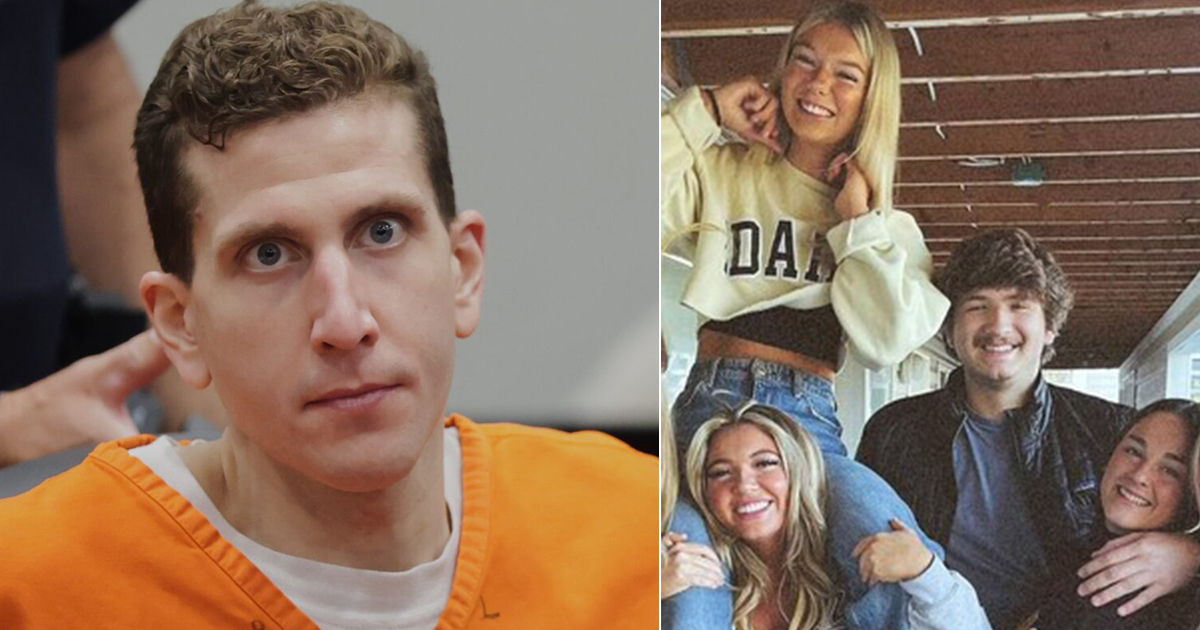
Even after Bryan Kohberger admitted to killing four University of Idaho students, one question continues to haunt the families and the public: Why did he do it?
The 2022 Idaho student murders shocked the world, not only because four young University of Idaho students were brutally killed inside their home, but because the horrific crime seemed to come without warning.
The case remain one of the most closely followed true-crime cases in recent years — and the mystery surrounding Kohberger’s motive continues to haunt those who have searched for answers.
New Netflix documentary
Bryan Kohberger, 31, is now serving four consecutive life sentences without the possibility of parole after pleading guilty to the 2022 murders of Kaylee Goncalves, Madison Mogen, Xana Kernodle and Ethan Chapin at an off-campus home in Moscow, Idaho.
But he has never publicly explained what drove him to carry out the killings.
That silence is at the center of a new Netflix documentary, The Idaho Murders: College Nightmare. Director Skye Borgman believes one possible clue could be found in the home Kohberger selected.
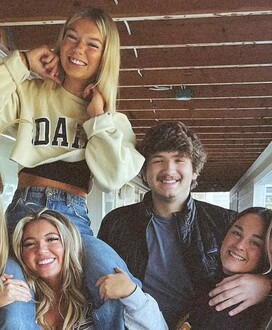
“The fact that [this] was the house that he chose. This was a house that had five women living in it. The night that the murders happened, Xana Kernodle’s boyfriend, Ethan Chapin, was over, but really, this was a house full of women, and it seems pretty clear that he targeted it,” Borgman told Fox News.
According to Borgman, Kohberger appeared to have spent considerable time observing the property before the murders.
”He watched the house; he was around the house in the days, weeks and months leading up to the murders,” Borgman said. ”So, it seems pretty likely that he had a very low regard, if not hatred, for women.”
Inside the theory
Borgman stressed that her theory remains speculation.
”It’s all conjecture, but he seemed to struggle with his relationships with women,” Borgman explained. ”And we look at this incel movement and the question of whether or not he was an incel, and whether or not he didn’t like women.”
There is no established evidence proving that misogyny or involvement in the so-called incel movement was Kohberger’s motive.
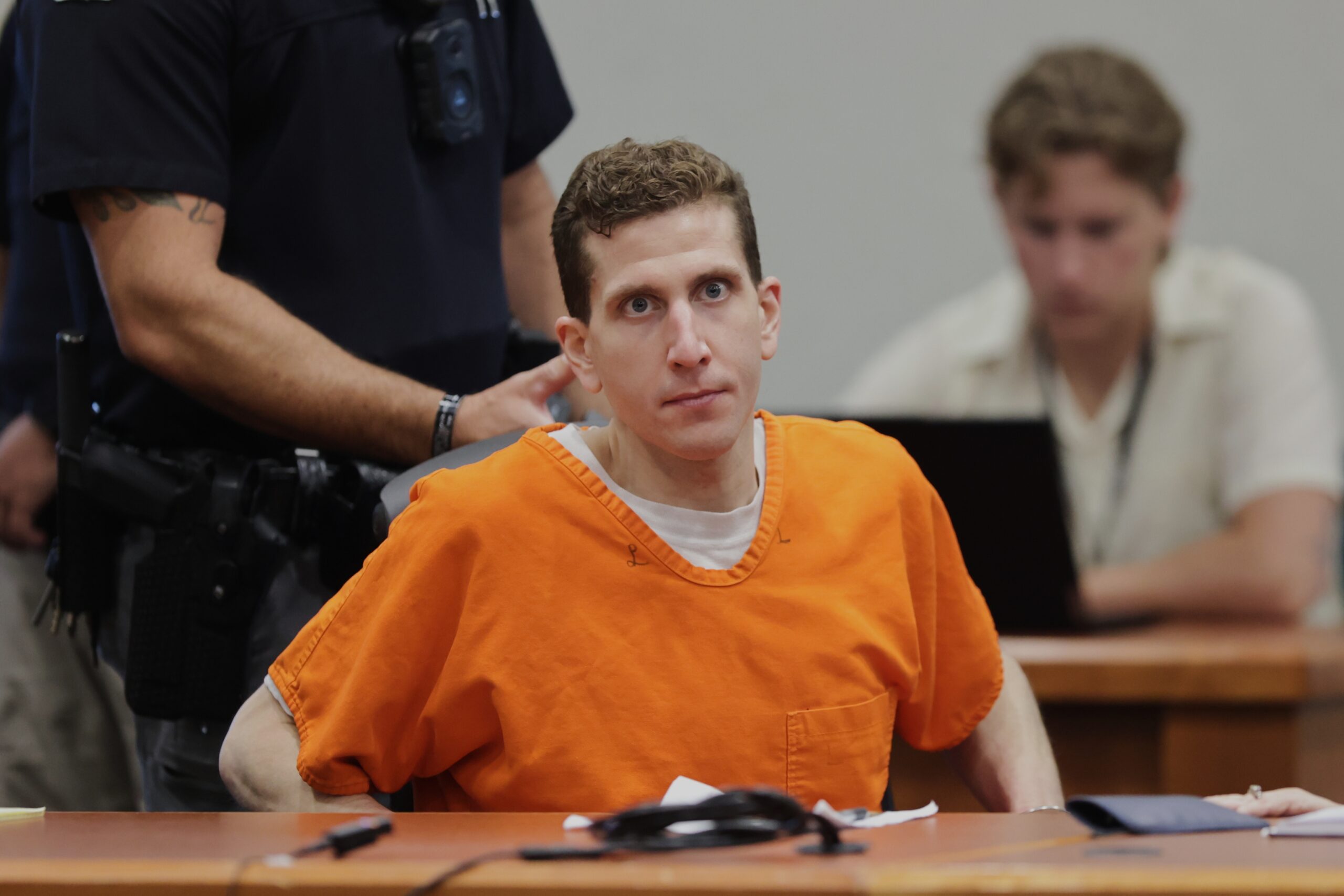
Ed Jacobson, an FBI special agent who worked on the investigation, addressed that issue in the documentary.
“We never saw evidence that shows Bryan Kohberger is part of the incel movement,” he said, while adding that Kohberger “was very good at hiding his online activity.”
The documentary also examines accounts from people who encountered Kohberger before the murders.
“His way or the highway”
Former classmate Lilly Karaban described him as someone with a “his way or the highway” attitude who often seemed to live “in his own world.”
Other interviews and records presented in the film describe uncomfortable encounters involving Kohberger. Some former classmates said he was “not particularly well liked” and accused him of speaking down to women, engaging in “mansplaining” and becoming argumentative or aggressive.
Several students reportedly described him as “creepy” and said his behavior made them uncomfortable.
“There were just strange incidents and strange behavior,” Moscow Police Chief Anthony Dahlinger said in the documentary.
Former Washington State University Police Chief Gary Jenkins also recalled an account from a student who said she felt cornered during an aggressive interaction with Kohberger. She reportedly believed he sometimes followed her to her vehicle.
Kohberger eventually lost his teaching assistant position at WSU.
Jenkins said, however, that none of the incidents reported to officials were referred to police because “nothing that occurred rose to the level of a crime.”
Troubling account from exotic dancer
Another troubling account came from an exotic dancer who told investigators about an encounter at a Pennsylvania club in 2019.
The woman said a man she later believed was Kohberger told her he wanted to kill people. When she jokingly asked who, she said he responded, “Whoever I want.”
She initially believed he was simply trying to get her attention and alerted security. Years later, she said she recognized Kohberger after his arrest when his picture appeared on television.
Author James Patterson, who wrote about the case, has also described accounts of Kohberger allegedly approaching women in unwanted ways before the murders.

At Seven Sirens Brewing Company in Bethlehem, Pennsylvania, he reportedly attempted to initiate conversations with female bartenders and customers and allegedly asked some women for their addresses. Patterson said several people remembered him as an unsettling presence.
“Pretty much everybody we talked to just said, ‘This is a strange man with a strange look — couldn’t look people in the eye,’” Patterson said. “If he did look you in the eye, sometimes people wished that he hadn’t. And his impression of himself was totally out of whack with the way other people perceived him.”
Still, the central question remains unanswered.
“I would love to, I think, along with the rest of the world, know why he did what he did,” Borgman told Fox News. “But it is one of those things that I don’t think any of us will ever know. That’s a frustrating thing for myself … and I know especially for the families. They wish so truly that he had been forced through the terms of his plea deal to give us more information about the why of it all.”
Refuses to explain himself
In the documentary, Karaban offered her own interpretation of the killings.
“People who brutalize women the way Kohberger did dislike them, find them threatening,” she said. “So they take all that anger out on them.”
But investigators have cautioned against drawing conclusions about Kohberger’s motive without evidence. And Borgman believes his refusal to explain himself could be deliberate.
She suggested Kohberger may have been attempting “to commit the perfect crime.”
“He failed in doing that,” she said. “But I think his silence is a way of attempting to keep the spotlight focused on him.”
Borgman said authorities are still “grappling with the why.”
“We spoke to one of the FBI agents who worked the case, and he essentially says, ‘You’ve got to be OK with not knowing,’” Borgman said. “And that’s really hard for humans to do: be OK with not knowing. And to crawl inside somebody’s mind and figure out the whys … it’s impossible. And I think that’s one of the reasons people followed this case for so long. … That question of the why still lingers with just about everybody.”
Another unexpected turn
In July, Kohberger’s case took another unexpected turn.
Just days before the documentary premiered July 29, he filed a request seeking to withdraw his guilty plea and proceed to trial instead. He alleged that his attorneys pressured him into accepting the agreement by making promises about prison conditions and warning him about the possibility of the death penalty.
Kohberger claimed his plea was not knowingly or voluntarily entered and said it “was induced by unkept promises” and threats.
That request comes despite Kohberger telling the court in 2025 that he was pleading guilty “freely and voluntarily.” As part of the agreement, he waived certain appeal rights and acknowledged that he had not been coerced into pleading guilty. Prosecutors, meanwhile, agreed not to pursue the death penalty.
Beyond the courtroom and the unanswered question of motive, the murders have had a lasting impact on Moscow itself.
Borgman said some investigators were so deeply affected by the case that “they don’t work in law enforcement anymore.”
“It’s something that was too much, and they ended up leaving the police force,” she said. “So it’s important, I think, to really factor into what happened, the incredible toll it takes on law enforcement and the incredible toll it takes on the community.”
“So many people felt fear,” she said. “The fear was so deep that they weren’t leaving their homes. And that fear, along with the arrest of the perpetrator, also led to this amazing feeling of community. It brought people together.”
READ MORE
- Haunting new details emerge from Idaho murders as roommates’ texts are released
- Last emotional voice note from British-Nepali mountaineer Nirmal Purja revealed