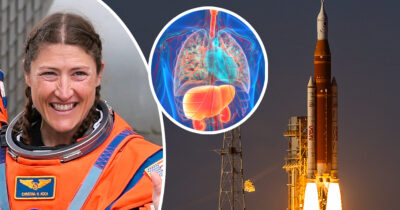
The world’s eyes are on Artemis II, as the four-person crew embarks on humanity’s first journey to the Moon in over 50 years.
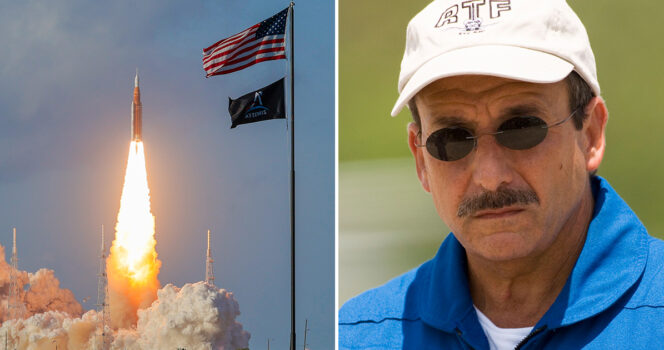
Now, a former NASA astronaut shared his hopes — and concerns — for the crew aboard the historic mission.
”What I worry about is..”
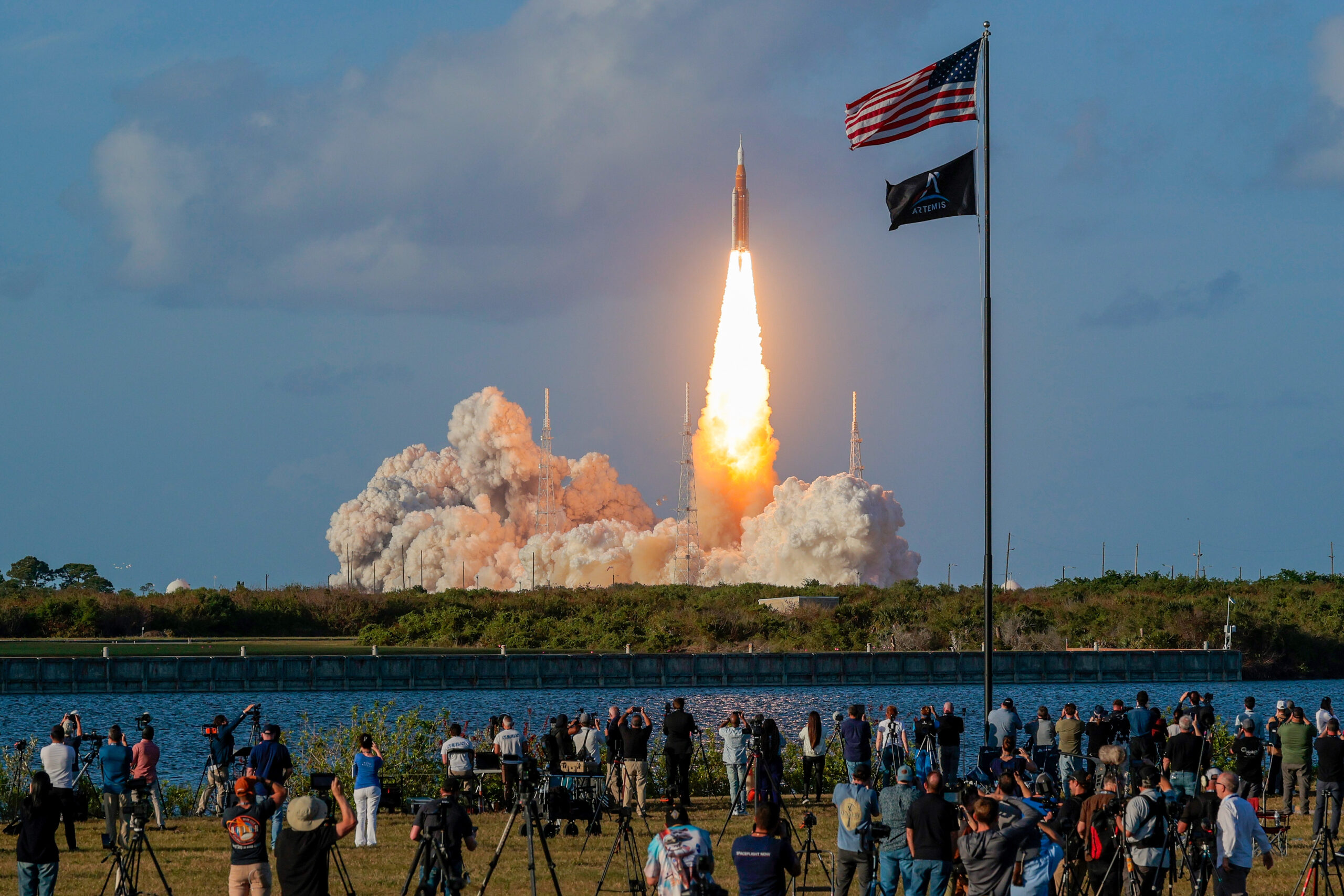
Artemis II successfully lifted off from Cape Canaveral in Florida Wednesday evening, carrying a four-person crew on humanity’s first lunar journey in more than half a century. Over the course of a 10-day mission, the astronauts will travel roughly 250,000 miles from Earth, venturing farther than any humans in history.
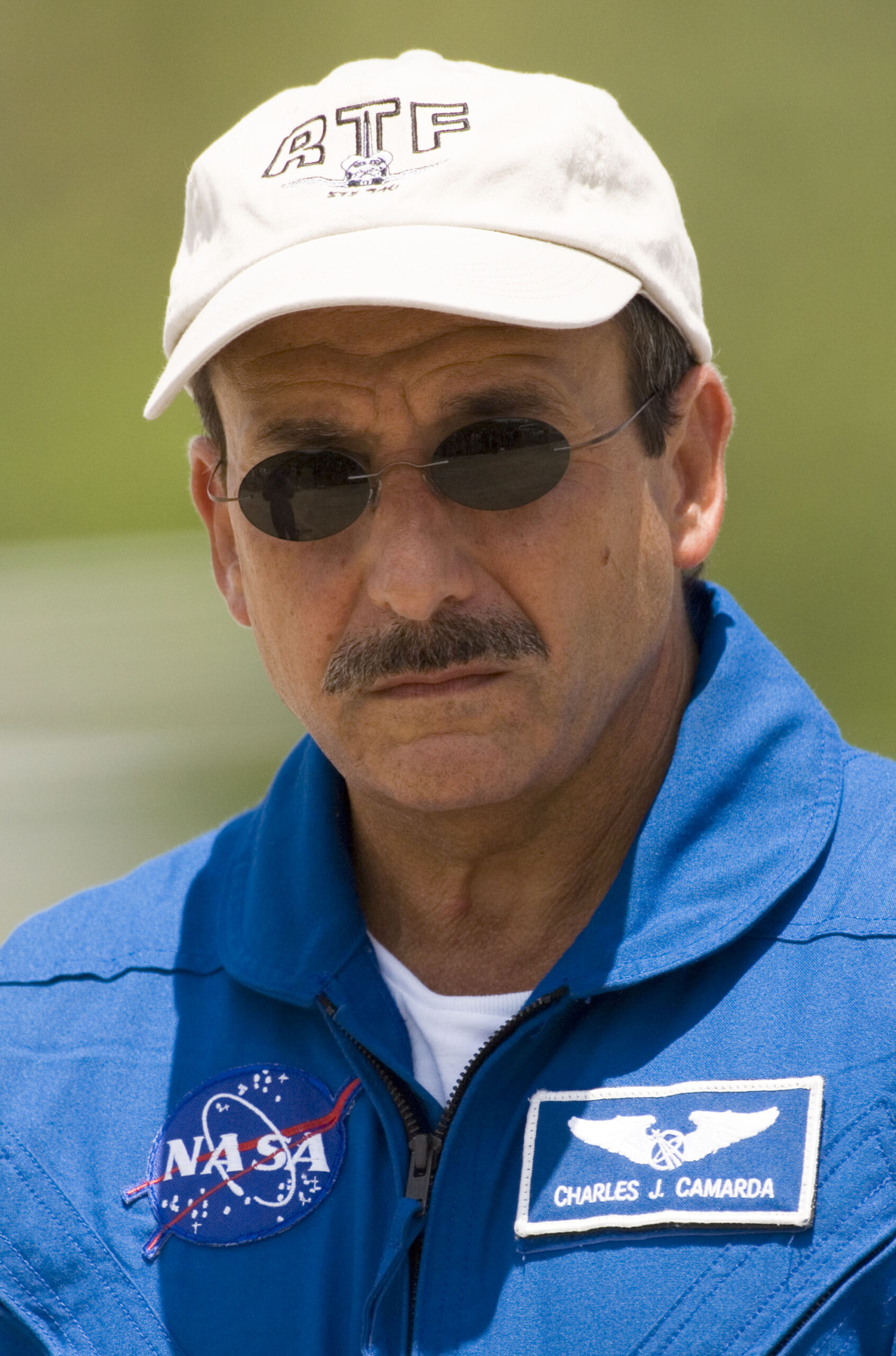
The journey will be both mentally and physically demanding for the astronauts, and one who knows firsthand what it’s like to be in space is 73-year-old Charles Joseph Camarda. The American engineer and a NASA astronaut first flew into space on the Space Shuttle STS-114 in 2005, which was NASA’s ”return to flight” mission following the loss of Space Shuttle Columbia.
In an interview with Cheddar, Camarda revealed insights on humanity’s first Moon mission since Apollo, explaining that one key factor could potentially hold the U.S. back in the “space race.”
The Challenger and the Columbia accidents
”What I worry about is that if NASA doesn’t change its culture, back to the culture we had during the early Apollo years, we may lose this race,” Camarda said.
Reflecting on his experiences, Camarda pointed to lessons learned after the Columbia disaster:
”I wrote a book about this mission out of Control, just last year it came out, it was published, and what it talks about in the first half of that book because I flew right after the Columbia accident, and so what we realized… was, Yes, we had some technical problems which caused the accident, the foam coming off the external tank striking the vehicle, but the real problem, the real root cause of both the Challenger and the Columbia accidents was the culture at NASA, OK?”
”And so what I write about in my book is that we lost what I call a research culture,” he continued.
”During the early Apollo years, we had real research scientists coming from NACA, the National Advisory Committee for Aeronautics, where we had research labs and we were just doing applied research and we were making the aircraft country in the United States the best in the world.”
Toilet broke down
Camarda stressed the importance of technical leadership and innovation:
”It took these really smart minds, these really sharp technical leaders and managers to develop Apollo. We’ve lost that. For the last 30, 40 years, NASA has not been investing in applied research. And so the technology we’re seeing now that’s flying on things like SLS is 1970s technology. That’s interesting to hear,” he added.
So far, (almost) everything has gone smoothly for Artemis II. Five minutes into the mission, Commander Reid Wiseman shared a breathtaking view: “We have a beautiful moonrise, we’re headed right at it,” as the crew settled into orbit around Earth for system checks over the next day.
But just hours after the Artemis II mission successfully lifted off, a small hiccup emerged: the four-person crew encountered a problem with the Orion spacecraft’s high-tech toilet during the historic deep-space lunar flyby.
Norm Knight, NASA’s director of flight operations, explained that the issue was linked to a controller malfunction. Officials confirmed that the toilet could still handle “number two” business, but “number one” was temporarily out of commission.
Hours after the astronauts reported the problem to Mission Control, flight controllers guided them through the steps to get the system working again.
“Happy to report that toilet is go for use,” Capcom Amy Dill radioed back.
“We do recommend letting the system get to operating speed before donating fluid, and then letting it run a little bit after donation.”
READ MORE
- Bone-chilling effects space could have on Artemis II astronauts
- Astronaut’s spine-chilling last words as he fell from space