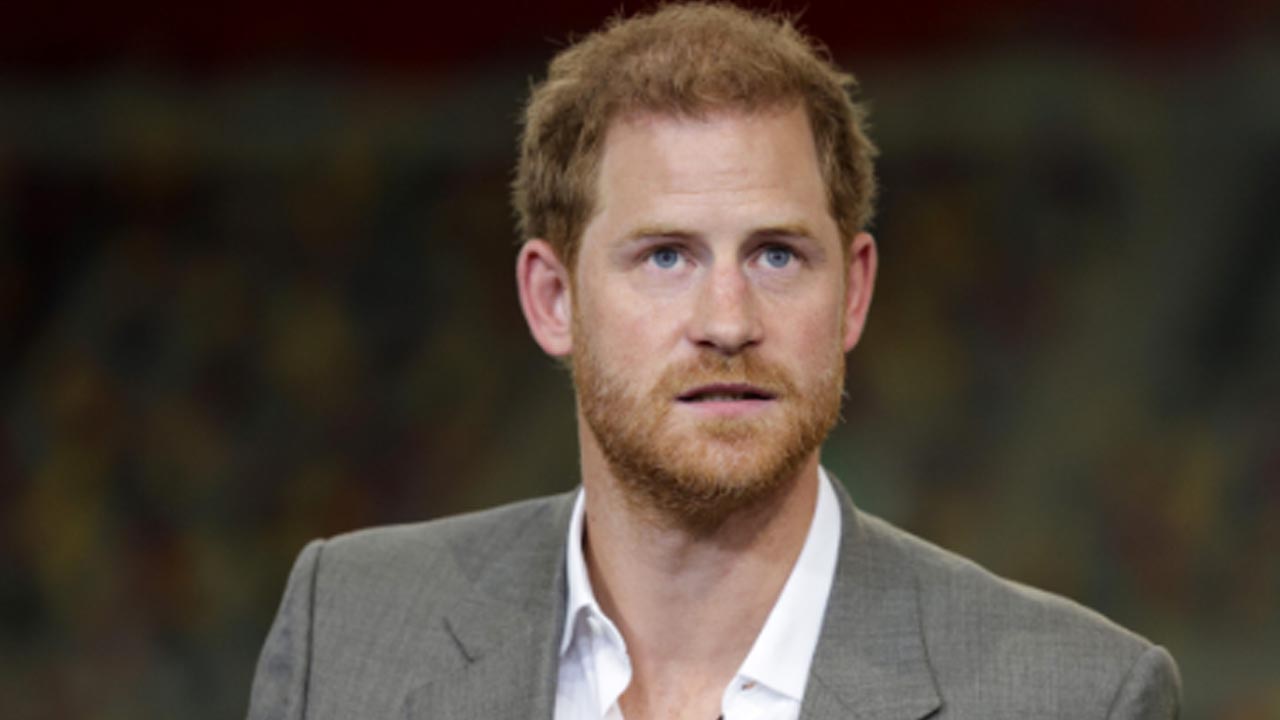
Prince Harry has opened up about the mental health challenges he faced for years, revealing that he suffered panic attacks while serving in the military and later experienced depression after leaving the UK.
The Duke of Sussex, now 40, discussed his personal experiences in a new episode of MasterClass, explaining how his time in the British Army helped him avoid confronting the emotional impact of losing his mother, Princess Diana.
Harry was just 20 when he served in the military. Looking back, he described it as a “distraction.”
“For 15, 20 years, when I was being asked, ‘Are you okay?’ My response was, ‘I’m fine,’” he said according to UNILAD.
“It was numbness, emotional shutdown. And without knowing it, adrenaline was pushing me, was driving me.”
He explained that he rarely stopped to consider his own emotional state.
Harry had panic attacks after his military service
After returning from Afghanistan in 2013, Harry began to understand how his experiences were affecting him.
“The things that I saw, the things I experienced, appeared to be a trigger for other traumas that had stored themselves within me.
“I started to realize that I probably had become seriously depleted when just putting a simple dress shirt on – the tightening of the collar – literally felt like I was suffocating, and I would be experiencing panic attacks just in the car on the way to work.”
The physical sensation of wearing a shirt collar had become overwhelming, and even his daily commute could trigger panic attacks.
Harry’s comments offer a glimpse into the difficulties he experienced after years of pushing his emotions aside. He has long advocated for greater awareness of mental health issues and encouraged people to seek support when they are struggling.
Leaving royal life brought another unexpected low
Harry also recalled experiencing a significant emotional crash after stepping away from his royal responsibilities in 2020 and relocating with his young family.
After arriving in Canada, he said he spent around two weeks struggling with depression and found it difficult to function without the adrenaline that had driven him for so long.
“I experienced this adrenaline crash, something that I’d never experienced before.
“I actually slipped into depression for about two weeks and I felt like I couldn’t function without adrenaline.”
Moved back to the UK
Harry and Meghan Markle moved back to the UK a while back.
They enrolled their two young children, Archie and Lilibet, in a UK school before moving, but pulled them out after just two days, sparking heavy criticism from both experts and parents. They are now enrolled in a new one.
While attending the Invictus Spirit Gala Dinner & Awards in London Harry broke his silence on how the family’s return to Britain has been.
“We’re getting stuck into the work. Kids are in school. We’re happy,” Harry told Hello! Magazine, describing the family’s first couple of weeks back as “eventful.”
Starting a new school can naturally cause some nervousness, and Harry explained what their morning had looked like, saying the children had “a bit of Monday blues.”
“It was always Sunday night blues when you’re being sent away to boarding school like I was, but for them, at breakfast this morning, I decided, you know what? You’re just being a little bit tricky, so I’m going to tell you exactly what I’m doing tonight.”
Harry described how their morning gave him a chance to have a meaningful conversation with the kids, telling them about the children and families he would meet later that day.
“They were genuinely fascinated and asking all sorts of questions,” he said. “So, like with all of my work and their mum’s work as well, whatever we can do to try to instil some of that awareness, I think is absolutely crucial.”
Where to get help
On the topic of mental health, don’t be afraid to ask for help. If you, or someone you know, is struggling, you can call or text 988 or chat at 988lifeline.org. You can also reach the Crisis Text Line by texting MHA to 741741, or contact the SAMHSA Disaster Distress Helpline at 1-800-985-5990.
If your distress feels unbearable, or if you have suicidal thoughts or plans, contact a psychiatric emergency unit immediately or call 911.
For more information about available resources, visit Mental Health America at mhanational.org.
Read more: