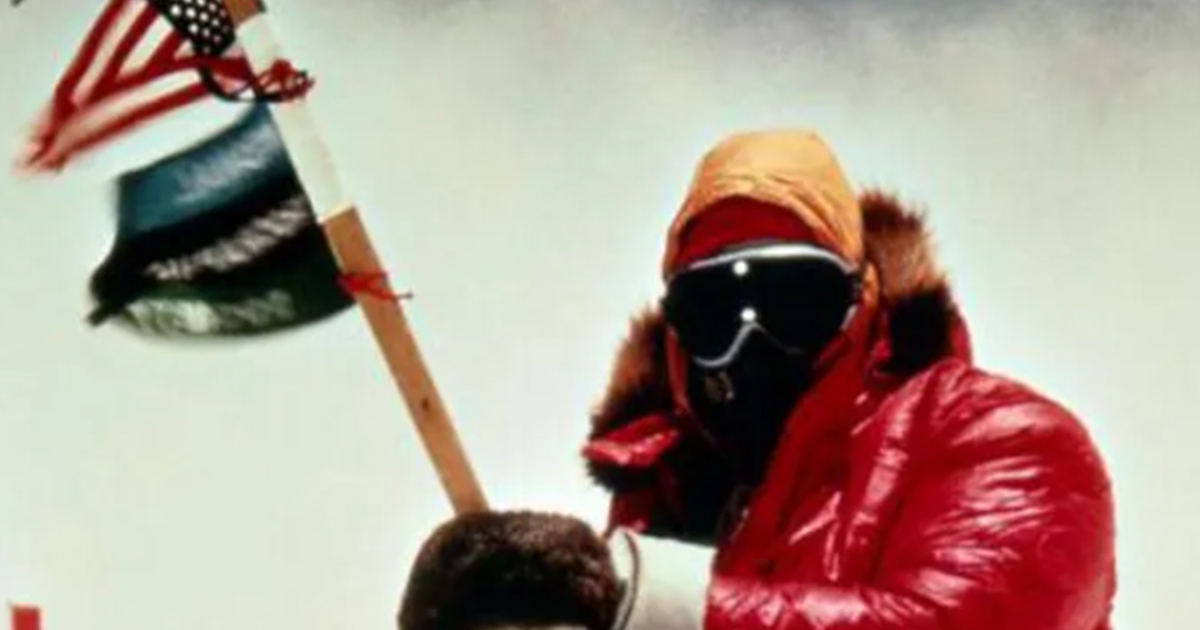
The world just lost a true giant of adventure.
Jim Whittaker — the quiet, fearless climber who became the first American to stand on the summit of Mount Everest — has died at 97.
He passed away peacefully at his home in Port Townsend, Washington, surrounded by the life he built far from the spotlight that once followed him.
According to NPR, his family shared a message that feels just like the man himself — grounded, generous, and deeply human:
“Whether at home, in the mountains, or at sea, he sought to share adventure, joy, and optimism with those around him,” the statement said. “His warmth, humility, and belief in the power of nature to bring people together left an enduring legacy of care for our planet and for one another.”
Whittaker’s life reads like something out of a different era — one where courage wasn’t loud, and greatness didn’t need to announce itself.
Born and raised in Seattle, Whittaker started climbing as a teenager alongside his twin brother Lou. Their bond was lifelong, their paths sometimes different, but always connected.
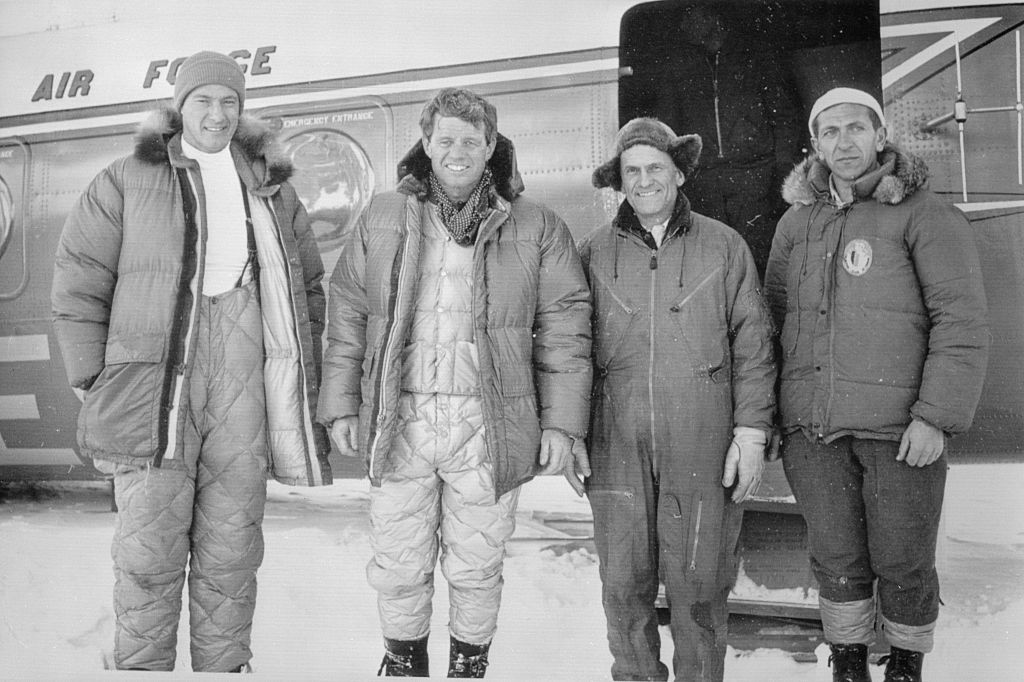
In 1963, Jim made history by reaching the top of Everest, just a decade after the first successful ascent. That moment didn’t just change his life — it helped ignite America’s passion for mountaineering. Suddenly, the once-reserved climber found himself on magazine covers, thrust into fame he never seemed to chase.
But what made him remarkable wasn’t just that one climb. It was everything that came after.
He helped grow REI from a small co-op into a national force, led efforts to protect wild places long before environmentalism was mainstream, and used his voice to help preserve some of America’s most treasured landscapes.
At the height of his fame
He also believed deeply in people — in connection, in shared struggle, in what can happen when we come together.
“Jim was a lifelong advocate for peace and believed deeply in the ability of shared challenges in the natural world to unite people across borders and ideologies,” his family said.
Even at the height of his fame, Whittaker stayed rooted in what mattered most: the mountains, his family, and the quiet lessons learned in both.
One of his proudest moments didn’t involve records or headlines. In 1981, he led a group of disabled climbers up Mount Rainier — an experience he later described with simple clarity: for them, “that was Mount Everest.”
He understood something many never do — that the real summit isn’t always the highest point on Earth, but the one that changes you.
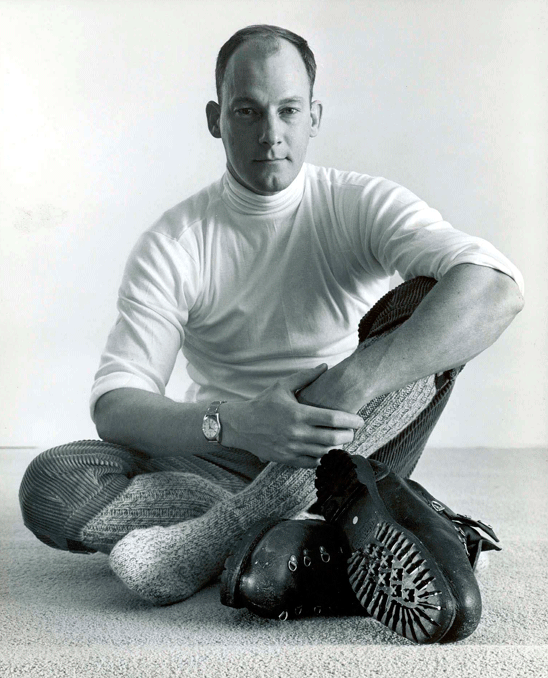
After a life spent facing some of the world’s most dangerous peaks, Whittaker once shared a surprisingly simple wish:
“die in my sleep with the television on.”
There’s something deeply human in that — a reminder that even the boldest lives come back to the simplest endings.
He leaves behind his wife of 52 years, his children, grandchildren, and a legacy that goes far beyond climbing.
Because Jim Whittaker didn’t just conquer mountains.
He lifted people.
And somehow, even now, he still does.
READ MORE
- Doctor, 30, dies just months after cancer diagnosis following unusual symptom
- The rise of a rebel who changed country music forever – do you recognize him?