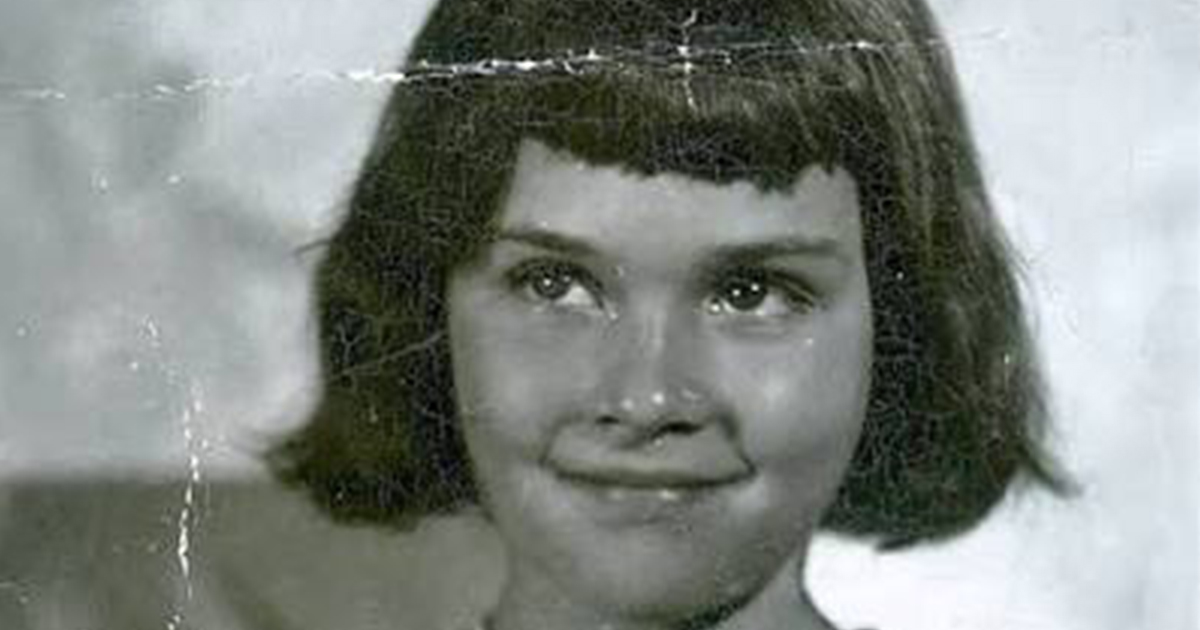
Death threats against her father cast a shadow over her childhood — but those frightening years would ultimately shape the woman and career she built.
Today, she’s been married to the same man twice and has become one of the most recognizable stars in America. But the road to her extraordinary success was anything but ordinary…
She was told she was taking a man’s place. She built a television empire anyway — and when heartbreak nearly shattered her, she found her way back to the same man she had once divorced.
Long before millions of Americans knew her, this huge personality was a young girl growing up in Brooklyn with a stubborn determination to build a life of her own.
While many women of her generation were expected to focus on marriage and family, she already had something else in mind.
“[For] most of the young woman of my generation, their plan was to marry and have a family,” she once explained. “I always felt that it would be great to be a woman who had a profession that separated you from the rest of the pack.”
She was born in the middle of a world at war, in Brooklyn, New York, to parents of German Jewish and Russian Jewish heritage.
”I mean, I was cute but not a knockout. People stopped whistling at me as I passed a construction site decades ago,” she once said.
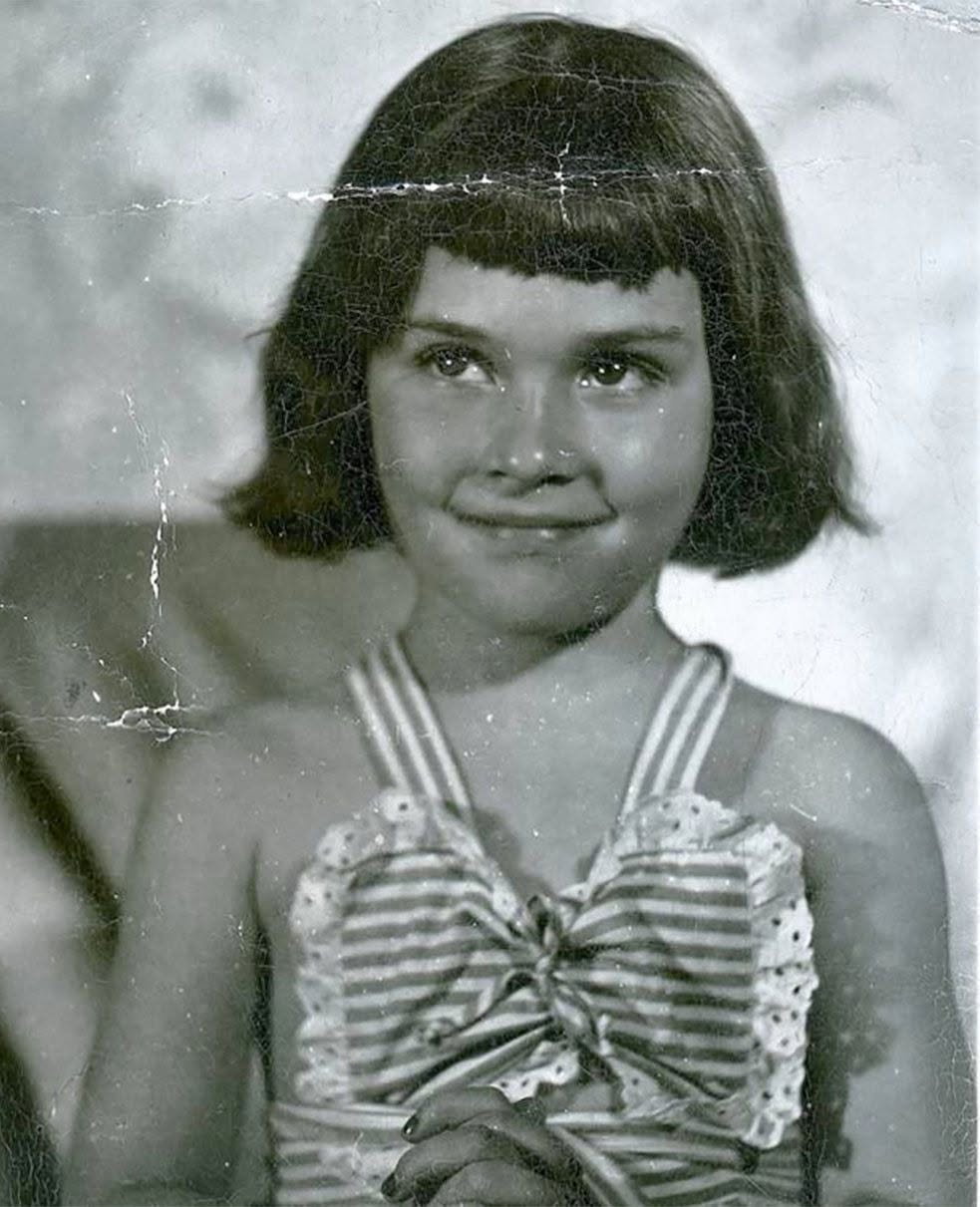
Her father, Murray, was a dentist whom she later described as “the greatest thing since sliced bread.” Her mother, Ethel, worked as an office manager and, in her daughter’s memorable words, was “a meat and potatoes kind of gal.”
The cultural icon has said that much of her strong moral compass came from her father.
He worked part-time for the city and noticed that the government could save money by producing some of its own dental equipment instead of paying outside companies inflated prices. When he pushed the idea, however, it came at a frightening cost: he began receiving death threats.
He wanted to keep fighting for what he believed was right, but eventually backed down when the threats began to frighten the family.
Deeply religious Jewish grandfather
For his young daughter, though, the experience left a lasting impression. She was only 8 years old, but watching her father stand up for what he believed in — and seeing the price his family could pay for it — helped shape the moral compass she would carry throughout her life.
Her deeply religious Jewish grandfather also left a lasting impression on her. In a 2021 interview with The Guardian, she recalled how, on Yom Kippur, he explained that he fasted and took the stairs to his apartment as an act of atonement for his sins.
“It translated to an eight-year old’s mind as, if I do everything right all year, I can eat and take the stairs on Yom Kippur.”
She told the story as a sweet childhood memory, but it also revealed something deeper about the world she grew up; one where right and wrong seemed clear, and doing the right thing felt both unambiguous and attainable.
By the time she was just 10 years old, she had already decided that she wanted to study law. Her father dreamed of seeing her become a senator, but she had already worked out the path she needed to take: “I figured out that you’ve really got to be a lawyer first.”
“I was a great bullshitter … and I could argue my way out of any situation,” she recalled.
The men around her didn’t think she belonged
She attended American University in Washington, D.C., graduating in 1963. Remarkably, she was the only woman among 126 students in her class.
But the resistance didn’t end there.
When she later attended New York Law School, one professor reportedly questioned why she was even taking a place in the classroom.
“Why are you taking up the seat of a man who is going to have to support a family,” she recalled being told.
For some women, words like those might have been enough to make them reconsider. For her, they appear to have done the opposite.
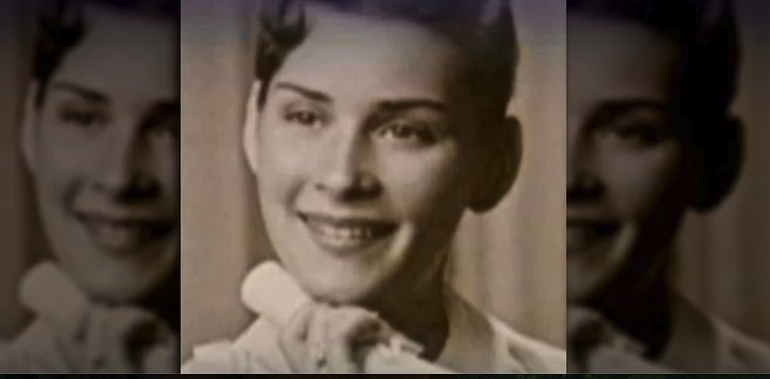
She graduated in 1965 and began building the legal career she had dreamed about. But life quickly became complicated.
She married young and became a mother to two children. She eventually left her job to focus on raising them, but the decision didn’t bring the fulfillment she expected.
She returned to family court, where her sharp personality and no-nonsense approach began attracting attention.
Then came the moment that changed everything.
The courtroom made her famous
Her reputation eventually reached the media. A 1993 Los Angeles Times profile brought her wider attention, and soon 60 Minutes filmed inside her courtroom.
Television executives saw something special.
In 1996, her own courtroom show premiered.
It became an enormous hit.
For 25 years, viewers watched her settle disputes with blunt questions, quick wit and very little patience for nonsense. The series eventually produced thousands of episodes and cases and became one of the most successful courtroom shows in television history.
And she knew exactly how valuable she was to the program.
“The People’s Court, they’ve had several judges. The Tonight Show has had several hosts. But I Love Lucy only had one Lucille Ball,” she explained.
She wasn’t content to simply be an employee.
“So, almost 20 years ago, I told the company that I worked for this: ‘I want to be more of a partner. Don’t treat me as a paid employee. I could make this show without you — I created a deal where I could do that — but you can’t make it without me.’”
That confidence paid off spectacularly.
She became one of television’s highest-paid personalities, reportedly earning tens of millions of dollars in a single year.
Her fortune eventually reached an estimated $440 million.
But behind the courtroom success was a personal life that had taken some unexpected turns.
She divorced her first husband — then found love again
Her first marriage ended in 1976.
“It was scary, I was the first divorce in my family,” she recalled.
She later admitted that she had resented the way her husband viewed her career.
“My first husband is a lovely, lovely man but he always viewed my job as a hobby and there came a time where I resented that.”
Then, less than six months after the divorce, she met another attorney.
His name was Jerry.
And their first meeting was anything but ordinary.
“There was a reporter from the New York Post there at the bar, and I was speaking to him about the case,” Jerry later recalled.
“Judy came walking in and put her finger in my face and said, ‘And who is this?’ I said, ‘Lady, get your finger out of my face.’ We’ve been together ever since.”
They married in 1977.
But their story wasn’t finished.
Then tragedy pulled them apart
In 1990, she lost her father — the man she described as “the one person I could totally rely on.”
The grief hit her hard.
And instead of processing the pain, she found herself directing her anger toward Jerry.
“I was so sad when my father died, that an easier emotion for me to deal with was being angry at Jerry for not picking up the slack than dealing with the sadness of the loss,” she later explained.
The couple divorced.
They began seeing other people.
But eventually, they realized something neither could ignore.
They missed each other.
And they remarried.
“I would have married him two days after we met … but we didn’t marry for a year.”
She later explained why she ultimately wanted Jerry back in her life.
“I missed Jerry, I like to have someone to fuss over, I like to be mated. It’s natural for me.”
It was an unconventional love story — one that survived marriage, divorce, grief and eventually found its way back home.
The woman behind the famous judge
While millions knew her as the tough judge who could silence a courtroom with a single look, her family saw another side.
She became a grandmother and admitted she had a softer spot for the younger generation.
“I spoil them,” she said. “I’m trying to think of how we don’t, but the answer is we do.”
She also took enormous pride in her family’s connection to the law, with several of her children and stepchildren following in the profession.
And then came another surprising moment.
At her grandson’s wedding, the woman known for being almost impossible to rattle became emotional.
Jerry noticed immediately.
“It’s the first time I’d ever seen her get so emotional I thought a tear was gonna come out of her eye,” he said.
The woman behind all these stories?
Judith Susan Sheindlin — better known to millions simply as Judge Judy.

She went from being the only woman in her college class and being told she was taking a man’s place to becoming one of the most recognizable television personalities in America.
She built a legal career, a television empire and a fortune worth hundreds of millions. And somehow, after everything life threw at her, she also found her way back to the man she had once divorced.
Not bad for the woman who was told she didn’t belong.
READ MORE
- Judge Judy reveals biggest regret in her nearly 60-year career in law
- Judge Judy changes her hairstyle after 23 years and everyone has an opinion