We all know the names Neil Armstrong and Buzz Aldrin.
Their faces are permanently tied to one of the most extraordinary moments in human history — the first time people walked on the moon.
But behind that historic achievement were countless people whose names never became household words.
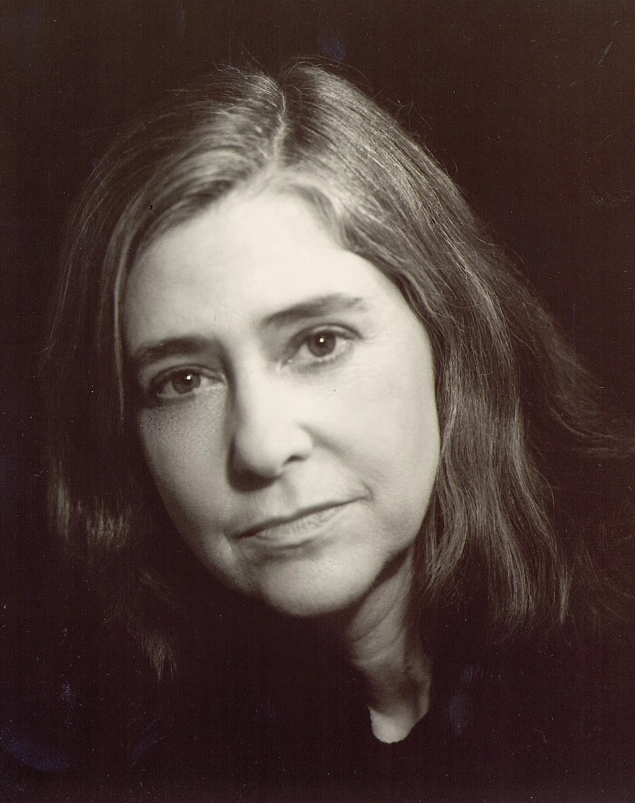
One of them was Margaret Hamilton.
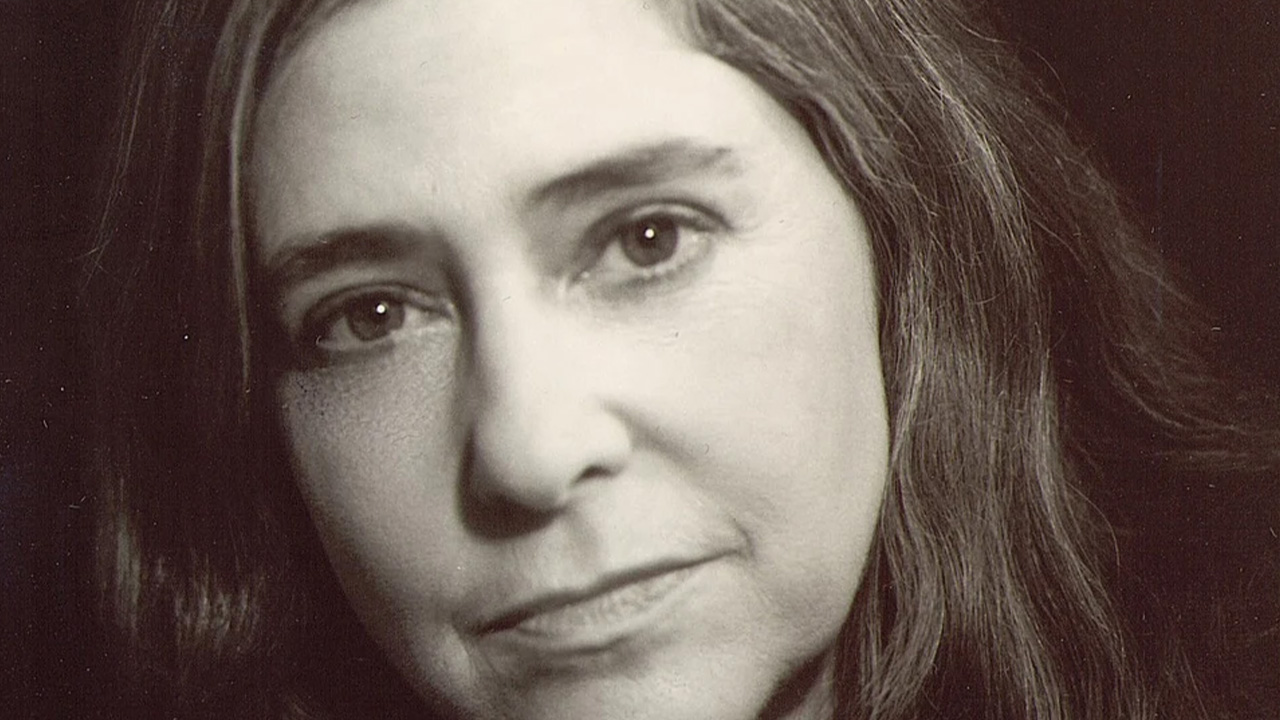
Hamilton, the pioneering computer scientist who led the team responsible for the software that guided NASA’s Apollo missions, died Sept. 30 in Cambridge, Massachusetts. She was 90, according to MIT News.
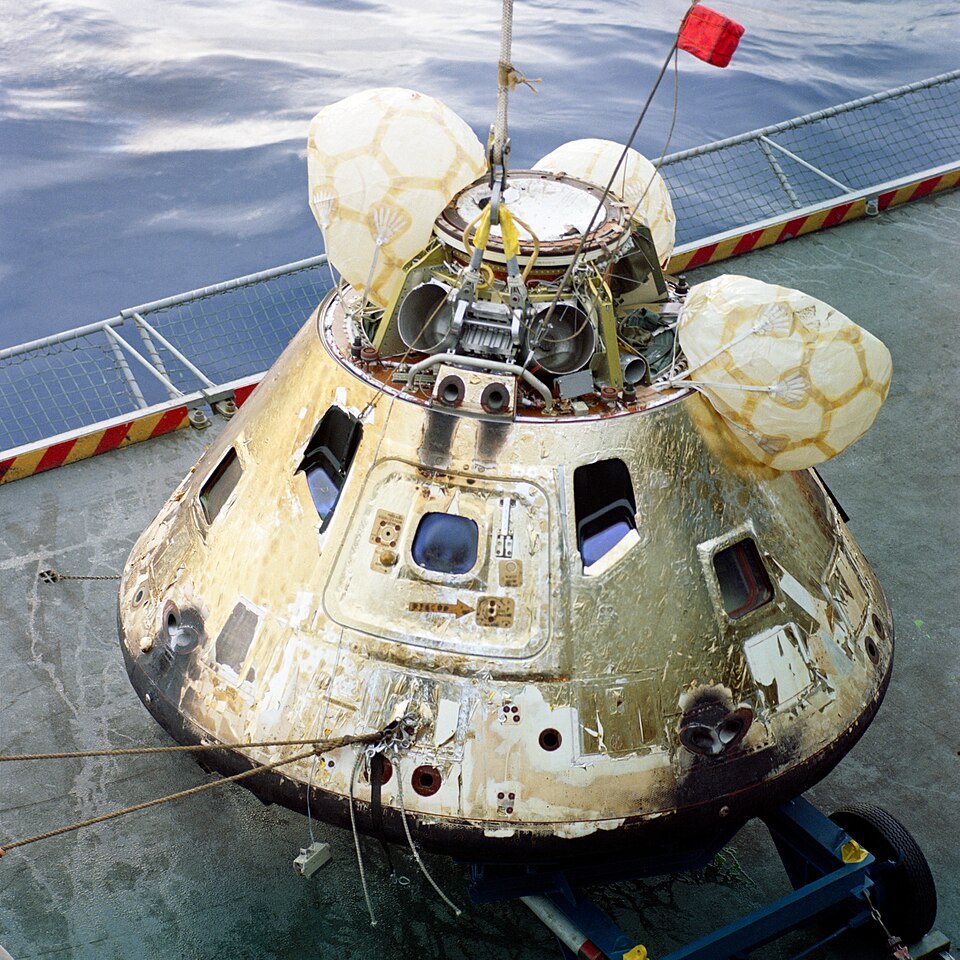
Her work may not have put her in the astronaut seat or made her a celebrity, but when the Apollo 11 mission was in danger, the software Hamilton and her team had built helped make sure the astronauts could continue toward the lunar surface.
And that is exactly why her story deserves to be remembered.
The woman behind the code
Hamilton was born in Paoli, Indiana, and joined MIT’s Instrumentation Laboratory in 1965 after learning that the team was developing the software that would help send humans to the moon.
She became the first programmer hired for MIT’s Apollo project and eventually rose to lead the team developing the onboard flight software for the crewed missions.
At the time, software engineering was still a relatively new field.
Hamilton helped change that.
According to MIT News, she would go on to author more than 130 publications and play a major role in establishing software engineering as a discipline in its own right.
Hamilton built her career at NASA during a time when the women’s liberation movement was gaining momentum. Yet she said she personally did not feel that she was discriminated against while working there.
In an interview, she explained:
“I suppose I was fortunate that my superiors were liberal enough not to let it bother them.”
Despite her demanding schedule, Hamilton made time for her daughter, Lauren, from her first marriage, which ended in 1967.
Balancing her career with motherhood was something Hamilton spoke about openly. She once said:
“My daughter is more of a female liberationist than I am. She believes that a woman should work and fulfill herself.”
When everything almost went wrong
Hamilton and her colleagues were developing technology for something that had never been done before. There was no blueprint, no previous Apollo mission to learn from — they were figuring it out as they went.
”Looking back, we were the luckiest people in the world,” Hamilton later said of her time working on Apollo. ”There was no choice but to be pioneers.”
And they truly were.
Hamilton’s approach to software was built around something that sounds obvious today but was revolutionary at the time: expect things to go wrong.
She believed software should be designed to anticipate mistakes and respond to problems rather than simply assuming everything would work perfectly.
That philosophy would become crucial during Apollo.
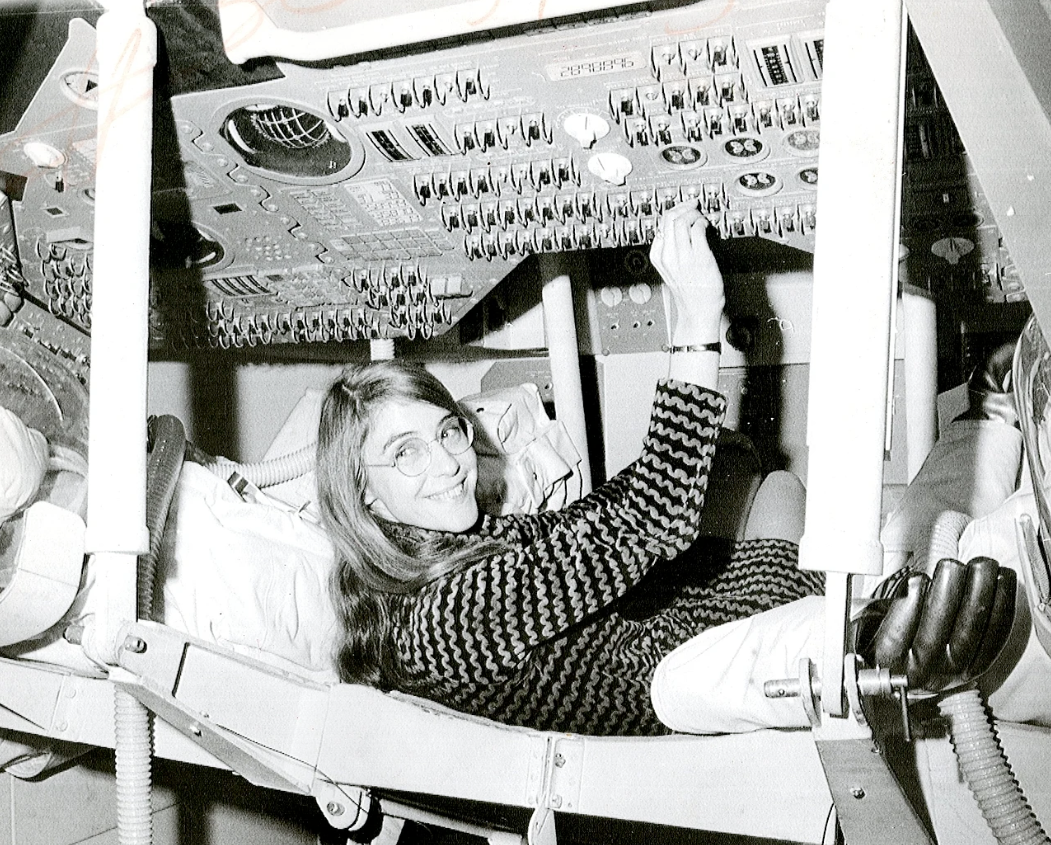
Years before the famous moon landing, Hamilton’s young daughter Lauren accidentally triggered a program while playing with a simulator at MIT.
The simulator crashed.
Hamilton realized that something similar could potentially happen during an actual mission and proposed a software change to prevent it.
She was initially overruled because officials believed trained astronauts would never make the same mistake.
Then, during Apollo 8, command module pilot Jim Lovell accidentally did exactly what Hamilton had warned about.
The resulting problem caused critical navigational data to disappear.
Hamilton and her team were called in to solve it.
Afterward, the changes she had proposed were incorporated into the program.
It was an early example of what became known as defensive programming — designing systems to anticipate human error and protect against it.
That philosophy would soon face its biggest test.
Saving Apollo 11
On July 20, 1969, Neil Armstrong and Buzz Aldrin were preparing to land on the moon.
Then the Apollo Guidance Computer began sending alarms.
The computer was being overloaded by a problem involving the system’s hardware.
For a moment, the mission was facing a potentially catastrophic situation.
But Hamilton’s team had designed the software with a crucial feature: it could prioritize the most important tasks while pushing less critical work aside.
Instead of simply collapsing under the overload, the computer continued handling the information needed for the landing.
Mission Control trusted the system.
The landing continued.
And Armstrong and Aldrin became the first humans to walk on the moon.
Hamilton later reflected on just how much was riding on their work.
“There was no second chance. We knew that. We took our work seriously, many of us beginning this journey while still in our 20s. Coming up with solutions and new ideas was an adventure. Dedication and commitment were a given. Mutual respect was across the board. Because software was a mystery, a black box, upper management gave us total freedom and trust. We had to find a way, and we did.”
Photograph made her famous
For much of her career, Hamilton was hardly a household name.
Then a photograph began circulating online.
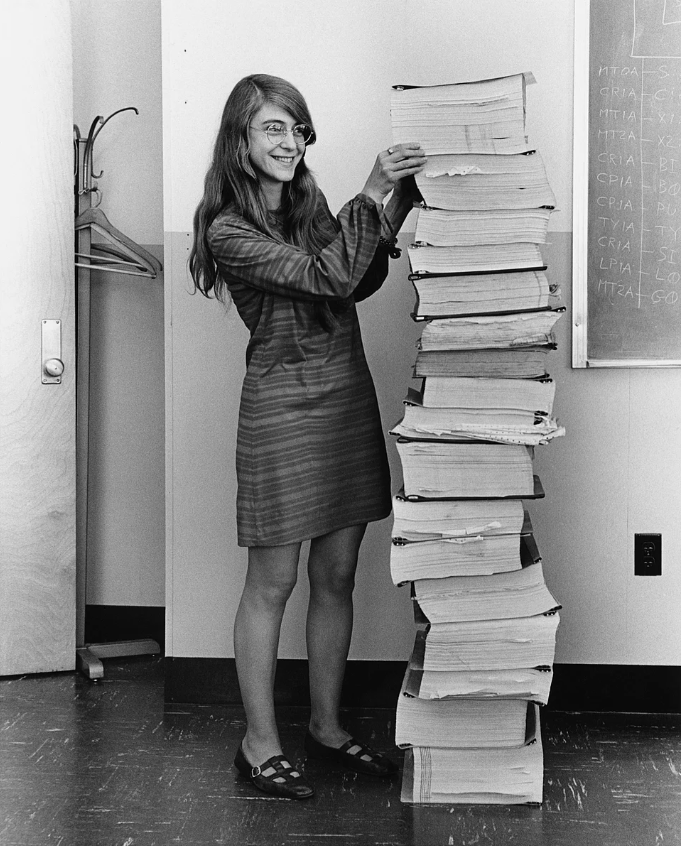
It showed the 5-foot-4 computer scientist standing beside an enormous stack of printed Apollo code — a physical representation of the work that helped carry humans to the moon.
The image became iconic.
And suddenly, a woman whose work had been hidden behind computers, equations and thousands of lines of code was becoming recognizable to a new generation.
Hamilton received numerous honors over the years, including NASA’s Exceptional Space Act Award, the Computer History Museum Fellow Award and induction into the National Aviation Hall of Fame.
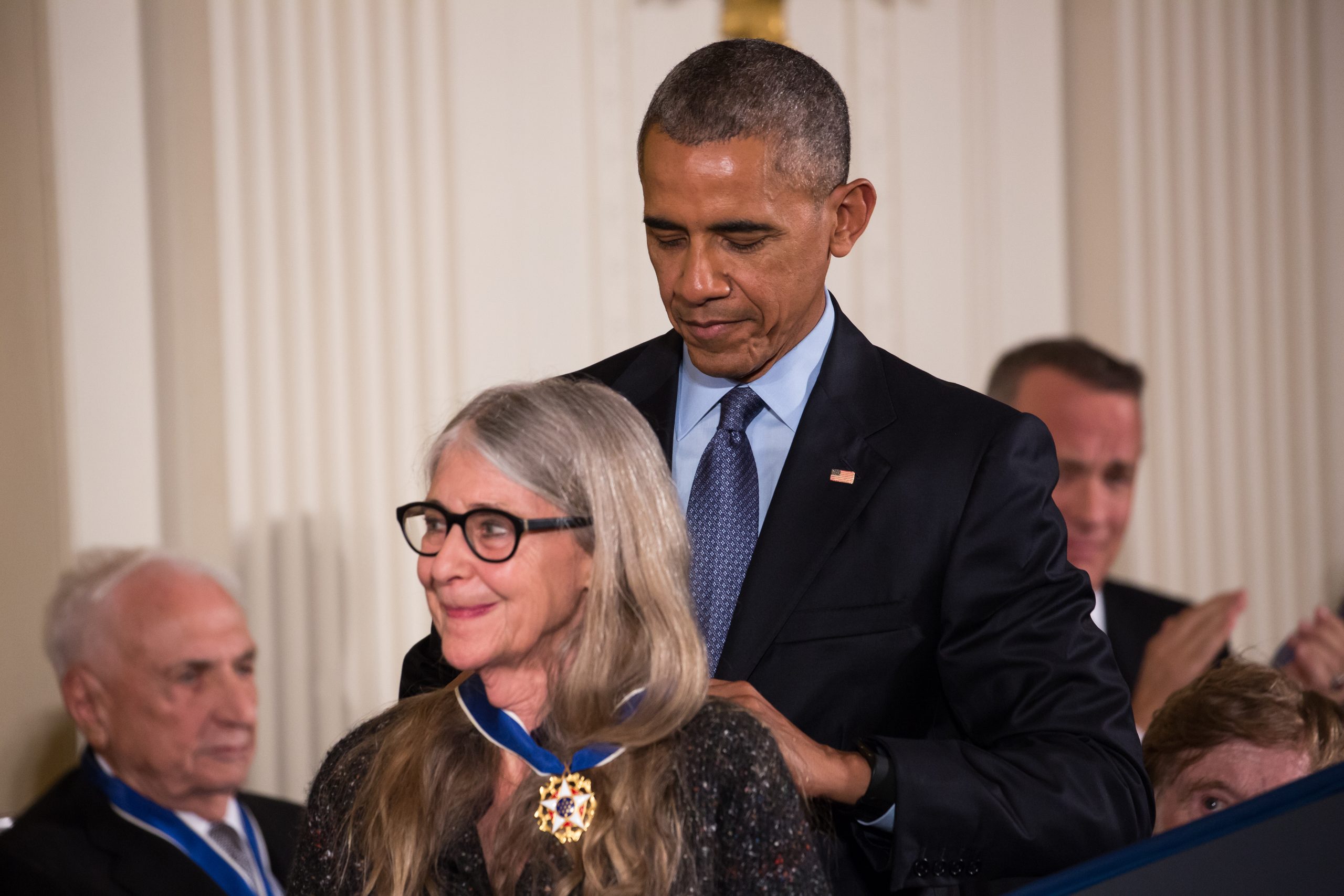
In 2016, President Barack Obama awarded her the Presidential Medal of Freedom.
The citation recognized the enormous significance of her work, noting that “Hamilton defined new forms of software engineering and helped launch an industry that would forever change human history.”
She later became a symbol of what women could accomplish in science and technology. She was also honored as an official LEGO minifigure and saw the Apollo software she helped develop made publicly available through GitHub.
Remember the names we didn’t know
It is easy to remember the astronauts.
Their names are written into history books. Their photographs have been seen by billions of people. Their stories have been turned into movies, documentaries and monuments.
But great achievements rarely belong to one person.
They are built by teams of people working late nights, solving problems nobody has solved before and quietly making sure everything works when the moment finally arrives.
Margaret Hamilton was one of those people.
She was a pioneer, a scientist, an engineer, a leader and a woman who helped write the code that carried humanity to another world.
She may not have taken the famous first step onto the moon.
But without women like Margaret Hamilton working behind the scenes, that step might never have happened.
Hamilton is survived by her daughter, Lauren Hamilton; son-in-law Richard Selesnick; two grandsons; four great-grandchildren; and her siblings, John, David, and Kathryn.
READ MORE
- These were Christa Pike’s first words after execution attempt left her unconscious for days
- Melania faces “unusual burden” as Donald Trump and Natalie Harp drama unfolds