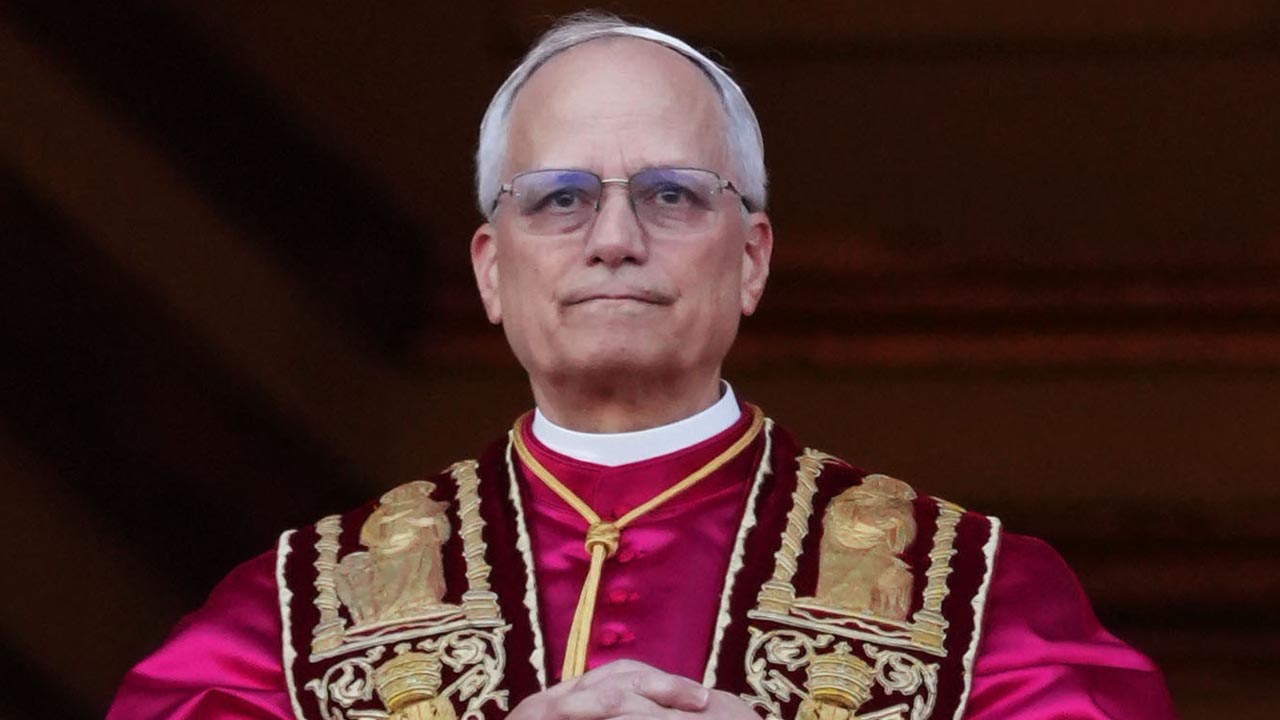
Pope Leo XIV has received some deeply encouraging news following his recent lung cancer surgery.
Doctors say the cancer was found to be confined to his lung — and, for now, he does not need any additional cancer treatment.
But doctors are still urging caution.
Removed the lower lobe of his right lung
The Vatican shared the reassuring update after specialists completed their examination of the tissue removed during the pope’s operation.
Doctors Luigi Carbone and Stefano Margaritora confirmed that the tumor was a lung adenocarcinoma, the most common type of non-small cell lung cancer.
But the results also showed something far more encouraging: the disease was localized and had not spread beyond the area that was removed.
That was followed by an assessment from cancer specialists, who determined that no further treatment was necessary.
Leo underwent surgery on October 13 at Rome’s Gemelli Hospital, where surgeons removed the lower lobe of his right lung. The procedure was performed using a minimally invasive, video-assisted technique rather than a traditional large incision.
The operation itself lasted around 90 minutes, although the pope spent approximately three hours in the operating room. Doctors said the surgery went successfully and there were no complications.
Important step in his recovery
His recovery has also been encouraging.
After five days in the hospital, Leo was discharged on October 17 and returned to the Vatican. Before leaving, he personally thanked the doctors, nurses and medical staff who had cared for him.
Just one day later, he appeared at the window of the Apostolic Palace and greeted the thousands of people gathered in St. Peter’s Square. At his Angelus, he thanked those who had prayed for him and said he had truly felt their support. He also said he would gradually return to his normal activities.
And he has already begun doing exactly that.
First words after surgery
On October 21, Leo returned to St. Peter’s Square for his weekly General Audience, marking an important step in his recovery.
He also made a welcome return to public life on Sunday, appearing before thousands gathered in St. Peter’s Square.
The 71-year-old pontiff smiled as he addressed the crowd in what marked his first major public appearance since doctors removed part of his right lung during surgery at Rome’s Gemelli Hospital. He used the occasion to call for an end to violence in Yemen and to pray for victims of a recent attack in Jordan.

Leo also thanked those who had supported him with their prayers during his recovery.
“I would like to thank all the people who have been praying for me in these days,” the pope told the crowd.
And with his recovery moving in a positive direction, he signaled that he plans to slowly get back to his usual responsibilities.
“Having overcome this delicate phase, as you know, I will now gradually resume my activities,” he said.
Unclear future
The pope appeared well during the appearance, smiling and speaking normally as he reassured the faithful that he was ready to begin returning to his work — although at a more gradual pace.
But doctors are still urging caution.
Because the surgery was still so recent, doctors have advised him not to make the planned helicopter journey to Assisi on October 27. The Vatican subsequently announced that Leo would skip the visit and instead send a message to those attending the interfaith peace gathering.
The decision appears to be a precaution rather than a sign of a setback.
And there is still some uncertainty surrounding his longer-term schedule.
Leo is due to travel to Uruguay, Argentina and Peru from November 6 through 17. His surgeon has said there is no medical reason at present that would prevent the trip, although Vatican officials have indicated that his schedule and pace may need to be adjusted as he continues recovering.
The prognosis and signs
The prognosis for pulmonary adenocarcinoma can vary greatly depending on how early the cancer is discovered and whether it has spread.
According to the latest U.S. SEER data, the five-year relative survival rate for lung adenocarcinoma is about 74% when the cancer is still localized, compared with about 49% when it has spread to nearby areas and 14% when it has reached distant parts of the body.
Those figures help put Leo’s diagnosis into perspective. Doctors have said his cancer was confined to his lung, placing him in the category associated with the most favorable outlook. His medical team has also determined that he does not require additional cancer treatment following surgery.
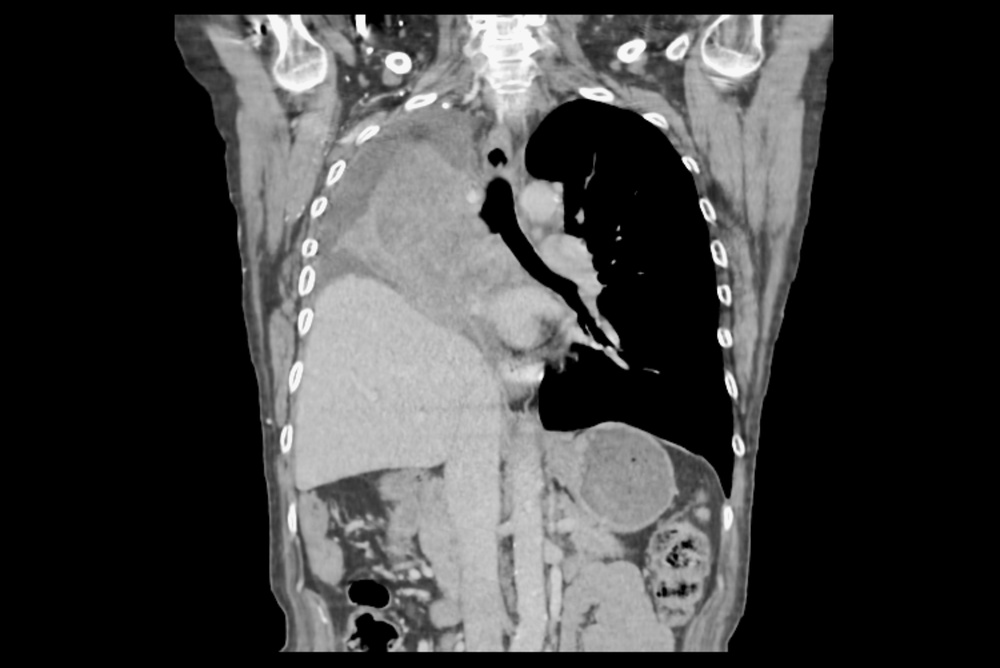
Pulmonary adenocarcinoma doesn’t always cause obvious symptoms in its early stages, which can make it difficult to detect.
When symptoms do appear, they can include a persistent or worsening cough, chest pain, shortness of breath, coughing up blood, unexplained weight loss, fatigue, and recurring respiratory infections.
Because these symptoms can also be caused by many less serious conditions, they don’t necessarily mean someone has lung cancer. But persistent or unusual changes are worth having checked by a doctor — especially when they don’t go away.
READ MORE
- “American Covid” eye symptom explained as brutal new strain on the rise
- Looney Tunes icon dies ‘suddenly’ aged 46