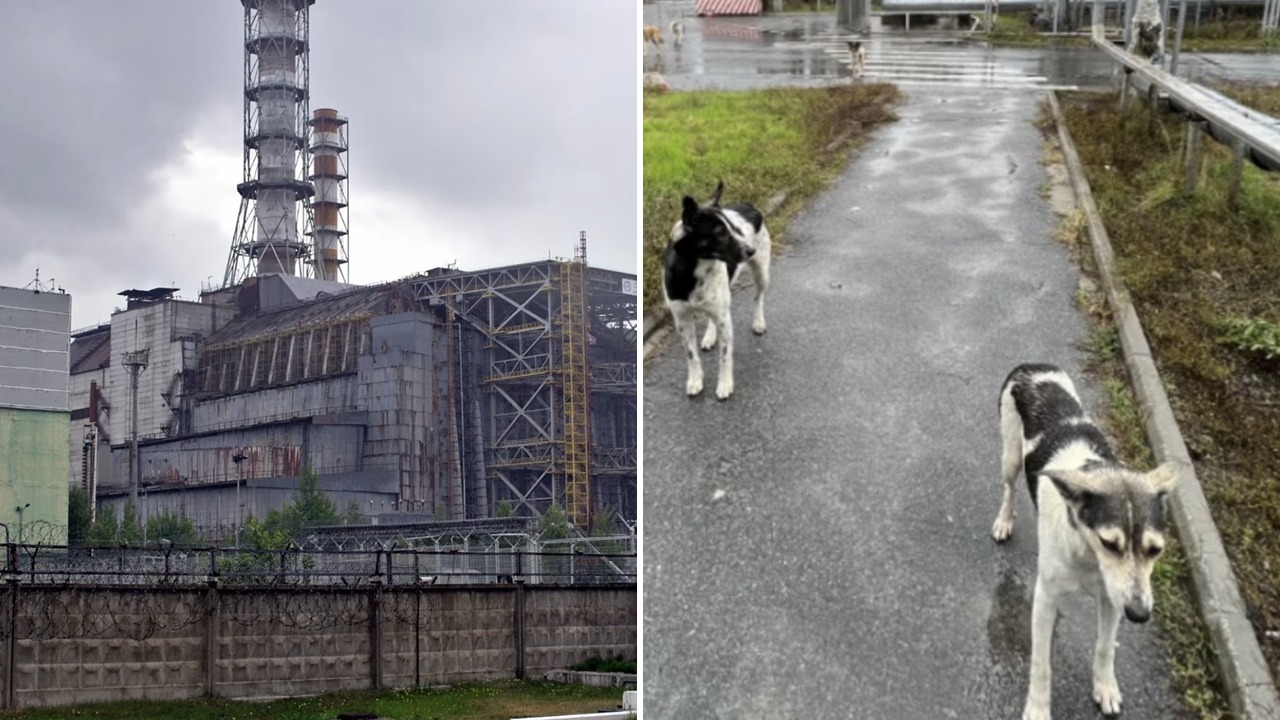
Wolves, dogs and frogs have taken over the Chernobyl Exclusion Zone since the 1986 disaster. Many people think they’re mutants, but scientists now say it’s something different entirely that’s going on.
Reactor number four exploding at the Chernobyl nuclear power plant on April 26, 1986, is the worst nuclear disaster in history. Radiation spread across Europe and was picked up as far away as Sweden.
Dozens of people died from acute radiation sickness in the weeks after the blast, and many more developed serious illnesses later. More than 100,000 people were evacuated, and the area around the plant is still considered unsafe for humans to live in. Animals, however, do live in the area.
Wolves, wild horses, dogs, birds and frogs now live inside the Chernobyl Exclusion Zone. And for years, people have assumed they must be mutants, but this is not the case.
The dogs aren’t mutants
Science content creator Anton Petrov recently explained what really is going on in a YouTube video titled “Animals in Chornobyl Aren’t Mutating, Something Stranger Is Happening.”
Researchers took blood samples from more than 300 feral dogs in the zone. The ones living at the power plant turned out to be genetically different from dogs in Chernobyl city, about 10 miles away.
While this may sound like mutation, it actually isn’t.
A follow-up study found no sign of a higher mutation rate. The differences seem to come from natural selection – dogs that already had superior genes for the conditions, were more likely to survive and have puppies. After 30 generations, those genes became more common.
The same can be seen below ground: tiny worms collected from the radioactive soil showed similar patterns. In fact, when scientists studied their genomes, no signs of radiation damage could be found.
Frogs that turned black
Some animals have changed on the outside, too.
Eastern tree frogs living closer to the reactor are much darker than frogs outside the zone. Some are almost completely black, instead of the species’ usual bright green. Researchers think the dark pigment melanin helps protect their cells from radiation.
Then there are the wolves. Their numbers in the zone are about seven times higher than in nearby nature reserves. Researchers have found differences in genes connected to their immune system and DNA repair, which could be a sign they’re adapting to life with constant radiation.
Petrov does point to another big reason the animals are doing so well: there are no humans around to hunt or disturb them.
These findings could hopefully one day help develop treatments for human diseases, like cancer.