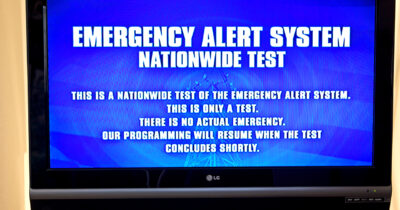
UK households are being encouraged to prepare for the possibility of a major national emergency by making sure they have enough essential supplies to last at least three days — and that includes keeping some cash close at hand.
The warning comes as part of the government’s Be Ready campaign, which aims to help the public prepare for severe disruption to everyday services. One of the worst-case scenarios included in emergency planning is known as a ‘black sky event’, which could involve a major failure of the electricity grid.
Such an incident could leave large parts of the country without electricity, internet access or the services that rely on them, potentially making everyday tasks considerably more difficult.
According to The Express, the Department of Health and Social Care drafted statements last December that could be broadcast on BBC radio in the event of a black sky emergency.
Why households are being told to prepare for 72 hours
The government is urging people to build up enough supplies to manage for three days without relying on normal services.
That means having essential items such as food, drinking water, medication and other household necessities available in case support and services are disrupted.
Last month, the Cabinet Office issued updated guidance outlining a few simple steps people can take to improve their preparedness for emergencies involving severe disruption to the UK’s infrastructure.
The department explained that recent extreme weather events had highlighted how quickly everyday services can be affected.
A spokesperson said, “With storms last winter and the wildfires this summer showing how severe weather events can cause disruption to our everyday lives and impact the services we rely on, from phone signal to water and the internet, launching the campaign brings the UK into line with European peers who all run similar campaigns already.”
The campaign also includes a dedicated Be Ready website, where households can find practical advice on preparing for emergencies.
How much cash should you keep at home?
One of the recommendations is to have a mixture of banknotes and coins available, alongside payment cards.
This is because electronic payment systems and cash machines could become unavailable during a major power or infrastructure failure.
The government does not specify one fixed amount that everyone should keep at home. Instead, it says the appropriate amount will depend on each household’s individual circumstances and the essentials they may need to buy.
The Be Ready website states, “Cash (mix of coins and notes) and cards, in case electronic payments or ATMs are disrupted. The amount of cash you should keep depends on your family’s specific needs for essentials.”
Other important items to have ready
Cash is just one part of the government’s emergency preparation advice.
Households are also encouraged to keep printed copies of important documents, including passports, birth certificates and insurance details. Instructions for any medical equipment they rely on should also be kept somewhere accessible.
The website recommends writing down important emergency contact numbers, including details for anyone who might need checking on during a crisis.
People are also advised to keep a written list of any regular medication they take, along with the relevant doses.
Importantly, the government stresses that preparing for an emergency does not have to happen all at once.
The Be Ready website explains, “Being ready for 3 days helps you manage while support reaches those most in need.
“Doing this is easier than you might think. You could have some of the items at home already.
“You don’t need to do it all at once. Build up your readiness gradually over time by taking it step by step, and picking up an extra item or two when you can.”
The message is simple, households are being encouraged to make a few preparations now, rather than waiting until an emergency leaves them without access to the services they normally depend on.
Share this with others who like to keep themselves up to date with the latest news stories.
Read more: