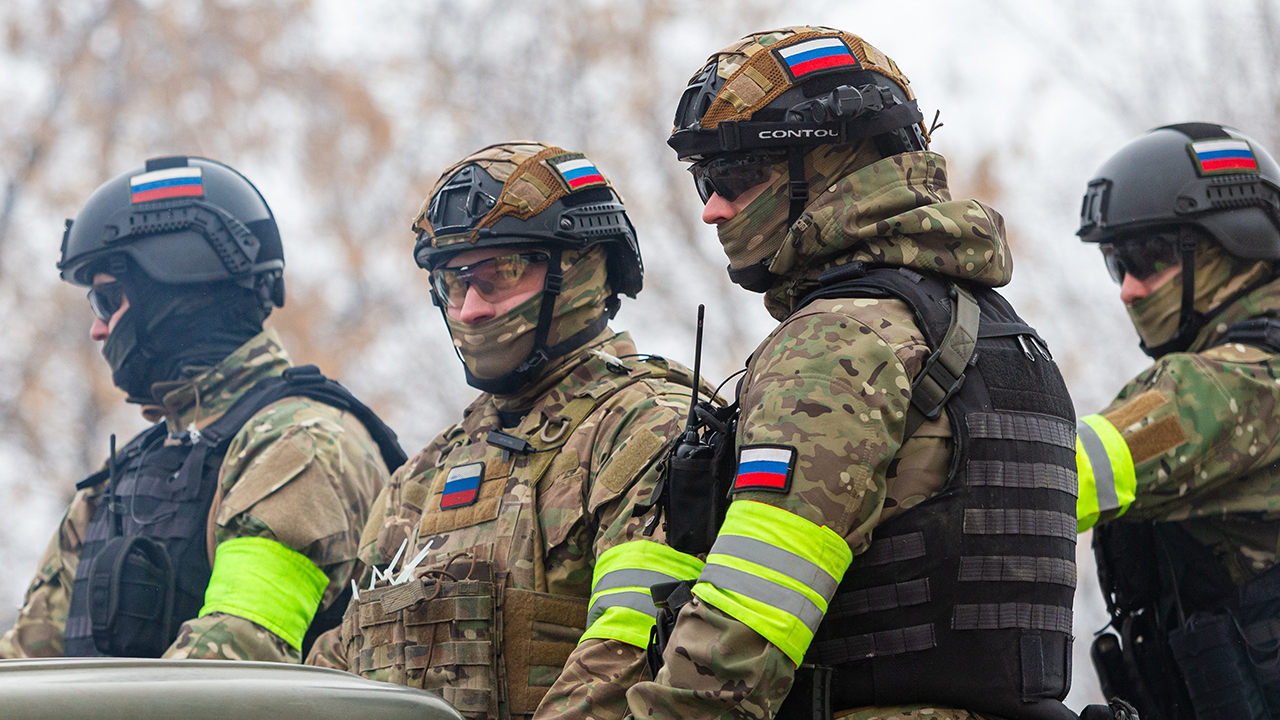
A direct military confrontation between Russia and the United States has long been considered one of the most dangerous scenarios in global security.
Both countries possess enormous military capabilities, including nuclear weapons, and even a limited attack could trigger consequences far beyond the initial damage.
But what would actually happen if Russian President Vladimir Putin ordered an attack on American soil?
A war between Russia and the US might sound like something straight out of a Hollywood disaster movie, but the threat is not entirely far-fetched.
Tensions between Russia and NATO are escalating after Moscow just accused Estonia of bringing the region to the brink of “open war,” raising concerns about security along NATO’s eastern flank.
In its March 2026 Annual Threat Assessment, the US intelligence community warned that Russia has the military and technological capabilities to threaten American interests.
Director of National Intelligence Tulsi Gabbard highlighted the danger in her testimony to Congress, warning:
”The most dangerous threat posed by Russia to the US is an escalatory spiral.”
If a confrontation were to escalate, the decisions made behind closed doors at the White House could determine whether the crisis is brought under control or spirals into something much worse.
The threat is closer than many Americans might think
Russia does not need to invade the United States with ground troops to pose a serious threat to the country.
The Pentagon and American intelligence agencies have spent years assessing the possibility of attacks involving cyber operations, long-range missiles, undersea capabilities and weapons designed to challenge American military superiority.
In its March 2026 Annual Threat Assessment, the Office of the Director of National Intelligence (ODNI) identified Russia as a country capable of challenging American interests through both military and non-military means.
The report specifically highlighted Russian hypersonic missiles, undersea capabilities and developing counterspace weapons.
More importantly, American intelligence officials identified the possibility of an escalating confrontation leading to direct hostilities, potentially involving nuclear weapons, as the most dangerous threat Russia poses to the United States.
That distinction matters. A conflict would not necessarily begin with a declared war or a massive missile strike. It could develop through a series of escalating events, with each side struggling to understand the other’s intentions.
And if Washington misjudged Moscow’s next move, the consequences could be enormous.
The first 24 hours
Imagine waking up to reports of major disruptions across the United States.
Government agencies are investigating cyber incidents. Officials are trying to establish whether critical systems have been compromised.
News organizations are reporting conflicting information, while social media fills with rumors about what is happening.
At first, Americans might not even know whether the incidents are connected.
This is one of the reasons cybersecurity has become such an important part of modern military planning.
The 2026 US intelligence assessment warned that Russia and other state actors continue to seek access to American government networks and critical infrastructure.
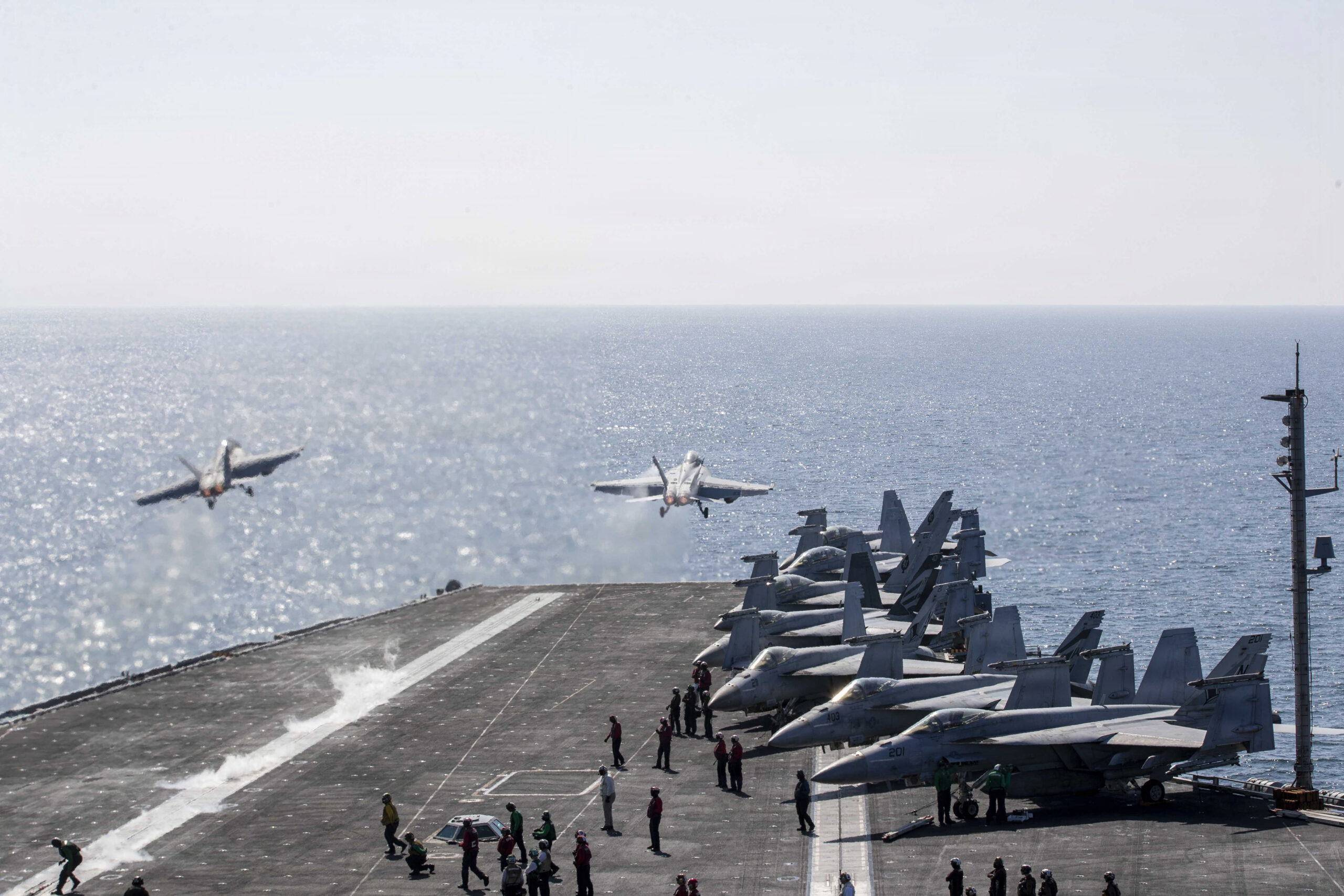
Such operations can provide intelligence, create opportunities for future disruption and put pressure on a country without immediately triggering conventional military retaliation.
In a major crisis, that uncertainty could become a serious problem.
Washington would need to determine whether the disruptions were criminal activity, an isolated cyberattack or part of a coordinated operation connected to a larger military confrontation.
Meanwhile, the president and senior national security officials would be receiving intelligence briefings as the military assessed the possibility of further escalation.
The central question would be whether America was witnessing the beginning of an attack or simply another attempt by Moscow to intimidate the West.
The difference could determine everything that happens next.
Hours 24–48
As the crisis deepened, the focus would increasingly shift to the American military.
The United States has extensive systems designed to detect incoming threats, protect its territory and maintain the ability to respond even under extreme pressure.
Military commanders would be expected to assess the situation, review intelligence and prepare for the possibility of further attacks. The president would also be in contact with military leadership and America’s closest allies.
One particularly important concern would be NATO.
Although the United States is geographically separated from Russia by thousands of miles, it is deeply connected to European security. If Russia were to launch a wider military offensive, the consequences could extend far beyond the continent.
Richard Hooker of the Atlantic Council has warned that Russia could move quickly to seize Norway’s Svalbard archipelago, either by sending ships from its Northern Fleet or flying airborne troops in from northern Russia.
For the United States, such a move could create a major security crisis.
Since Norway is a NATO ally, a Russian occupation would put pressure on Washington and its European partners to respond, potentially bringing the alliance into a direct confrontation with Moscow.
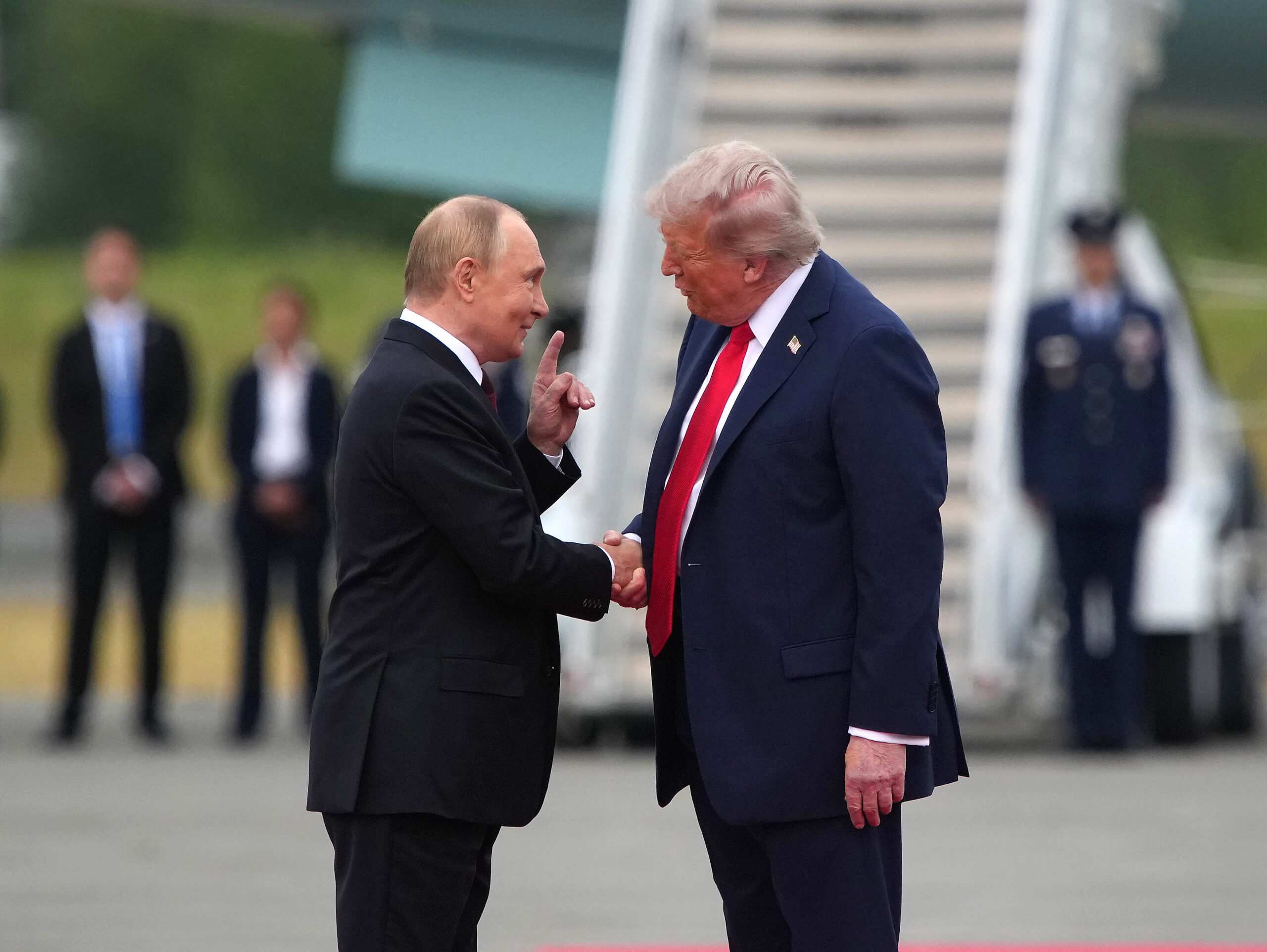
Under Article 5 of NATO’s founding treaty, an armed attack against one member is considered an attack against all. However, each member determines what action it considers necessary, and the response is not automatically a declaration of war.
For Moscow, that uncertainty could make the situation even more complicated.
A Russian attack might be intended to pressure Washington into backing down.
But instead of weakening American resolve, it could bring NATO members closer together and trigger a far-reaching response. There would also be another concern: the possibility of additional attacks.
Even if the initial incident appeared limited, American officials could not safely assume that the danger had passed.
Hours 48–72
By the third day, the most serious question would no longer simply be how America should respond to an attack.
It would be how to prevent the conflict from becoming nuclear.
Russia and the United States possess the world’s two largest nuclear arsenals. Both countries maintain systems designed to ensure that their ability to retaliate survives even a devastating attack.
This is the foundation of nuclear deterrence. The knowledge that an attack could result in catastrophic retaliation is intended to prevent either side from using nuclear weapons in the first place.
But deterrence depends heavily on communication, judgment and the ability to understand an opponent’s intentions.
In the middle of a rapidly escalating crisis, all three could be put under extraordinary pressure.
The Atlantic Council has examined the possibility that Russia or China could use limited conventional or nuclear strikes against the American homeland during a wider conflict.
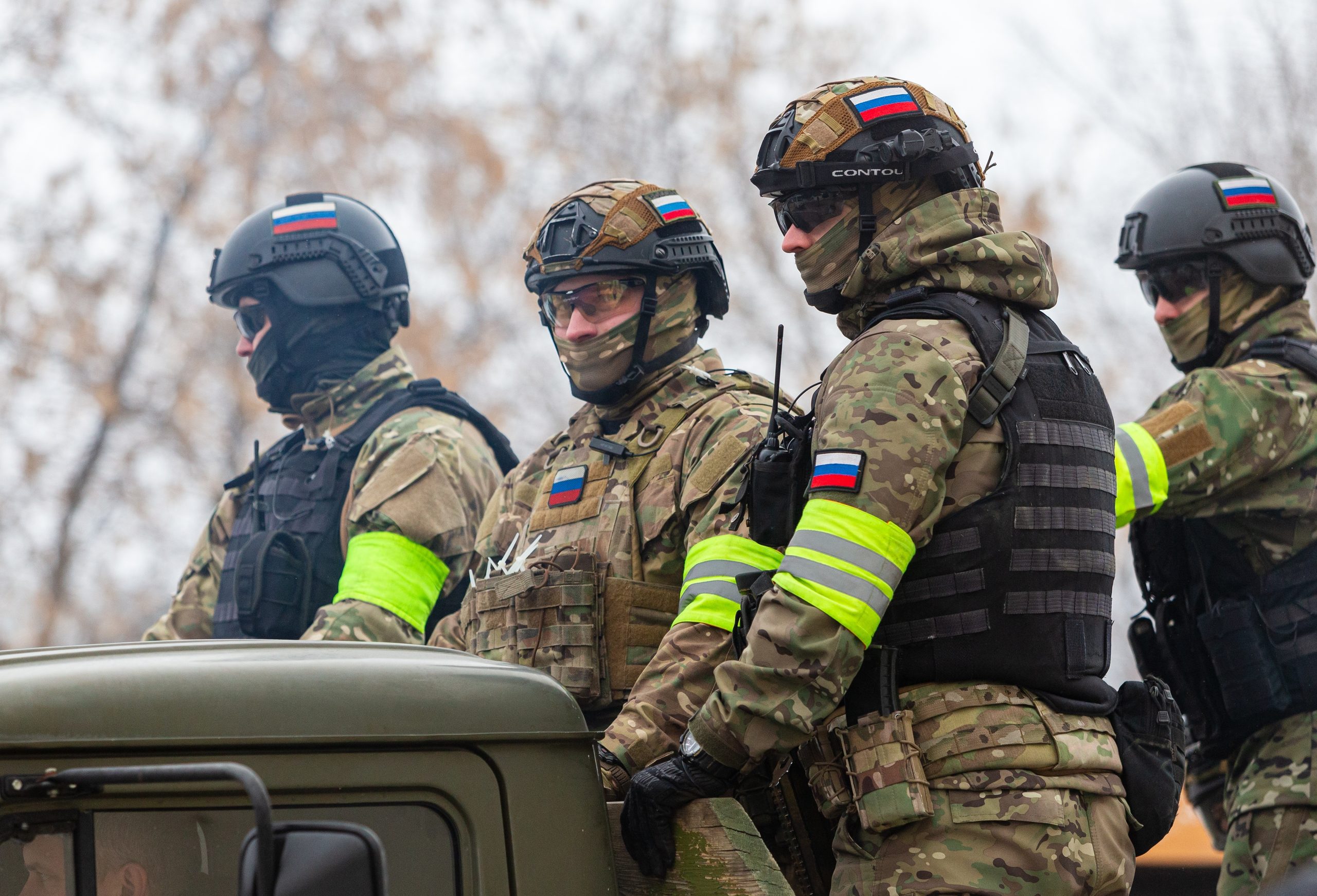
According to its analysis, such attacks could be intended to undermine public support, disrupt America’s ability to move military forces and pressure Washington into ending a conflict on terms favorable to its adversary.
That does not mean such an attack is inevitable, or even that Russia has decided to pursue one.
But it illustrates why American defense experts take the possibility seriously.
A conventional attack could become part of a much larger confrontation. And a misunderstanding between two nuclear powers could have consequences that neither side originally intended.
What would ordinary Americans experience?
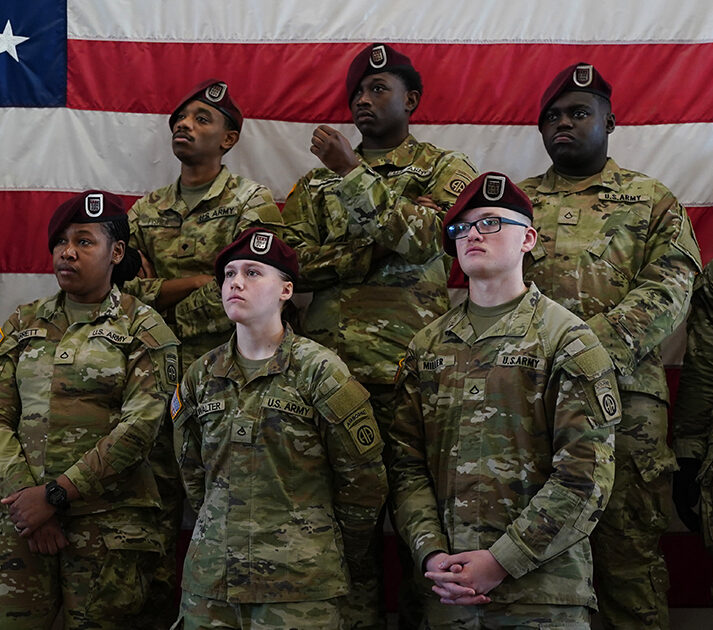
While military commanders and government officials dealt with the crisis, millions of Americans would be left wondering what was happening to their country.
The experience would depend enormously on the nature and scale of the attack.
A cyber operation might cause disruptions to selected government or commercial services. A broader crisis could create uncertainty around transportation, financial markets, communications and public services.
There could also be widespread anxiety, especially if officials struggled to provide clear information.
Air travel and other essential services might face additional security measures. Government agencies could issue public warnings, while news networks would provide continuous coverage.
But it is important to distinguish between what is possible and what is likely.
There is no credible basis for claiming that every American city would suddenly lose electricity, that the banking system would collapse or that the entire country would be plunged into chaos.
The reality would depend on what was attacked, how extensive the damage was and how effectively American authorities responded.
One thing, however, is almost certain: a direct military confrontation between Washington and Moscow would send shockwaves through the global economy and international security system.
How concerned are you about the possibility of a military confrontation between Russia and the United States? Do you think such a conflict could become a reality? Let us know your thoughts in the comments.
READ MORE
- One move people can make to ensure they won’t get conscripted if WW3 happens
- Expert reveals 5 foods people should be stockpiling as Pentagon unveils 90-day survival plan