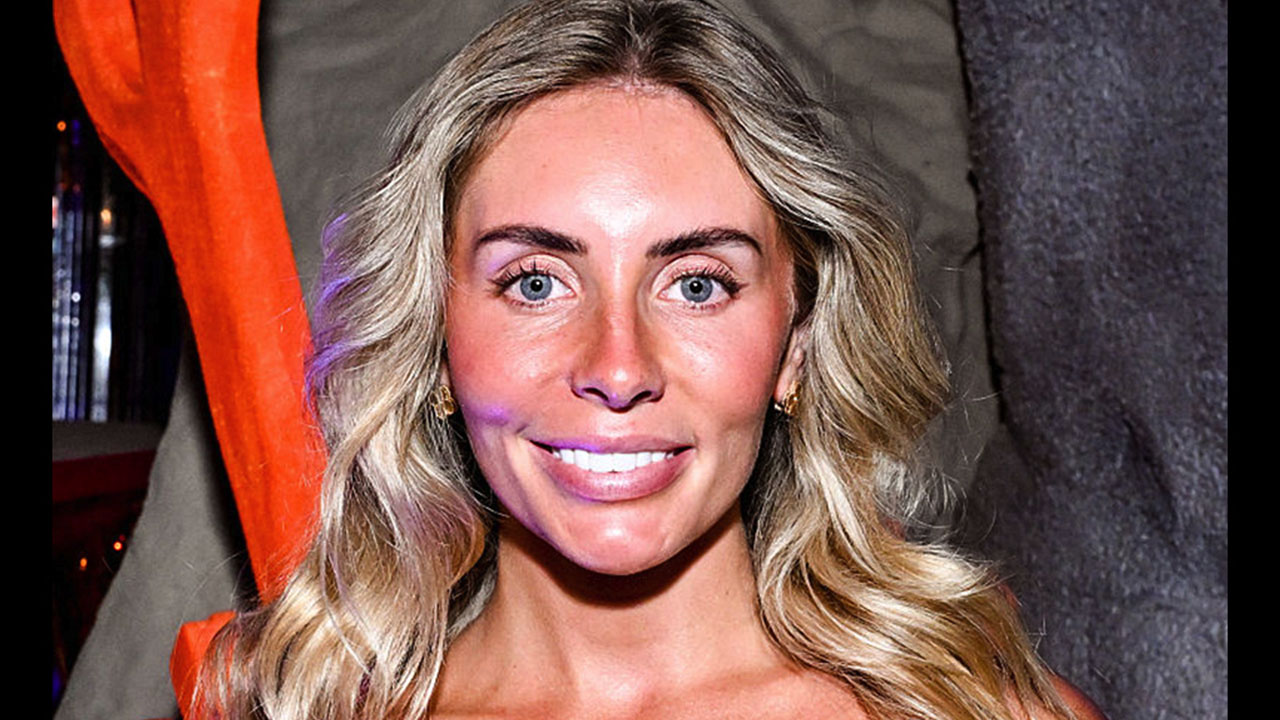
A child protection lawyer has called for a safeguarding assessment involving adult content creator Bonnie Blue’s child.
Bonnie Blue, whose real name is Tia Billinger, has faced growing criticism over how she’s incorporated her baby into her public persona since giving birth last month. This week, child protection lawyer Nieki Shaw spoke out on TikTok, saying she believes the situation warrants formal review.
“I cannot get away from the baby’s identity being dragged into her stunts, brands and rage-bait,” she said.
“It’s so deeply disturbing and I believe it constitutes safeguarding.”
Why she believes it qualifies as a safeguarding issue
Shaw explained that safeguarding concerns aren’t limited to physical harm.
“Section 31 of the Children Act defines harm to include ill-treatment and impairment of a child’s development or health,” she said.
“That ill-treatment does not have to be limited to physical, and safeguarding does actually recognise emotional abuse to include corruption or the exploitation of a child.”
She said her concern centered on the potential emotional impact on the child as he grows older.
“I’m concerned about the public outrage, and I’m concerned about the impact that would have on his emotional development. This warrants a safeguarding assessment, a baby cannot consent to being a part of anybody’s rage-bait strategy.”
This is not the first time concerns have been raised
Blue’s public content involving her child has raised eyebrows before as well. Earlier this month, Conservative equalities spokeswoman Joy Morrissey formally reported Blue to the NSPCC over separate content involving a baby, calling it a matter of “serious safeguarding concerns.”
Lawyer sounds alarm over Bonnie Blue’s newborn being pulled into her online world.
Blue herself maintained that her son is well cared for.
“Becoming a mum hasn’t changed the fact that I’m Bonnie Blue, but I know exactly where Bonnie ends and being a mum begins,” she said.
She also pointed out that legitimate concerns over her child’s wellbeing should be reported to officials instead of voiced online to “score political points” over disapproval of her career, because it might take resources away from children who may genuinely need help.
Read more: