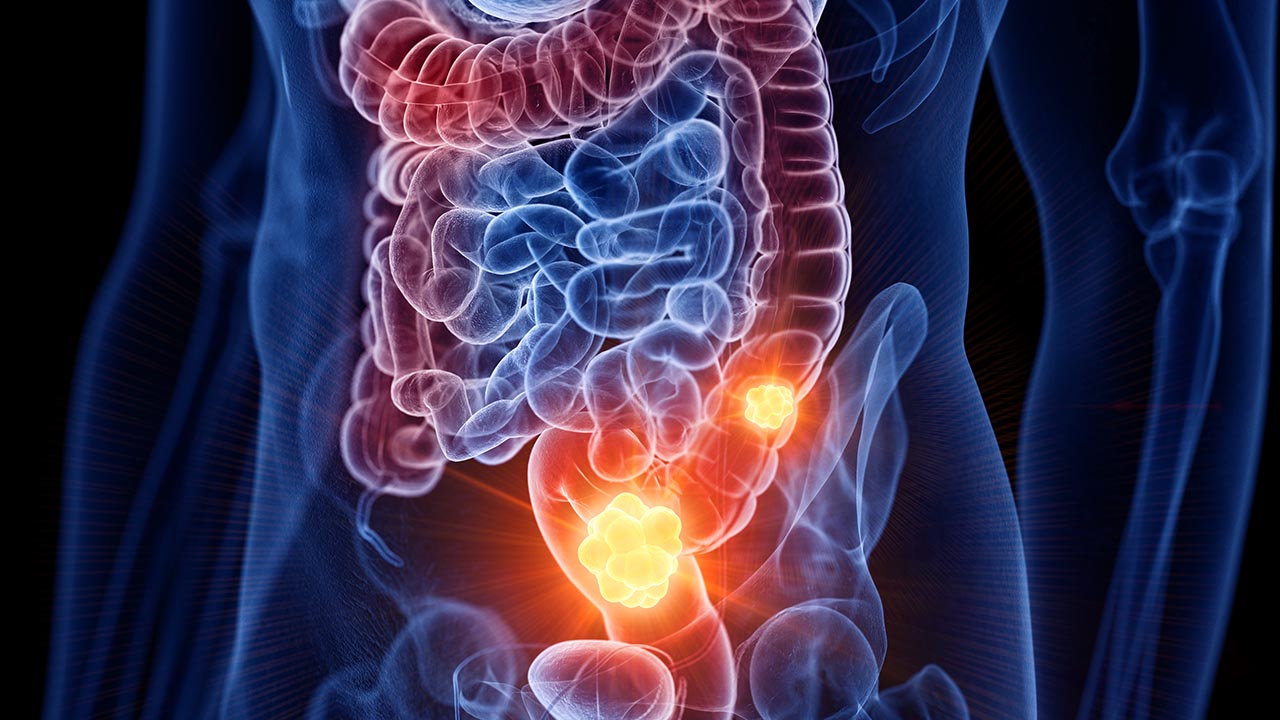
Colon cancer is on the rise around the world, and sadly, it’s no longer just an older person’s disease, as more young people are now being diagnosed. So what can you do to decrease the risk of getting colon cancer? One oncologist has now shared the one type of food he has found in 80 percent of colon cancer patients.
While many might believe there are only older people who get and die from cancer, it isn’t quite right.
For example, whejn ot come to colon cancer, several younger people, including actors James Van de Beek and Chadwick Boseman, as well as Married at First Sight host Mel Schilling, have all passed away from the horrifying disease in recent years.
Cancer can affect anyone, and the fact that colon cancer is affecting younger people shows exactly how dangerous it can be. As science moves forward, we now have many tools to detect many forms of cancer at an early stage, leading to treatment and, hopefully, a cure.
According to the American Cancer Society website, colon cancer is the third-leading cause of cancer-related deaths in men and the fourth-leading cause in women in the United States. However, when combining the numbers for both men and women, it’s the second most common cause of cancer death.
The organization further states that colon cancer is expected to cause about 55,230 deaths in 2026. However, it also reads that “the death rate from colorectal cancer has been dropping by about 1.5% per year in older adults during the past decade.”
Per the Mayo Clinic, these could be symptoms of colon cancer:
- A change in bowel habits, such as more frequent, looser stools or diarrhea, constipation, or changes in stool shape.
- Rectal bleeding or blood in the stool.
- Dark, black-colored tarry stools.
- Iron deficiency anemia, which can cause tiredness, weakness, or coldness in the hands and feet and make the skin look paler.
- Ongoing discomfort in the belly area, such as cramps, gas, bloating, or pain.
- Feeling full soon after eating.
- Feeling that the bowel doesn’t empty all the way during a bowel movement, or having difficulty passing a bowel movement.
- Losing weight without trying.
- A lump in the belly button area.
Expert reveals the same food found in 80% of colon cancer patients’ stomachs
Like many other illnesses or diseases, you can do things to reduce your risk. That, of course, differs from case to case, but when it comes to colon cancer, one oncologist with 17 years of experience has now shared something remarkable.
While alcohol and red meat have been revealed as risk indicators, Dr Tim Titutan, a US-based doctor with a background in cancer research, says that there is one specific category of food that will increase the risk.
Speaking with GB News, Titutan claimed that 80 percent of the people he operated on have eaten either sausages, hot dogs, or smoked and processed meats.
“Processing meat, such as through curing, smoking, salting, or chemical preservation, results in the formation of carcinogenic chemicals called Noc and Pah,” he said.
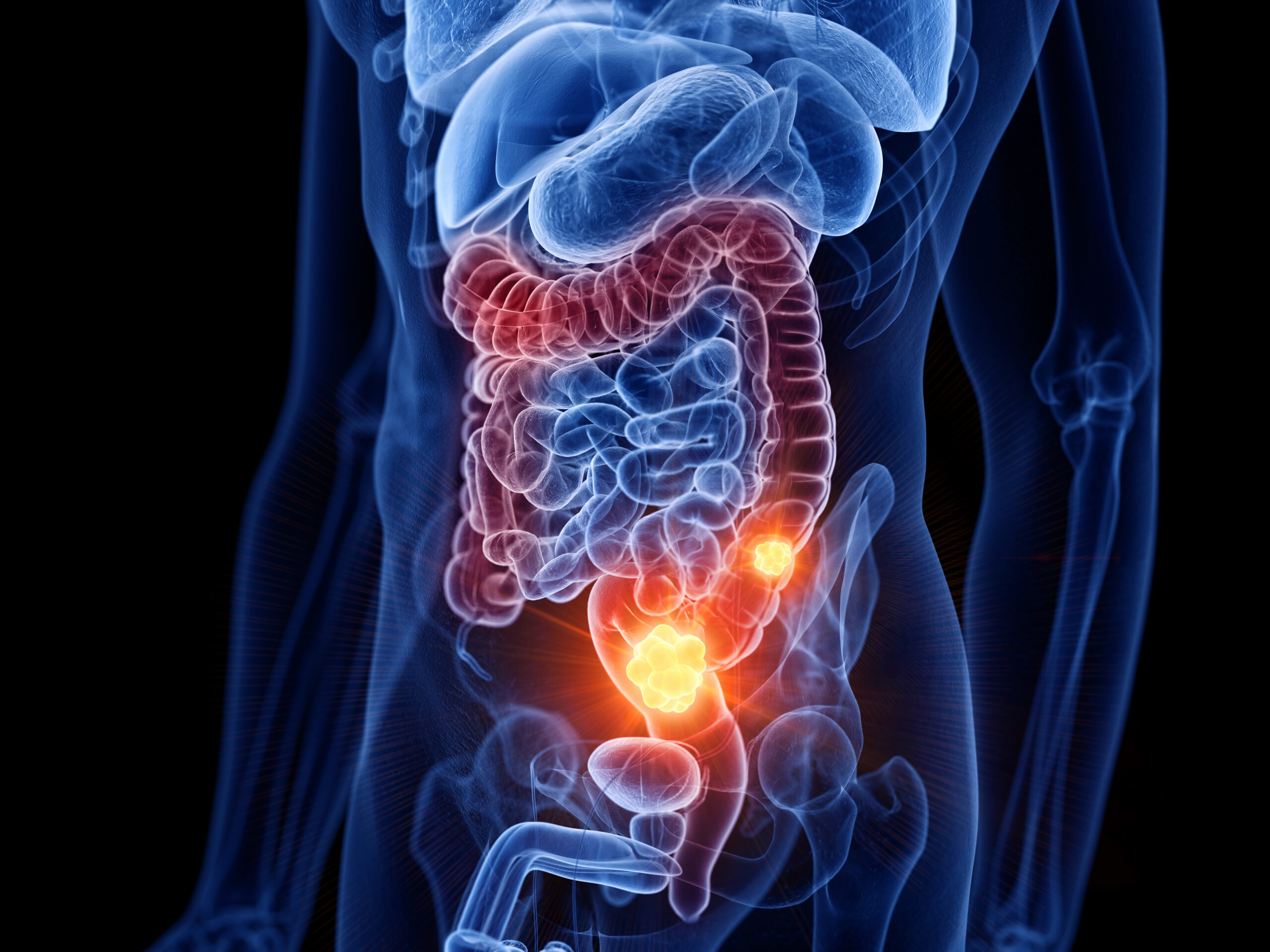
“A study was done showing that eating 50 grams of processed meat a day increased, the risk of colorectal cancer by 18 percent I am not vegetarian, but I do make conscious decisions to lower the amount of processed meat I eat.”
Ultra-processed food “responsible” for many health problems
The World Health Organization classifies processed meat as a Group 1 carcinogen, putting it in the same category as tobacco, alcohol, asbestos and radioactive plutonium.
Another expert, NHS doctor Chris van Tulleken, explained: “There is a decade of evidence now that is extremely clear that it is ultra-processed food that is responsible, not just for pandemic weight gain and obesity, but also for a long list of other health problems, including early death.”
Many health experts believe a poor diet and a high intake of ultra-processed foods can increase the risk of illnesses such as colon cancer. The growing popularity of these foods among young people may help explain why more patients under 40 are now being diagnosed.
Please share this article with friends and family and spread the word about colon cancer symptoms to look out for and the expert’s words on what one should and should not eat.
Read more: