With global tensions rising and warnings of a wider conflict growing louder, fears of a U.S. military draft are resurfacing.
If war were to erupt and conscription returned, millions of Americans could find themselves facing the same system that hasn’t been used in more than 50 years.
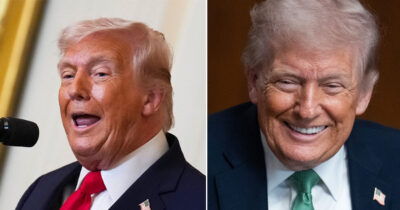
President Donald Trump’s aggressive foreign policy posture, combined with mounting instability in several regions, has fueled growing speculation about what a large-scale war might mean for ordinary Americans.
One of the most dramatic developments came after joint U.S. and Israeli airstrikes inside Iran, which reportedly killed Iran’s Supreme Leader Ali Khamenei. Trump later claimed the operation had been successful, further raising concerns about retaliation and the possibility of a broader regional war.
At the same time, the war in Ukraine has entered its fourth year, creating what analysts describe as the most dangerous East-West confrontation since the Cold War. Russia continues to test advanced weapons systems, while nuclear tensions remain a constant worry as arms control agreements continue to unravel.
Cyberattacks on critical infrastructure have also increased worldwide, and rapid advances in artificial intelligence and autonomous weapons are changing how modern wars could be fought.
Public fears war iminent
Public concern reflects those realities. A recent YouGov survey found that between 41% and 55% of Western Europeans believe another world war could break out within the next five to 10 years, while about 45% of Americans share the same fear. Even more striking, between 68% and 76% believe such a conflict would involve nuclear weapons.
Those fears have also revived discussions about how countries would mobilize their populations if a major war were to break out.
And now, many people are beginning to ask a question that once seemed like a relic of history: what would happen if the United States brought back the military draft?
Trump has dismissed the possibility, calling mandatory enlistment “a ridiculous idea.” But for many Americans, that reassurance does little to calm concerns about how quickly circumstances could change in a major war.
How the US military draft would actually work
The United States has not enforced conscription since 1973, when the country transitioned to an all-volunteer military. However, the legal framework for a draft has never disappeared.
If the government decided that the armed forces needed more personnel during a national emergency, the process would be handled by the Selective Service System (SSS), the federal agency responsible for managing draft registration.
Men between the ages of 18 and 25 are currently required by law to register with the SSS, regardless of immigration status. Registration does not mean someone will automatically be drafted, but it ensures that the government has a database of eligible individuals if conscription ever becomes necessary.
According to the official SSS website, failing to register when required is a federal felony punishable by fines of up to $250,000 or a prison sentence of up to five years.
Beginning in late 2026, registration is expected to become automatic through federal databases, marking the most significant change to draft law in decades.
If a draft were activated, the system would rely on a random lottery to determine the order in which individuals could be called for service.
Who will be drafted first
Under the current Selective Service system, men who have a 20th birthday during the year of the draft lottery will be called first.
If the military needed additional personnel after that group was exhausted, the lottery would expand to include men aged 21, then 22, 23, 24 and 25. Only after those age groups were used would the system move to younger registrants.
That means 19-year-olds would be next, followed by men who are 18 and a half.
Being selected through the lottery would not automatically send someone into military service, however.
Each individual would still undergo medical screenings, background checks and eligibility evaluations before induction.
Possible draft exemptions
While many people worry they could be forced into combat, several categories of individuals would likely qualify for deferments or exemptions.
- Women are currently not required to register for Selective Service, despite serving in nearly every role within the modern U.S. military. Unless Congress changes the law, they would not be part of a draft.
- People with significant medical or mental health conditions could also be exempted. Chronic illnesses, disabilities and serious psychological conditions would likely disqualify someone from military service.
- Conscientious objectors who oppose war for moral or religious reasons may apply for a special status. If approved, they could be assigned to non-combat roles or alternative national service such as healthcare work.
- Students have historically been granted deferments, particularly if they are close to finishing degrees, although policies can vary depending on the scale of the conflict.
- Workers in critical industries may also be redirected away from combat roles. Doctors, engineers, cybersecurity specialists and artificial intelligence experts could instead be placed in defense-related support positions.
- Parents, primary caregivers and individuals facing significant family hardship could qualify for additional deferments as well.
Why the draft still exists in US law
The idea of a military draft may feel like a relic of the past, but the system remains part of U.S. law for a reason.
Military planners maintain that a large-scale war could potentially overwhelm the volunteer force, particularly if a conflict required sustained operations across multiple regions.
Keeping the SSS in place ensures that the government could rapidly expand the armed forces if necessary.
For now, there are no formal plans to reinstate the draft. But with geopolitical tensions rising and governments preparing for worst-case scenarios, the possibility of conscription feels closer to reality than it has in decades.
Do you think the world is heading toward another major war? Share this story and join the conversation.
READ MORE
- Top 10 safest places if World War 3 broke out
- This would happen in the first terrifying 72 hours of World War 3