Several sailors and their families have described troubling conditions aboard the USS Abraham Lincoln, while others have dismissed the reports as “fake news.”
But one mother’s account of what her son has told her offers a deeply personal and heartbreaking glimpse into life aboard the warship.
The USS Abraham Lincoln has been deployed in the Middle East since December 11 as part of the U.S.-Iran war. Reports from the Military Times and Stars & Stripes have raised concerns about food shortages, broken plumbing and exhaustion.
Some relatives have also expressed fears about deteriorating mental health among sailors, including reports that some crew members have attempted to jump overboard.
One relative told the BBC that a sailor had lost 65 pounds and was suffering from severe exhaustion after months of constant noise and vibration.
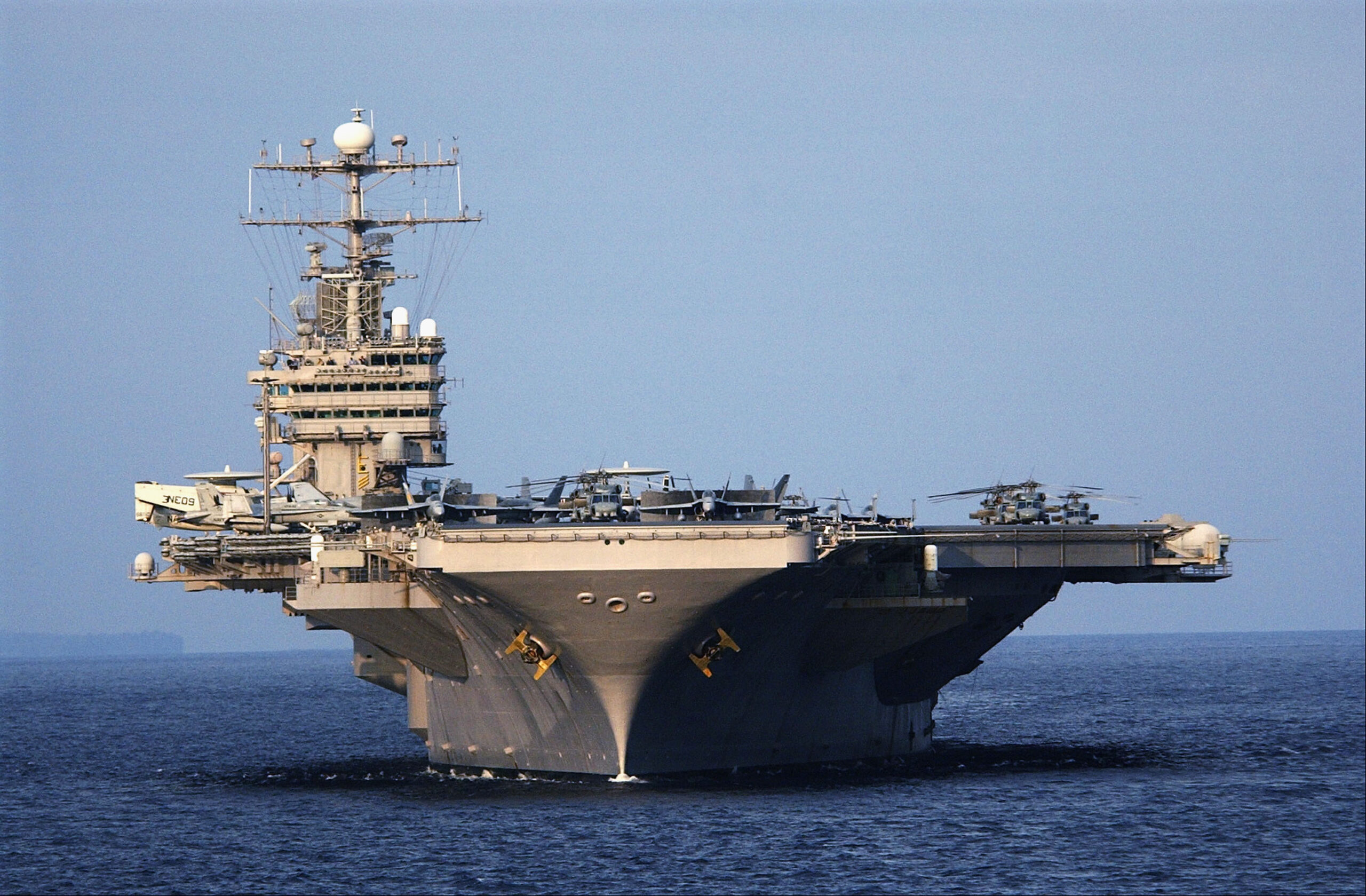
Another sailor aboard the USS Abraham Lincoln reportedly sent his mother a chilling message asking her to “just get me a gun and a bullet” as concerns continue to mount over the mental health and living conditions of the crew.
The sailor’s mother, Danielle, told TMZ that her son had just completed a 16-hour shift when he sent her a photo of his meal. She described it as a pile of slop resembling dog food.
Compared to American Horror Story
Her son sarcastically called the meal “great” before heading back for another six hours of watch. Danielle said he is committed to his military service and is not someone who normally complains, which made his comments especially disturbing.
She said he later told her, “just get me a gun and a bullet,” adding “lol” to the message.
The sailor also compared life aboard the carrier to American Horror Story: Murder House, telling his mother, “It feels like everybody here is dead, but we don’t know it yet.”
Danielle said he was describing a crew that feels trapped, exhausted and uncertain about when they will finally be able to return home.
“On the brink of tears”
The reports have drawn comparisons from veterans who have experienced long deployments aboard U.S. aircraft carriers.
Jonny Burnell, a former Navy photographer, spent 111 days aboard the USS Carl Vinson in 2001 during the early stages of the war in Afghanistan. Because of his job, Burnell was able to move throughout the ship and interact with sailors in areas many crew members rarely left.
He said he watched the mood aboard the carrier change dramatically as the deployment dragged on.
“There was one point where there was a visible kind of deadness in the shipmates’ eyes,” Burnell recalled. “I still think the hardest part of my job was watching the sadness in people’s faces every frickin’ day.”
Burnell told the BBC he has been watching the reports about the Lincoln “on the brink of tears,” particularly because the current deployment has lasted more than twice as long as his own.
But there is significant disagreement over how serious conditions aboard the carrier actually are.
“99% hype”
Retired Navy Lt. Commander Steve Rogers, director of the Association of the United States Navy, said reports about the Lincoln are largely inaccurate and described them as “99% hype.”
Rogers said he has spoken with relatives of sailors aboard the carrier and believes the crew is well prepared for the deployment. He also said anxiety among families is understandable when their loved ones are serving in a war zone.
President Donald Trump has likewise dismissed reports about the carrier, saying the deployment is “not nearly long enough.”
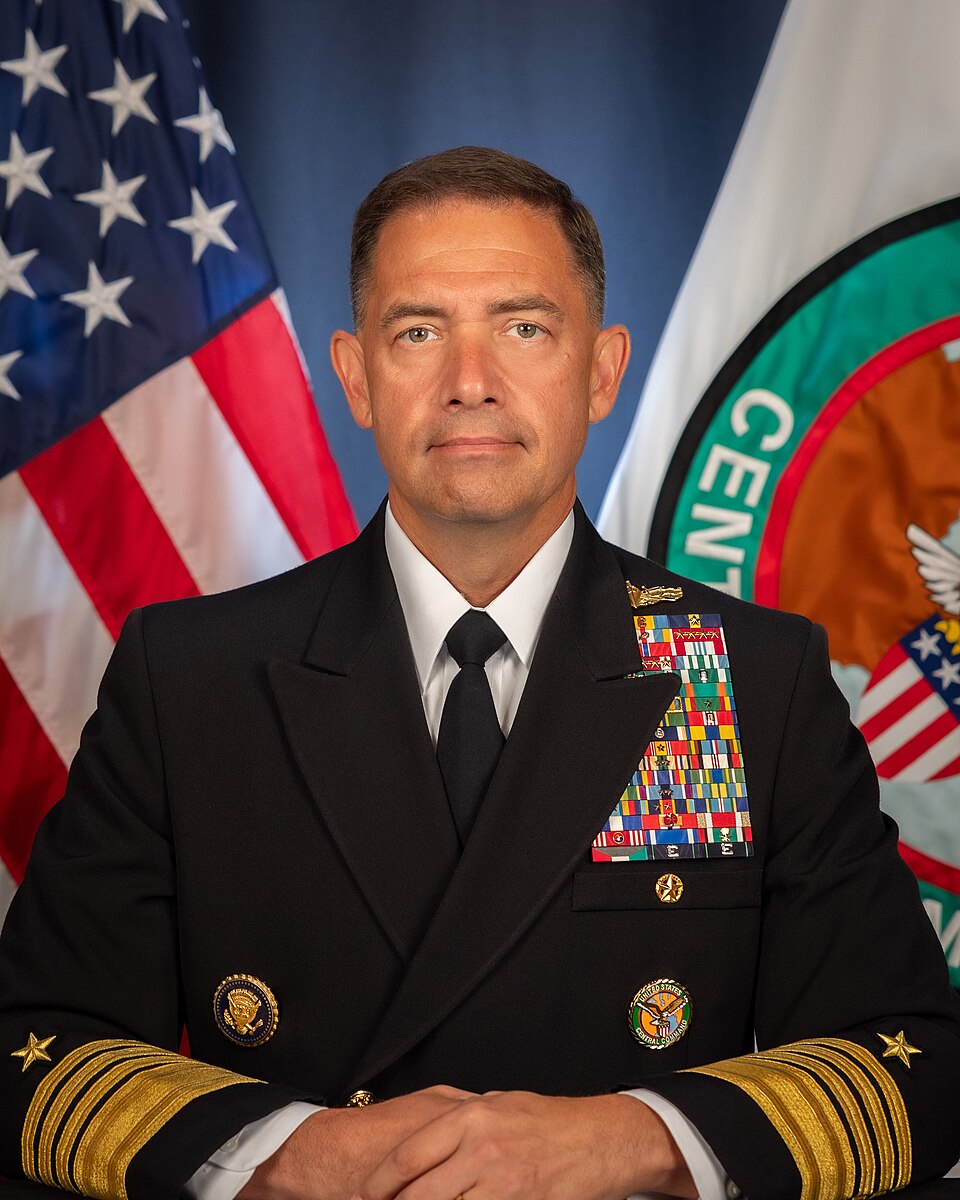
Adm. Brad Cooper, head of U.S. Central Command, has acknowledged that life at sea can nevertheless be extremely demanding.
“This doesn’t mean all is perfect,” Cooper said, adding that “service at sea for long periods isn’t for everyone.”
“It is uniquely challenging and tough,” he continued, saying that “mental health is another aspect of individual health and requires our attention just like physical health and spiritual health.”
Burnell says his own experience shows how the environment aboard a carrier can gradually wear people down.
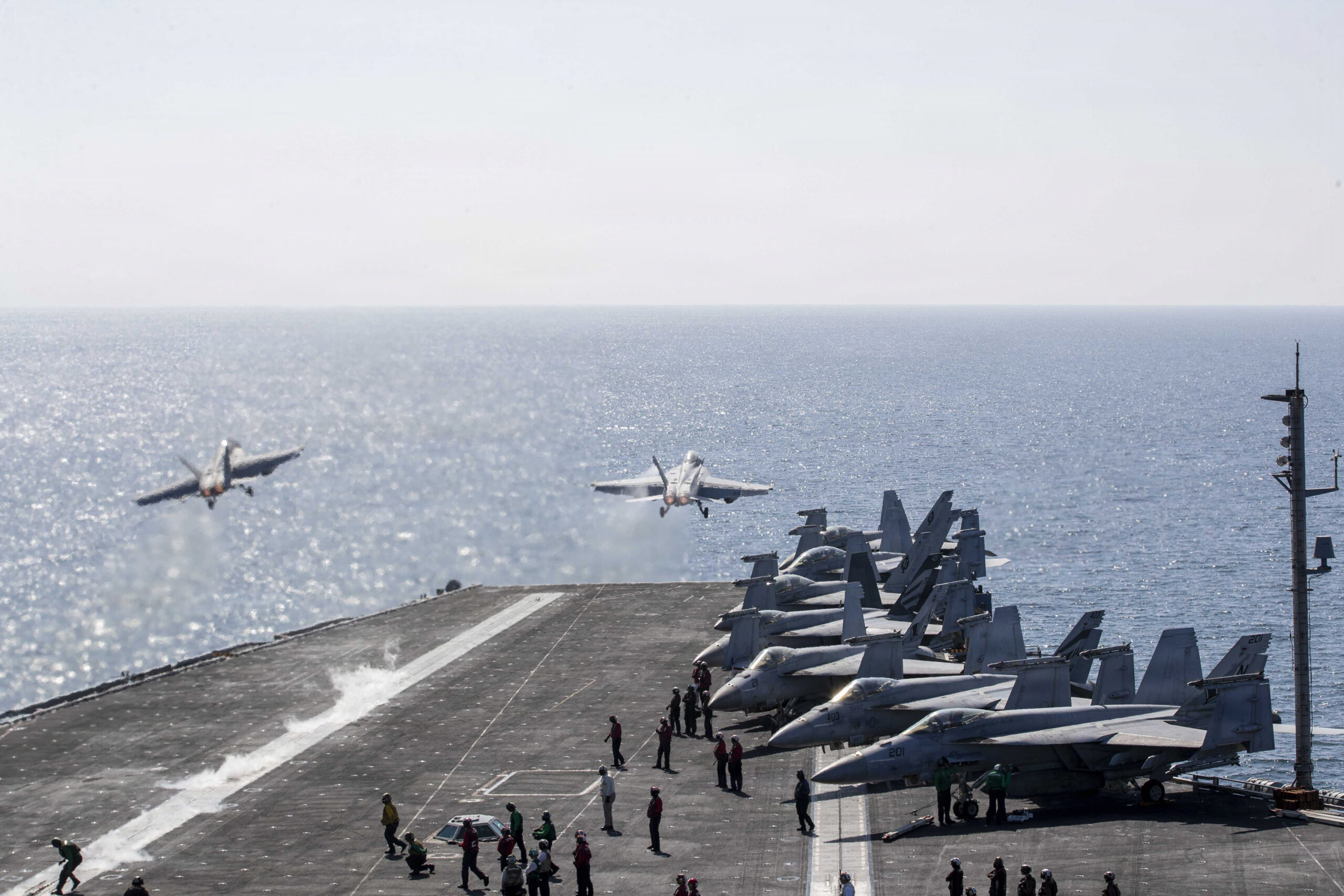
He described the USS Carl Vinson as a “floating prison,” saying some sailors working deep below deck could go long stretches without even seeing the sky.
His own sleeping quarters were so cramped that sailors called the beds “coffin racks.” Aircraft landing cables ran through the wall directly behind his head, while the constant activity above made the ship almost impossible to escape.
“It was just non-stop noise. The ship is just always loud,” Burnell said.
Planes were constantly landing and taking off, while weapons were also being fired.
He recalled one sailor becoming so desperate to get off the Vinson that he allegedly tried selling drugs and even started an “underground rave club” in an effort to get removed from the ship.
CNN spent three days aboard
The conditions aboard the Lincoln remain difficult to independently assess.
CNN journalists spent three days aboard the carrier in July and did not find evidence of widespread problems. Some sailors reportedly said they had been forced to ration food and had lost weight over “many months,” but CNN reported that food was plentiful when its crew boarded on July 7. Showers were also hot, although journalists found some signs of mold.
The USS George Washington is now being sent to relieve the Lincoln.
That carrier has faced its own history of mental-health problems. In 2022, a series of suicides among sailors aboard the George Washington while it was docked in Virginia prompted a military investigation.
A report released in 2023 found that the deaths were not caused by a single issue, but were connected to several problems involving living conditions. Investigators concluded that the Navy had “let our standards slip – and in doing so we let our people down.”
Dr. Harold Kudler, a former head of mental-health policy at the U.S. Department of Veterans Affairs, said life aboard a warship can create a unique combination of isolation, boredom and sudden periods of extreme alertness.
“You don’t know where the front is,” Kudler told the BBC.
“Especially in this kind of asynchronistic war that we’re seeing.”
He said sailors can be isolated from the outside world while remaining uncertain about what will happen next or when they will return home.
For Kudler, the psychological strain is not limited to sailors who directly engage the enemy. During World War II, the military produced a training film depicting a sailor alone below deck, watching machinery while the war raged above him.
The point was that service members can experience tremendous stress and exhaustion even when they never see the battlefield.
“Those 5,000 people comprise a community. Not just men and women under stress. It’s a community under stress.”
“The capabilities of the ship fall off as the crew falls off. So if the reports that are being shared are true, one really has to worry.”
Rogers, however, maintains that depression, boredom and anxiety are normal challenges for sailors and that crews have access to chaplains and mental-health counselors.
“We’re all human beings. We all go through difficult times.”
He also disputed reports that sailors were seriously considering jumping overboard, recalling similar comments made jokingly during his own time aboard an aircraft carrier.
“I remember one guy said, ‘I wish I could parachute outta here,’” he said, describing it as “locker room talk.”
READ MORE
- Alarming photos show food aboard USS Abraham Lincoln after 9 months at sea as several ‘tried to jump overboard’
- Officer at Hayden Panettiere’s death scene reveals boyfriend’s shocking reaction