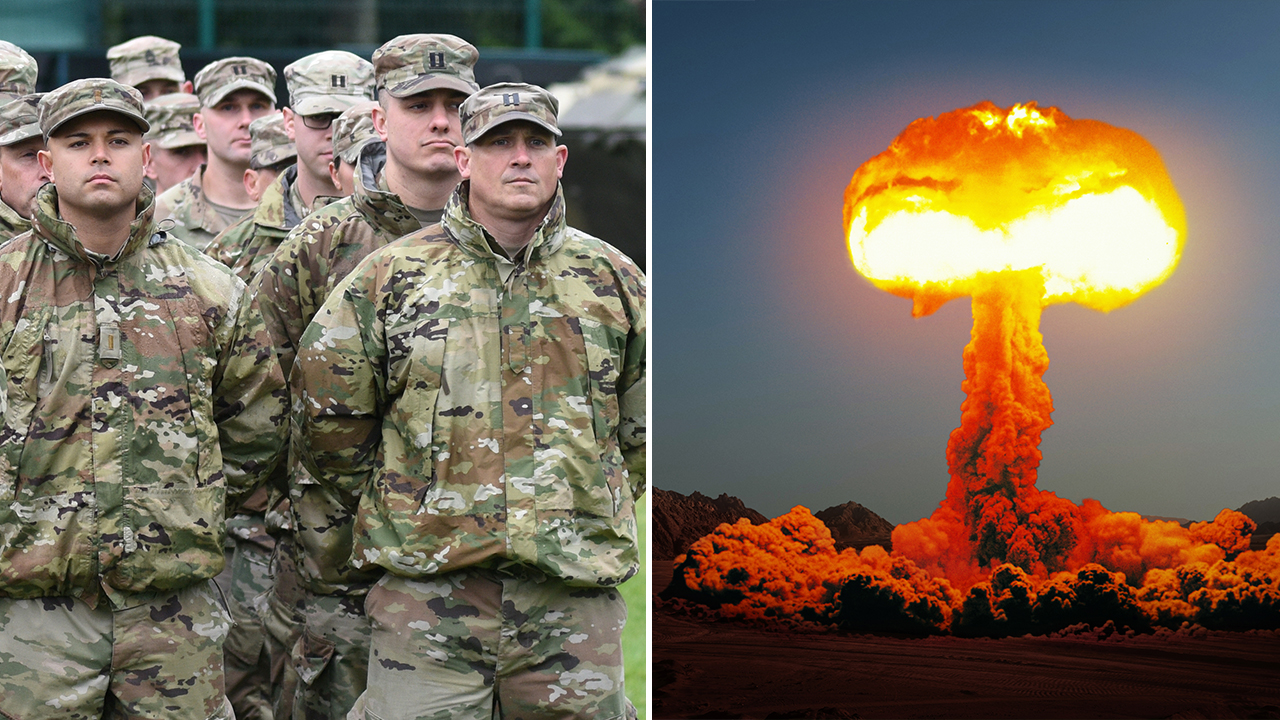
As tensions between the United States and Iran continue to raise fears of a wider conflict, one question is beginning to attract attention.
If America were pulled into a major war, who would be sent to fight first?
It is hardly surprising that more people are starting to think about what could happen if the world were plunged into an even wider conflict.
The past few years have brought one frightening development after another.
Russia’s full-scale invasion of Ukraine in 2022 is still ongoing, while the Middle East has been rocked by escalating violence involving Israel, the US, Iran and Lebanon.
The situation in Palestine has added to the growing sense of instability.
Against that backdrop, even the idea of a much wider war feels less distant than it once did. Even the Pentagon is preparing for the possibility of a major conflict reaching American soil.
According to reports, the US military is working to ensure its bases can continue operating for at least 90 days without outside support, in case a war cripples power grids, disrupts supply chains or threatens critical infrastructure.
A return to the military draft?
The possibility of a return to the military draft has entered the conversation as the conflict mellan USA och Iran ser ut att fortsätta.
The war began in February 2026, and tensions have continued to escalate in recent days. Both Iran and the United States have attacked vessels in and around the Strait of Hormuz, accusing them of violating their respective restrictions on the strategic waterway.
Meanwhile, President Donald Trump has sent mixed signals about what comes next, at times threatening to “destroy” Iran while also suggesting that a resolution to the conflict could be close.
In October, Senator Chris Murphy raised the alarm after receiving a briefing on what he described as “insane” plans that could lead to a “devastating escalation.”
Meanwhile, former Fox News presenter Tucker Carlson has claimed he was told that President Donald Trump was considering using a nuclear weapon against Iran “within days”, a claim that has not been independently confirmed.
One specific age
A return to conscription is far from certain. The United States has not had an active military draft since 1973. Back then, during the Vietnam War, men aged 18 to 25 could be drafted, with a lottery system introduced in 1969 to determine who was called up first. Each birth date was assigned a number, and those with the lowest numbers had the highest priority.
Any new draft would require congressional authorization. But experts have begun discussing what could happen if the country were to bring mandatory military service back.
And according to one national security expert, there is a particular age that could be first in line.
Guido Rossi, a research fellow at the University of South Florida’s Global and National Security Institute, told the Daily Express that 20-year-old men would receive priority under the current draft framework.
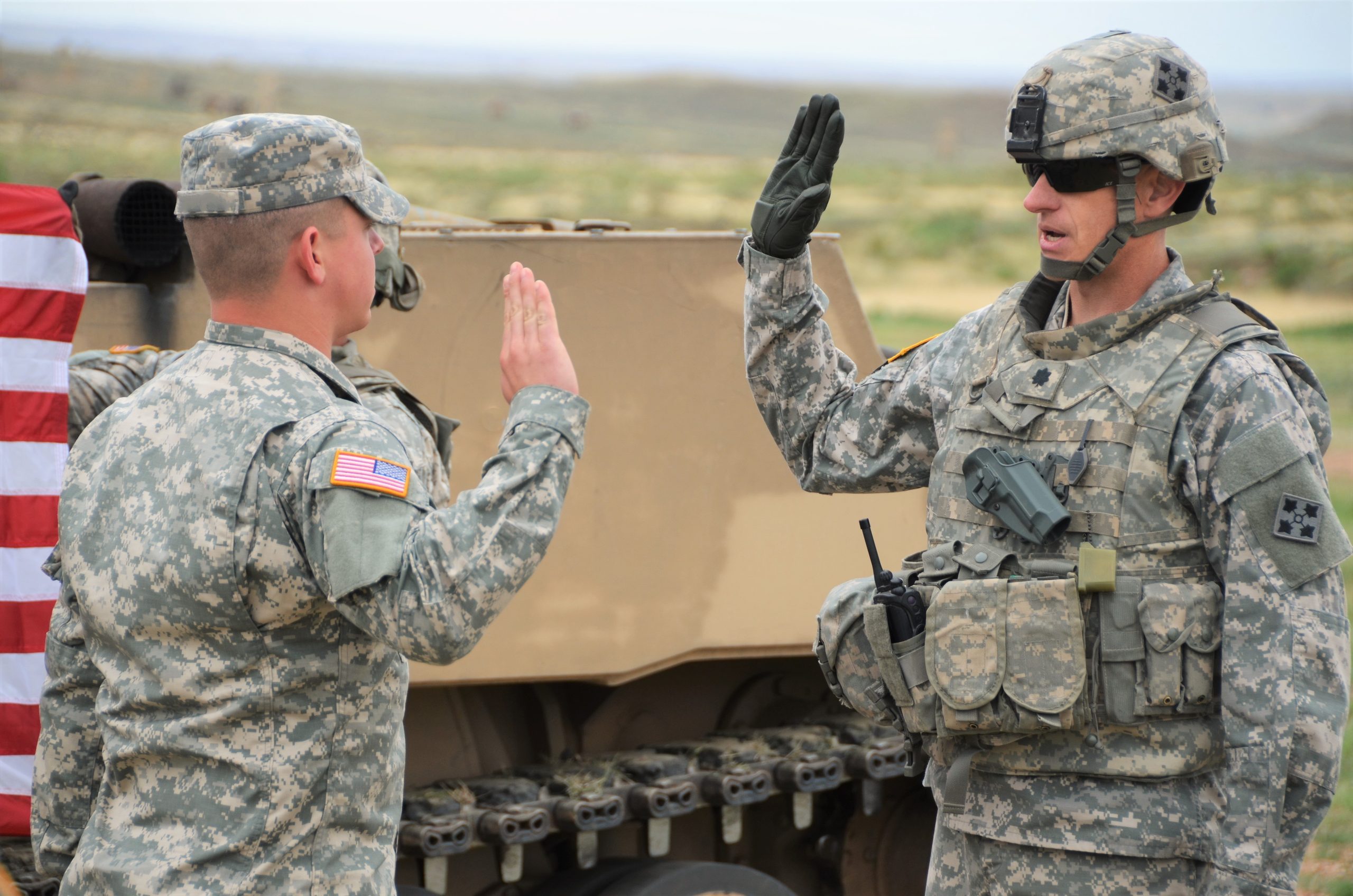
”Preference is for 20-year-olds, followed by 21-24-year-olds, then 18 1/2-19 year-olds,” Rossi explained.
He said those selected would report to designated Military Entry Processing Stations for medical screening, with induction potentially lasting up to 24 months.
But the number of men who would actually qualify for service could be considerably smaller than many imagine.
”Per the 2025 Census, of roughly 16 million males 18-to-24 only four million would actually be eligible for military service under the current disqualification rate of 75% (a strict standard that may be relaxed in wartime),” Rossi said.
Why would 20-year-olds be first?
Rossi explained that the age preference comes down to a balance between physical performance and the tradition of protecting younger men from being sent into combat.
“It is a balance between the age considered best for physical performance (declining for older recruits) and an American tradition of shielding younger men from overseas service (in other words combat, potentially). It’s basically the sweet spot (or the least sour, perhaps?). The same thing happened for all previous wars.”
He is not the only expert to have weighed in on the possibility of a future draft. Christopher Lee, a strategic adviser at Foresight Strategic Advisors, has also discussed the number of potential recruits the United States could call upon if the situation escalated.
For now, however, there is no indication that a draft is about to be reinstated. But with tensions continuing to mount, the question of who could be called up first is one that is attracting increasing attention.
READ MORE
- Americans in 3 states warned to prepare for significant power outages as atmospheric river approaches this week
- Skydiver eerie confession resurfaces after freak skydiving accident kills 2