A controversial debate over euthanasia is taking a deeply personal turn in the Netherlands after a prominent psychiatrist became the focus of public attention for helping patients with severe psychiatric conditions end their lives — including teenagers.
Dr. Menno Oosterhoff, a child and adolescent psychiatrist, has assisted patients with euthanasia for years, according to reporting cited by The Atlantic. His work has placed him at the center of a growing European debate over whether unbearable psychological suffering can ever justify medically assisted death.
In the Netherlands, euthanasia has been legal under strict conditions since 2002. Doctors can approve a request when it is voluntary and well-considered, the patient is experiencing unbearable suffering with no prospect of improvement, and there is no reasonable alternative available.
Oosterhoff primarily works with patients whose suffering is psychiatric rather than caused by a terminal physical illness.
Supporters argue that carefully regulated euthanasia can offer an alternative to desperate, unassisted suicide and spare some patients years of unbearable suffering.
Critics, however, question whether mental illness — particularly in young people — can ever be evaluated with enough certainty to justify an irreversible decision.
And one case involving a 17-year-old girl has brought that debate into the spotlight.
The story of Milou
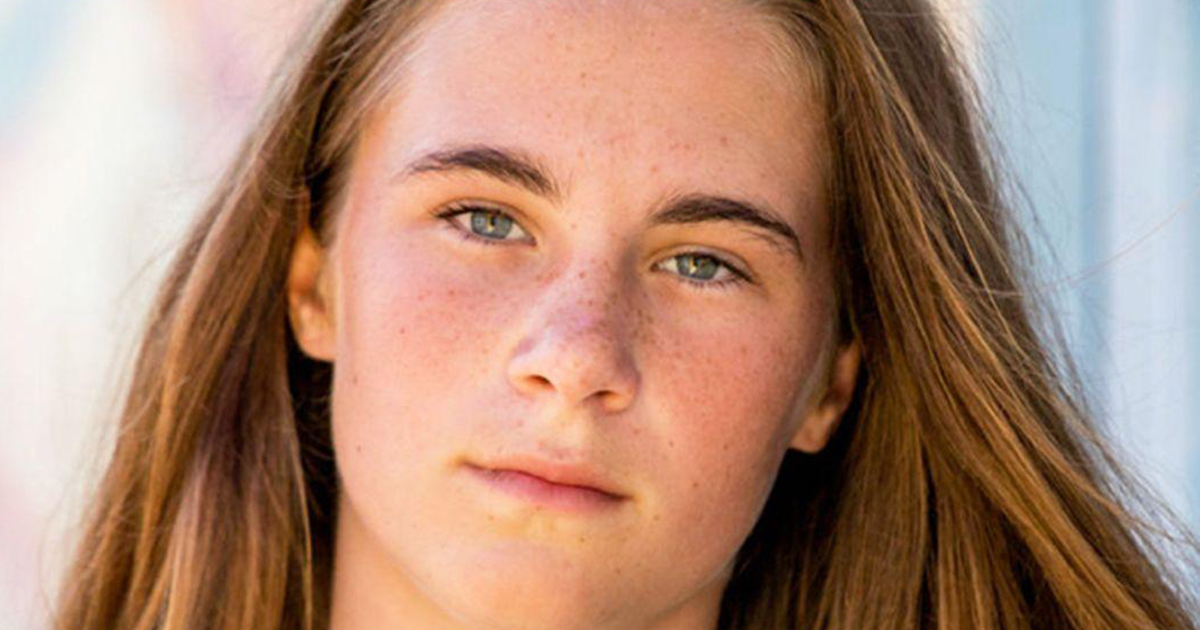
Milou Verhoof had endured years of devastating experiences.
She suffered sexual assault at 13 and was also deeply affected by a near-fatal illness involving her brother. Over the years, she made multiple suicide attempts and reportedly struggled to find medical professionals willing to help her.
Eventually, she came into contact with Oosterhoff.
On October 2, 2023, Milou died by euthanasia in her childhood bedroom, surrounded by her parents.
The circumstances were later explored in a Dutch television documentary, Milou’s Battle Continues, which brought renewed attention to her case.
Before administering the lethal injection, Oosterhoff reportedly told the teenager:
”Girl, have a good trip,”
Her death has prompted difficult questions about the boundaries of psychiatric euthanasia, particularly when the patient is still a minor.
At Milou’s funeral, Oosterhoff later expressed his sympathy by saying:
”You’ve been through so much,”.
But Milou’s mother, Mireille Verhoof, has defended the decision and said the family trusted the psychiatrist’s judgment.
”Because of Dr. Oosterhoff’s extremely careful and cautious approach, we as parents trusted that his conclusion-that Milou truly could not go on and that the days were unliveable for her-was the only correct one and confirmed what we as parents had long seen in our child.”
Psychiatric euthanasia is increasing
Milou’s case comes as euthanasia for psychiatric suffering remains a relatively small but growing part of the Dutch system.
Of the 9,958 euthanasia cases reported in the Netherlands in 2024, the overwhelming majority involved people suffering from physical illnesses.
However, psychiatric cases have increased significantly in recent years, rising from 88 cases in 2020 to 219 in 2024.
That increase has fueled an increasingly heated discussion over where the line should be drawn — particularly when someone is suffering from a psychiatric condition that may potentially change over time.
The debate extends beyond the Netherlands
The issue has also sparked controversy elsewhere in Europe.
In Spain, the case of Noelia Castillo Ramos attracted widespread attention after she became quadriplegic in 2024 after jumping from a building following a gang rape.
Before her scheduled euthanasia, Castillo Ramos gave a television interview in which she spoke openly about her decision.
”I have four days left because on the 26 they will perform euthanasia on me,”
Her father fought the decision in court, arguing that his daughter had a personality disorder and had already been dependent on the country’s mental healthcare system before the assault.
Castillo Ramos, however, said opposition from her family only added to her suffering. She maintained that the decision belonged to her and that her pain should not be dismissed because of the impact her death would have on those around her.
”None of my family is in favor of euthanasia. I am a pillar of the family. I leave them suffering. But what about my suffering?”
She also argued:
”The happiness of a father, a mother, or a sister should not be more important than that of a daughter or the life of a daughter,”
Her euthanasia was ultimately carried out.
A debate with no easy answers
Cases like those of Milou and Castillo Ramos have forced European countries to confront some of the most difficult questions surrounding end-of-life decisions.
When physical suffering is visible and terminal, the debate can seem more straightforward. But when the suffering comes from trauma, depression or another psychiatric condition — particularly in a young person — determining whether there truly is “no prospect of improvement” becomes far more complicated.
Supporters see regulated euthanasia as a compassionate option for people who have exhausted every other possibility.
Critics fear that the most vulnerable people in society, including those struggling with severe mental illness and trauma, could make irreversible decisions during periods of profound despair.
If you or someone you know is struggling or going through a crisis, support is available. Call or text 988, or visit 988lifeline.org for help.