

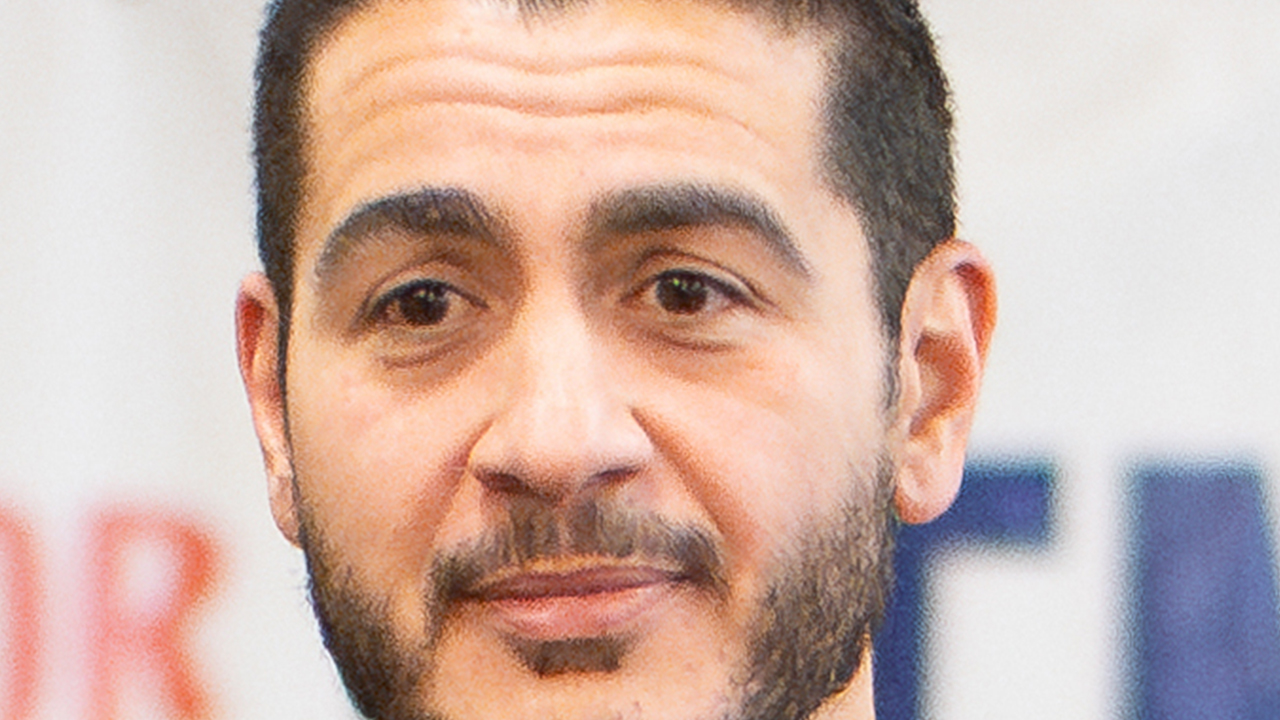
Abdul El-Sayed has suddenly become one of the biggest names in American politics.
But his journey to the top of American politics was anything but straightforward.
And it was one encounter with a homeless woman that would change the course of his life.
Michigan Senator-elect Abdul El-Sayed has just made history with a landmark victory. But long before he entered the political spotlight, he was a young medical student with plans to become a surgeon.
Then, one encounter with a homeless woman forced him to question the kind of doctor he wanted to be – and changed the direction of his life.
From Michigan student to aspiring surgeon
El-Sayed was born in Rochester Hills, Michigan, in 1984 to Egyptian immigrant parents. Growing up in the Detroit suburbs, he was encouraged to value education and understand the importance of giving something back.
After attending the University of Michigan, he graduated in 2007 with the highest distinction and delivered the student commencement address.
His speech caught the attention of the university’s commencement speaker, former President Bill Clinton. After the ceremony, Clinton approached the young graduate and asked why he wanted to become a doctor.
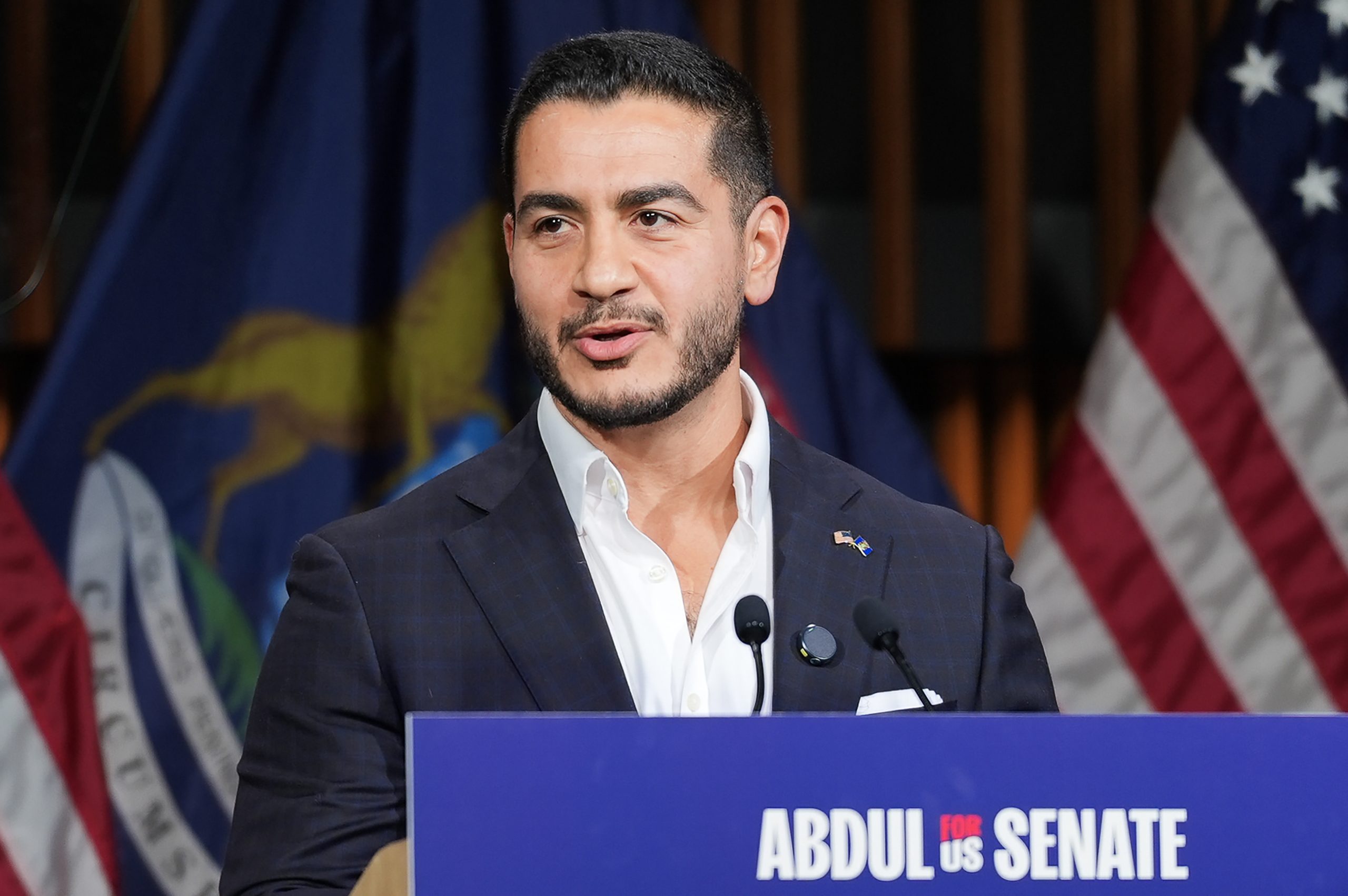
El-Sayed later recalled that Clinton told him he had a real gift for speaking and encouraged him to consider a future in public service.
At the time, however, his ambitions were firmly rooted in medicine.
He went on to study at the University of Oxford as a Rhodes Scholar, earning a doctorate in public health before completing his medical degree at Columbia University in 2014.
But during his medical training, an experience with one patient would make him reconsider the future he had worked so hard to build.
The encounter that changed everything
While completing an internal medicine sub-internship at Allen Hospital, El-Sayed met an older homeless woman who had fallen and hit her head while intoxicated.
At first, the focus was on treating her immediate injury. The emergency room staff initially planned to discharge the woman after dressing the wound.
But El-Sayed, then a young medical student, suspected they were overlooking something important.
”Nope, you didn’t do a fair assessment!” he protested.
Determined to keep her in the hospital, he found ways to delay her discharge. Among other things, he held up the completion of her patient history and physical examination while waiting for her alcohol withdrawal to run its course.
His instincts proved right. Further assessment revealed that the woman was suffering from adrenal insufficiency associated with HIV/AIDS – a serious underlying condition that needed attention beyond the injury that had brought her to the emergency room..
El-Sayed helped arrange treatment and a transfer to a rehabilitation facility that could accommodate patients with AIDS. But when the time came for her to leave the hospital, she said she wanted to go home to her daughter instead.
He encouraged her to consider rehabilitation, but she was determined to leave.
Found her sleeping on a bench
Then, about two weeks later, he saw her again.
She was sleeping on a subway bench.
For the young medical student, the sight was devastating. He had helped get her medical treatment, but nothing had changed the circumstances that had left her vulnerable in the first place.
”The safety net failed her,” he later reflected.
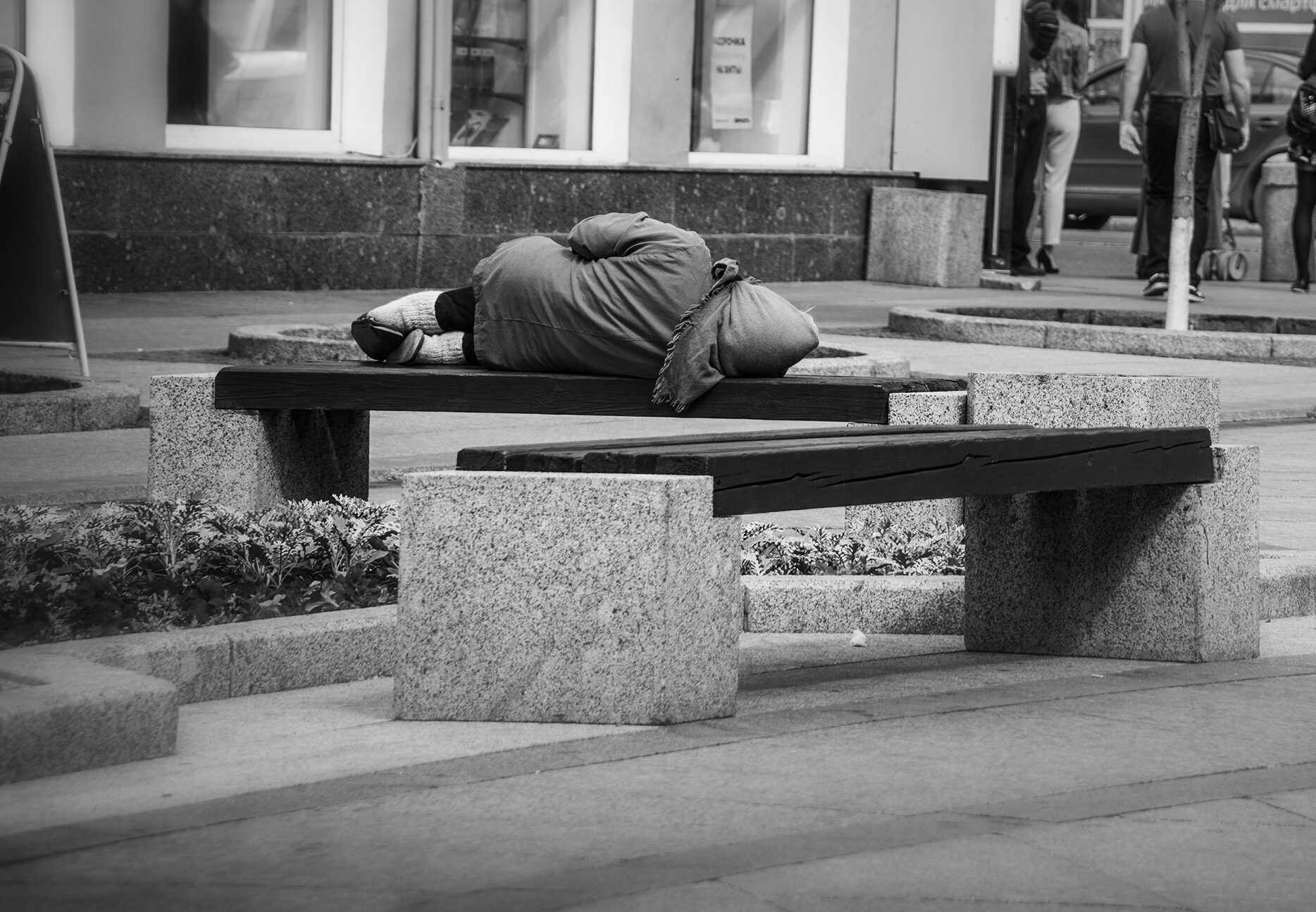
The experience made him question whether treating one patient at a time was enough when the conditions people lived in continued to put their health at risk.
“She made bad decisions adversely affecting her health, but there are a lot of things that we could have done to put this person into a better decision-making mode. The best you can do at a hospital is to stabilize one patient at a time, but you’re not dealing with big picture problems that are creating the health disparities,” El-Sayed told ColumbiaMedicine and added:
”I realized that I was a lot more interested in what happens before a patient gets to the door than what happens in the hospital.”
A new mission in Detroit
That decision eventually brought him back to Michigan.
In August 2015, at just 30 years old, El-Sayed was appointed executive director of the Detroit Health Department by Mayor Mike Duggan.
The city was still rebuilding its public services after its 2013 bankruptcy, and he took on issues including infant mortality, lead exposure, obesity and access to healthy food.
He also became involved in efforts to address pollution affecting communities in southwest Detroit.
The work reflected the lesson he had taken from the woman on the subway bench: health was about more than what happened inside a hospital. It was also shaped by housing, poverty, food, pollution and access to support.
From public health to politics
In 2018, El-Sayed took another major step when he ran for governor of Michigan. He did not win the Democratic primary, but the campaign marked his move from public health leadership into electoral politics.
The advice Bill Clinton had given him years earlier had stayed with him. What once seemed like an unlikely career path had become a way to pursue the changes he believed were needed.
Over the years, he continued building his political profile, eventually setting his sights on the U.S. Senate.
Marrying his college sweetheart
Away from his growing professional ambitions, El-Sayed was also building a family.
He met Sarah Jukaku at the University of Michigan, and the two married in 2006, while they were still undergraduates.
In an interview with The Michigan Daily that year, Jukaku recalled how young she was when he proposed.
”When he proposed to me, I was a freshman,” she said. ”I was young, and one of the things he said was, ‘We’re still growing, now we can grow together.’”
El-Sayed smiled and responded: ”I’m romantic.”
Their marriage was shaped by their Muslim faith and shared understanding of commitment.
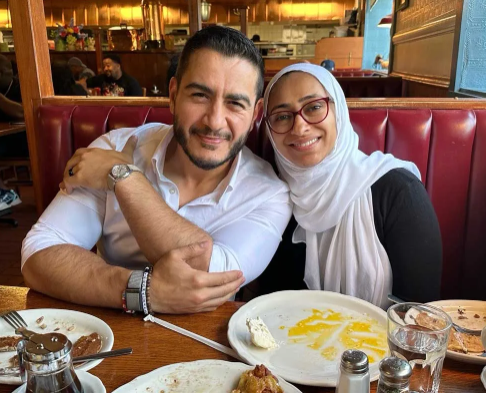
The couple also enjoyed the ordinary things that come with building a life together, including library visits, dinners and ice cream dates.
”Getting ice cream is the number-one thing we do together,” El-Sayed joked.
As their careers developed, they had to make decisions about where to live and how to balance their ambitions.
At one point, El-Sayed considered opportunities outside Michigan, while Jukaku was prepared to move with him as she pursued her own career.
He even stepped away from lacrosse for a period to devote more time to their relationship.
“I wanted to make sure this went the right way,” he explained. “I figured you can only play lacrosse for so long, but you’ll be married for the rest of your life.”
“Good choice. I tried to tell you earlier,” Jukaku replied.
Emergency changed wife’s perspective
Jukaku eventually became a psychiatrist, completing her medical education at Columbia University in 2015 before undertaking residency training at Cornell University and the University of Michigan.
She now runs a private practice in Ann Arbor.
But her own medical career also included a difficult personal experience.
While completing her residency, she experienced serious complications following the birth of the couple’s first daughter.
Around 11 or 12 days after giving birth, she had to be readmitted to the hospital.
She was suffering from significant pelvic pain and struggled to walk. After consulting medical professionals, she was advised to undergo further treatment and needed time away from work.
When she contacted the appropriate office to arrange medical leave, however, she recalled receiving a dismissive response.
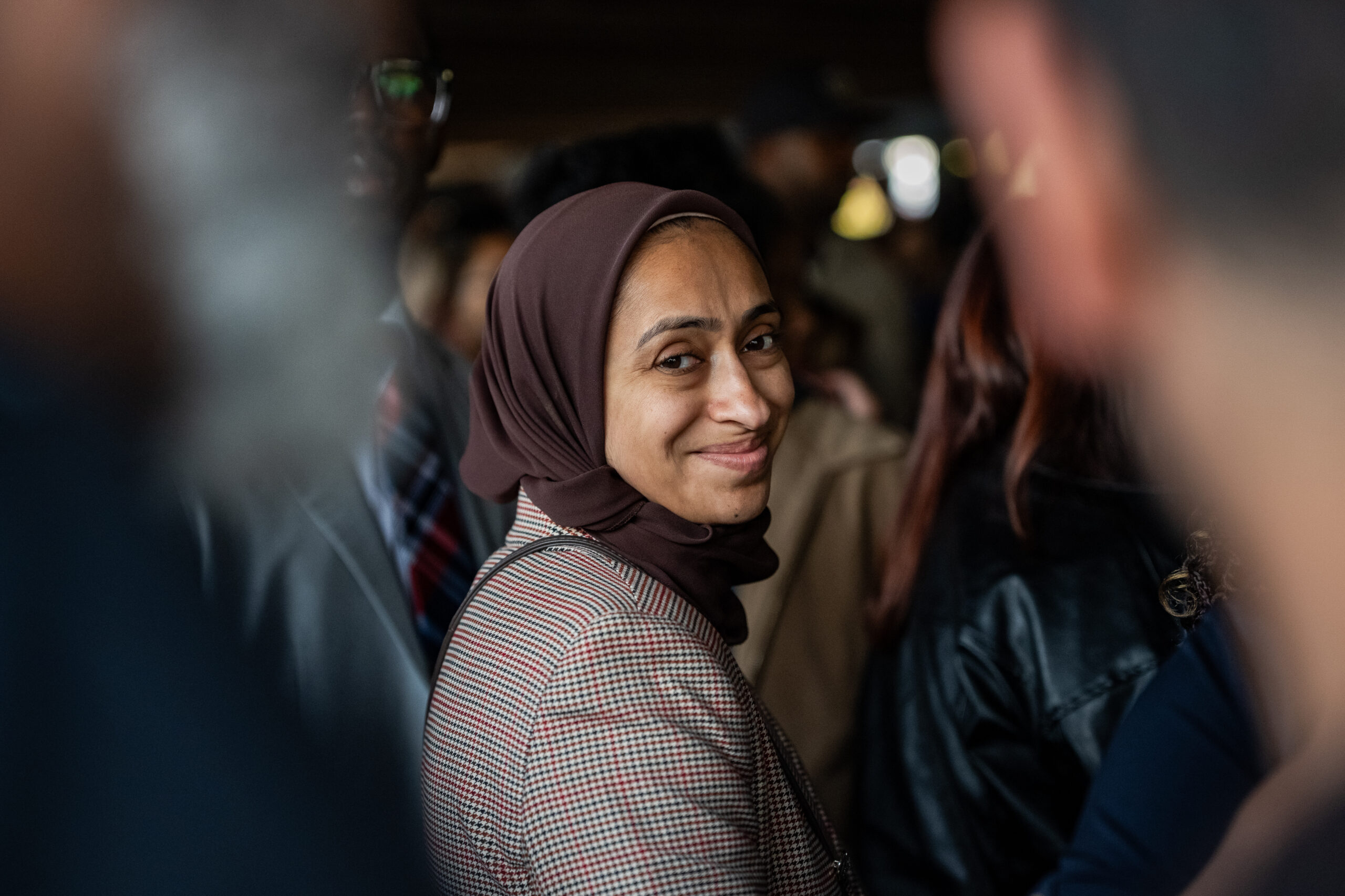
”Well, everybody wants to spend time with their baby after they have a baby, and that’s not a reason to be off of work.”
Jukaku was upset. She was not simply asking for extra time with her newborn; she was dealing with genuine medical complications.
Eventually, she contacted her union.
A representative named Robin reassured her that she was entitled to medical leave and promised to help her navigate the process.
”That is not okay; you are definitely entitled to medical leave; we’ll figure this out together,” the representative told her.
Her leave was ultimately approved, and the experience left a lasting impression.
Jukaku also credited her husband with helping her understand why doctors should organize and advocate for their workplace rights.
“He’s really the one who opened my eyes to, you know, the fact that physicians should be unionizing and right like these are the things that unions have historically provided us with,” she explained.
Life with two daughters
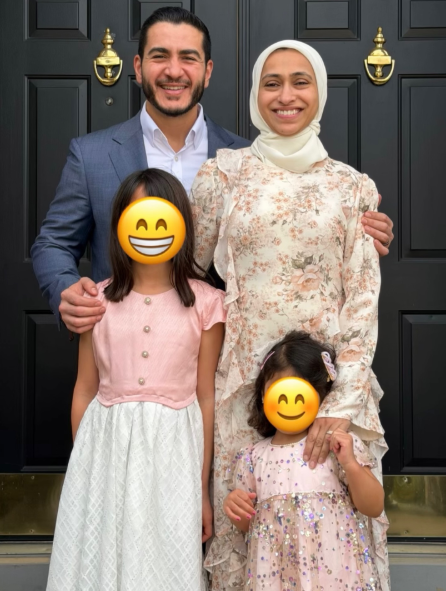
Together, El-Sayed and Jukaku have two daughters, Emmalee and Serene.
Their older daughter, Emmalee, turned eight in August 2026, while their younger daughter, Serene, was born on January 18, 2023.
Announcing Serene’s arrival on Instagram, El-Sayed shared the family’s happiness.
”Sarah and baby are thriving, Alhamdulillah. Watching Emmalee love on her little sister is a kind of joy I didn’t know existed.”
The couple generally keep their children out of the public spotlight, although Jukaku has occasionally appeared alongside her husband at important political events.
At his final campaign rally in Detroit on November 2, just one day before the election, she took the stage to explain why she believed he would make a difference for Michigan.
”Michiganders deserve a fighter like Abdul,” she told the crowd.
”He will show up for you and your family the way he shows up for me and our family.”
She also described the consistency she sees in her husband, whether he is speaking to voters or spending time at home.
”I have always known that there was something special about Abdul,” she said.
”Abdul is the same to me and my daughters as he is to you. He says the same things no matter where he is and no matter who he’s talking to, because he believes and means those things. And that’s what makes him such an unusual politician.”
She joked that while no corporation, billionaire or special interest group could tell her husband what to do, there might be one exception.
”Except maybe me sometimes,” she added.
Inside the historic Senate victory
On November 3, 2026, El-Sayed achieved the kind of political breakthrough that few would have predicted when he was a young medical student.
He defeated Republican Mike Rogers in Michigan’s closely watched U.S. Senate race, becoming the first Muslim American elected to the United States Senate.
The victory was particularly significant because Michigan had been a major battleground in the midterm elections, and Republicans had hoped to take the seat from Democrats following Senator Gary Peters’ decision not to seek reelection.
El-Sayed’s campaign focused on healthcare, affordability, working families and reducing the influence of wealthy donors and corporations in politics.
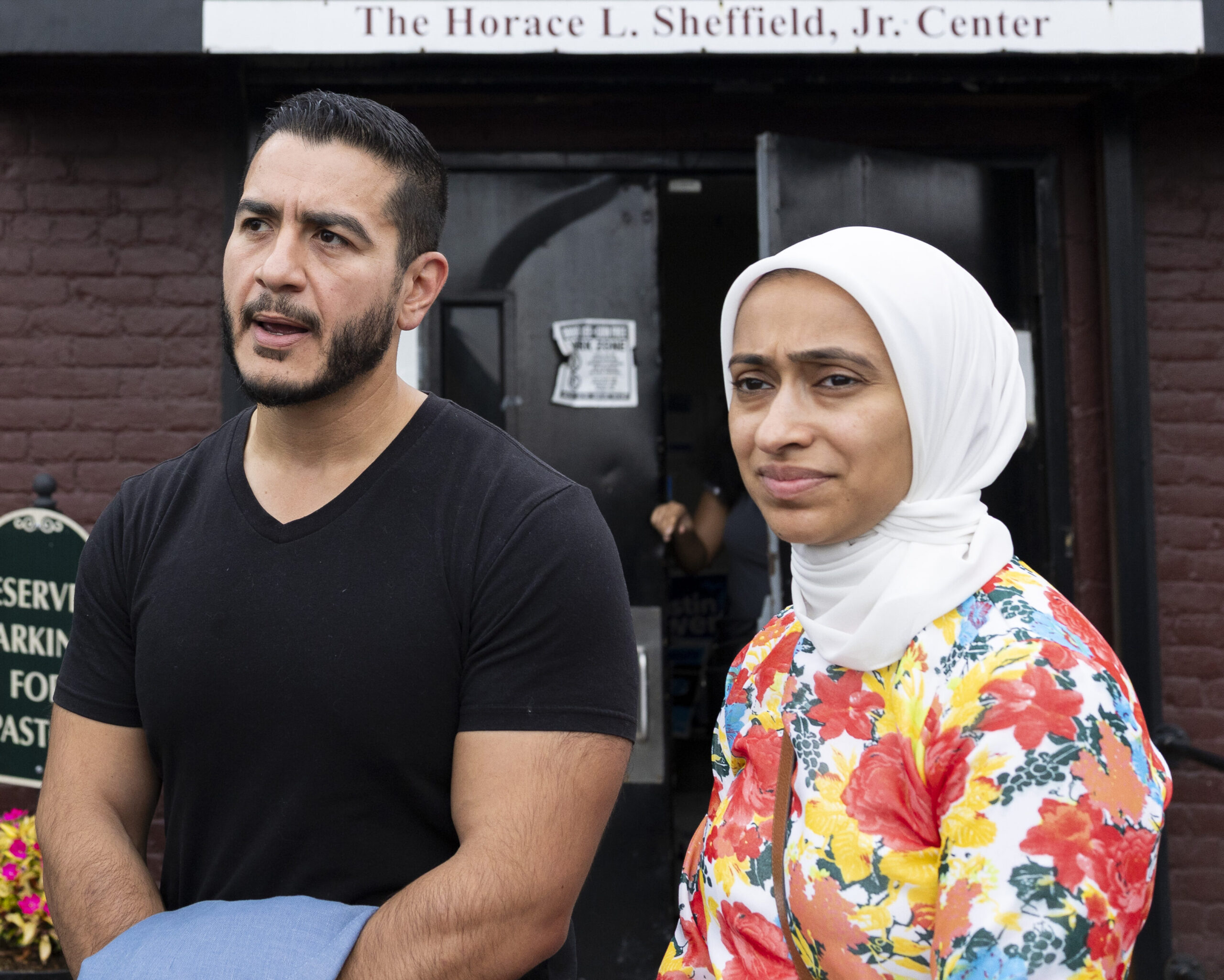
His Muslim identity also became a frequent target of attacks during the campaign, with President Donald Trump and other Republicans making allegations about his supposed connections to extremist groups. El-Sayed rejected those accusations.
Despite the controversy, he prevailed over Rogers in a race that attracted national attention.
The wider midterm results also proved significant. Democrats won control of both the House and Senate, delivering a major setback to Trump and the Republican Party.
For El-Sayed, the result was not only a personal triumph but a historic moment for Muslim representation in American politics.
Celebrating in Detroit in the early hours of November 4, he told supporters:
“You took a chance on the unlikeliest of candidates.”
He also addressed the attacks on his identity and made his position clear.
“I love America.”
With the election behind him, El-Sayed is preparing to take his seat in the Senate in January 2027.
His journey has taken him from a privileged childhood in suburban Detroit to some of America’s most prestigious universities, through public health work and into the highest levels of national politics.
But perhaps the most important turning point came in a hospital corridor, followed by an unexpected encounter on a subway platform.
READ MORE
- Abdul El-Sayed delivered cheeky message to JD Vance after stunning election victory
- Abdul El-Sayed mocks Trump with pointed remark after historic Michigan Senate win


