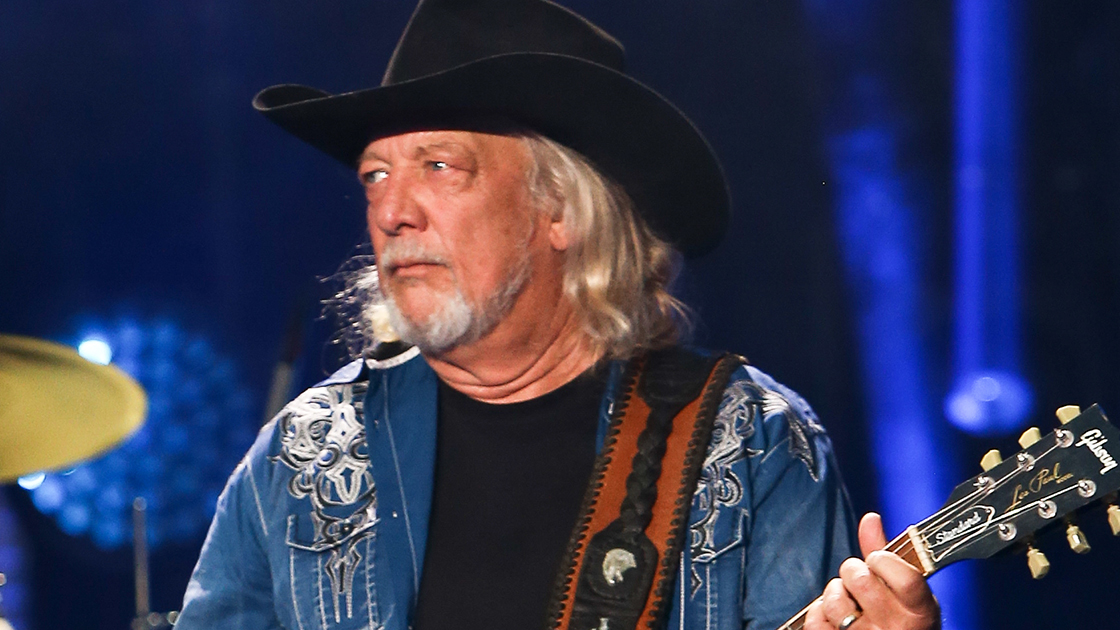
John Anderson had one of those voices you could recognize within seconds.
For generations of country music fans, hearing him sing was like being transported back to a simpler time — a time of small-town stories, heartfelt songs and a kind of country music that felt deeply personal.
That voice carried him through decades of success.
But behind it was a man who spent much of his later life fighting to keep doing the one thing he loved most.
John Anderson passed away on October 21 at his home in Smithville, Tennessee. He was 71.
Arriving unexpectedly
Raised in Apopka, Florida, John Anderson didn’t initially dream of becoming a country star. His earliest musical influences were rock and roll legends like Jimi Hendrix and The Rolling Stones, and as a teenager, he even played in a rock band.
That changed when he discovered the music of country legends George Jones and Merle Haggard at around 15. Their sound sparked a new passion, eventually leading him toward country music.
In 1971, Anderson moved to Nashville, arriving unexpectedly at his sister’s home with little more than a dream of making it in music.
During the day, he took whatever work he could find — including a job roofing the Grand Ole Opry House — while spending his evenings playing in local clubs and working toward his big break.
In the late 1970s, John Anderson released his debut single, “I’ve Got a Feelin’ (Somebody’s Been Stealin’).” From there, his career took off.
Anderson went on to chart more than 40 singles on the Billboard country charts, including five No. 1 hits: “Wild and Blue,” “Swingin’,” “Black Sheep,” “Straight Tequila Night” and “Money in the Bank.”
Final public appearance
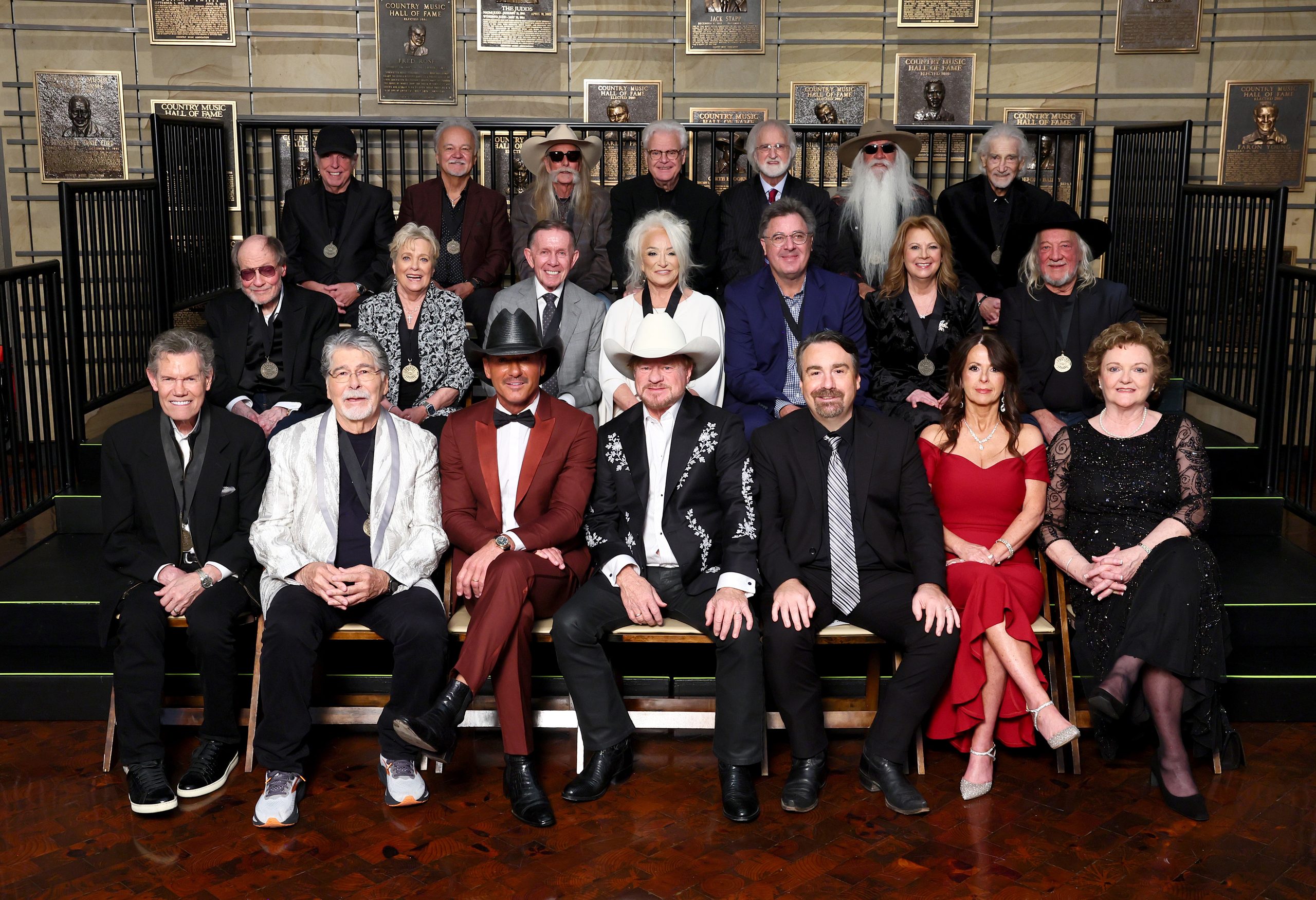
His death came just three days after one of his final public appearances. On October 18, Anderson attended the Country Music Hall of Fame’s Medallion Ceremony in Nashville, where he was seen among fellow country music artists.
For fans who had followed Anderson’s career for decades, his appearance was a reminder of just how much he had continued to push forward despite years of serious health problems.
Anderson had already been dealing with major health issues for more than two decades.
In 2003, when he was 48, he was performing at the Charleston Sternwheel Regatta in West Virginia when he began experiencing chest pains. He was taken to the hospital, where doctors performed an angioplasty and inserted a stent.
Even after being hospitalized, Anderson was reportedly determined to return to the stage. The festival’s director said he tried to leave the hospital twice because he had never missed a show.
His health problems became more serious years later.
In 2017, Anderson was forced to cancel a festival appearance in Alabama because of what his representatives described at the time as “unforeseen and serious medical issues.”
Lost his hearing
He later revealed that he had spent much of 2017 and 2018 dealing with a frightening illness. Doctors initially feared that he could have brain cancer, although the tumor was eventually found to be benign.
The health crisis also involved his heart, and Anderson later said he had come close to dying.
“I had nearly died a couple of times,” he told BGS.
But perhaps the most devastating part of the ordeal came when Anderson lost much of his hearing.
At one point, he told American Songwriter that he had lost between 95 and 98 percent of his hearing. He was unable to play or sing, and according to the release notes for his final album, he had also lost his sense of pitch.
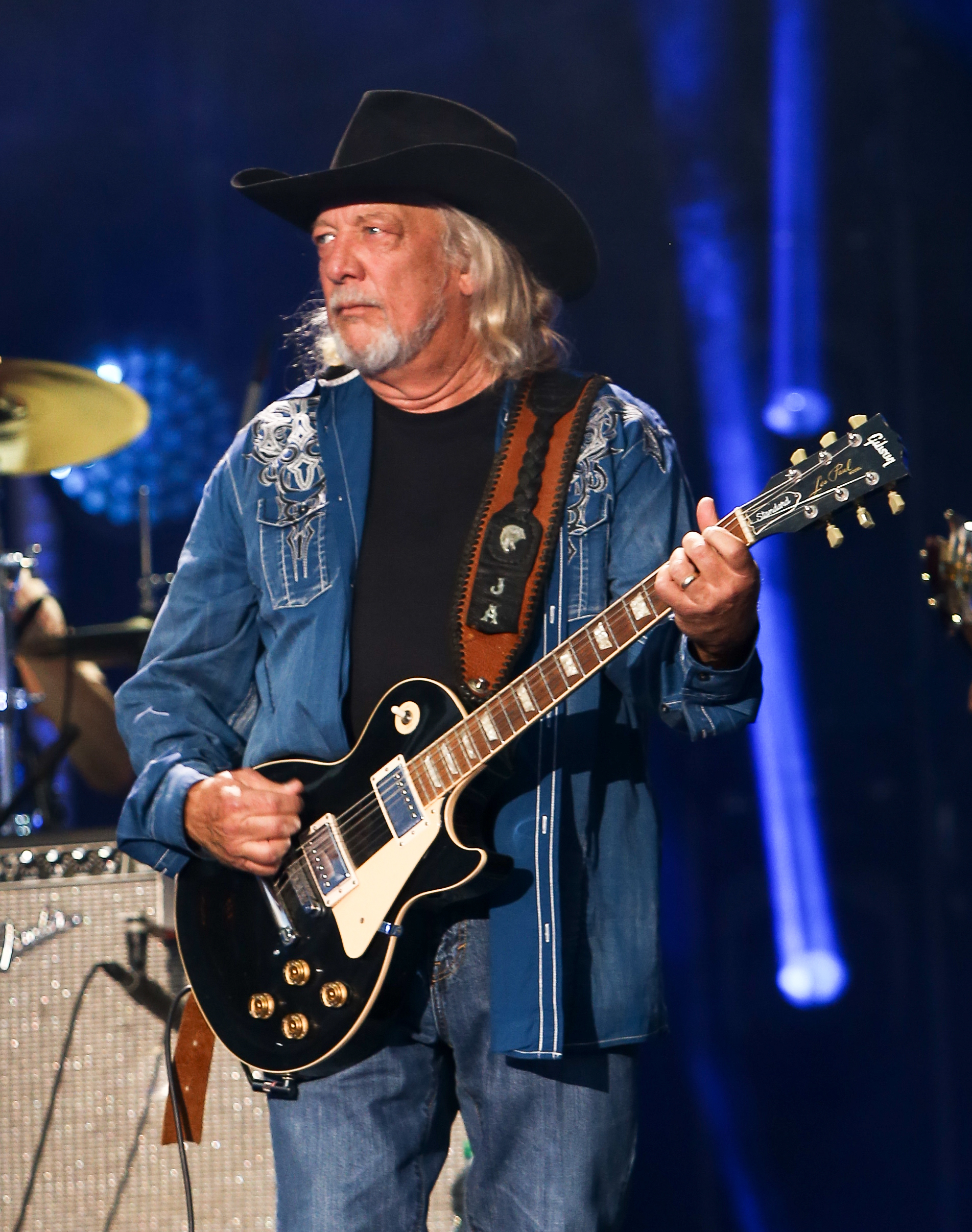
For a country singer whose career had been built around his distinctive voice, the setback could easily have marked the end.
Instead, Anderson slowly began to recover some of his hearing and eventually returned to making music.
His final album, Years, became part of that comeback.
While working on the record with producer Dan Auerbach, Anderson reportedly spoke openly about how uncertain his health had become.
At one point, he told Auerbach:
“Let’s get everything because I might not wake up.”
The comment has taken on an especially chilling meaning following his death.
His home for more than 45 years
Despite everything he had gone through, Anderson continued working and recording. He remained involved in country music and was still celebrating the genre alongside his peers only days before his death.
Away from the stage, Anderson was remembered by his family as much more than a country music star. The country star had called Smithville, Tennessee, home for more than 45 years, where he lived with his wife Jamie and their two daughters.
”No matter where I have always been on the road, in some of the most exotic and beautiful places, after just a short time I find myself wanting to come home to Jamie and my family right here in DeKalb County and Smithville Tennessee,” he said in 2022.
His family described him as a “beloved husband, father, grandfather, and best friend,” emphasizing the close relationships he built throughout his life.
His career spanned more than four decades, but his later years showed just how much determination went into continuing that career.
He had survived serious heart problems, a frightening illness and a devastating loss of hearing — yet he kept making music.
No matter how his final chapter unfolded, the songs he left behind ensured that his voice would continue to be heard long after he was gone. Rest in peace, John.
READ MORE