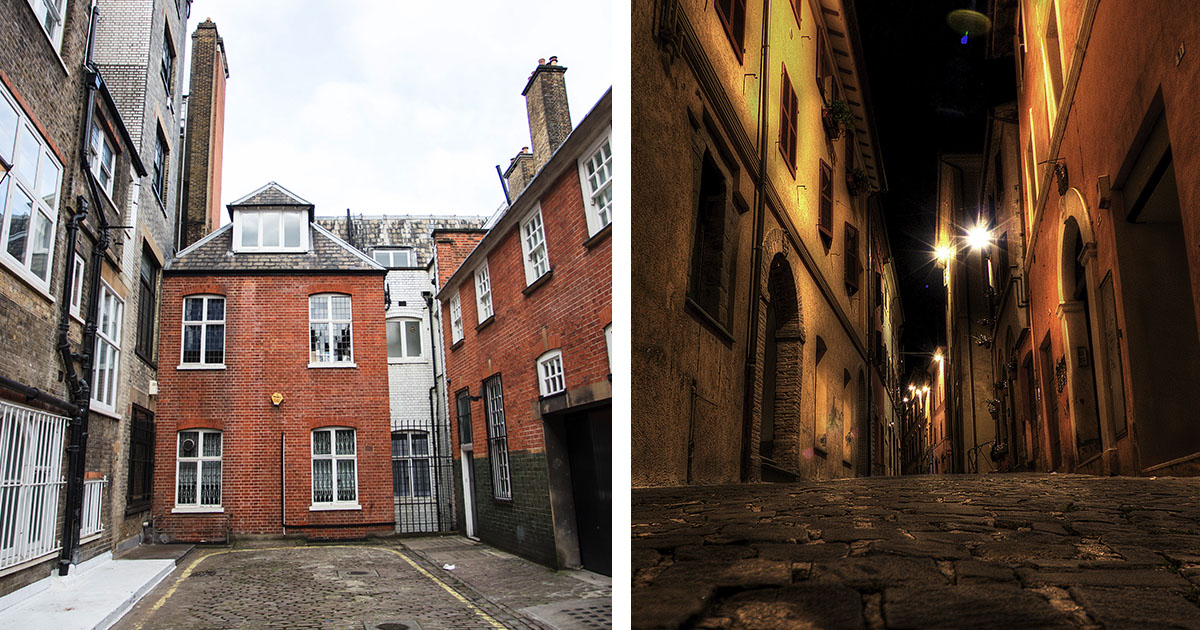
The mystery surrounding Jack the Ripper has haunted historians and true crime enthusiasts for over a century. Now, a researcher claims DNA evidence may have finally identified the infamous killer, though not everyone is convinced.
Jack the Ripper remains one of history’s most notorious unidentified killers.
The serial murderer terrorized London’s Whitechapel district in 1888, killing at least five women in crimes so brutal they shocked Victorian Britain and sparked worldwide fascination that continues to this day.
Now, more than 137 years later, one researcher says the mystery may finally have an answer.
Researcher points to DNA evidence
British author and self-described “Ripperologist” Russell Edwards believes he has identified Jack the Ripper through forensic testing linked to one of the murders.
Edwards’ investigation began after he purchased a shawl in 2007 that was said to have been found near victim Catherine Eddowes, one of the so-called “Canonical Five,” the five women most commonly believed to have been murdered by Jack the Ripper – Mary Nichols, 43, Annie Chapman, 47, Elizabeth Stride, 44, Catherine Eddowes, 46 and Mary Jane Kelly, 25.
According to Edwards, forensic analysis of the shawl later identified DNA linked both to descendants of Eddowes and to a man long considered a suspect in the case.
That man was Aaron Kosminski.
“Considering his DNA is on the shawl that was at the murder scene and he was named, I have never considered anyone else to be the Ripper,” Edwards told News.com.au.
Kosminski was a Polish-born barber who lived in London’s East End at the time of the killings.
Historical records suggest he struggled with severe mental illness and was later institutionalized in London asylums. He had been viewed as a suspect by some investigators during the original inquiry but was never formally charged with the murders. He died in 1919 aged 53.
Experts remain skeptical
While Edwards believes the case has effectively been solved, critics argue the matter is far from settled.
One major issue is that the findings have not been published in a peer-reviewed scientific journal, meaning independent experts have not fully verified the DNA evidence.
That skepticism has also influenced officials.
Two years ago, Britain’s Attorney-General declined calls for a new inquest into the murders, stating there was not enough fresh evidence to legally reopen the case.
Still, some descendants of the victims believe the findings deserve another look.
Karen Miller, a descendant of Catherine Eddowes, has urged authorities to revisit the case.
“The name Jack the Ripper has become sensationalized,” she told The Daily Mail.
“It has all been about him… but people have forgotten about the victims who did not have justice at the time.”
READ MORE:
- Chris Watts’ one twisted regret after killing wife and two daughters
- Female soldier’s horrific death after King Charles performance fuels fresh horse show scrutiny