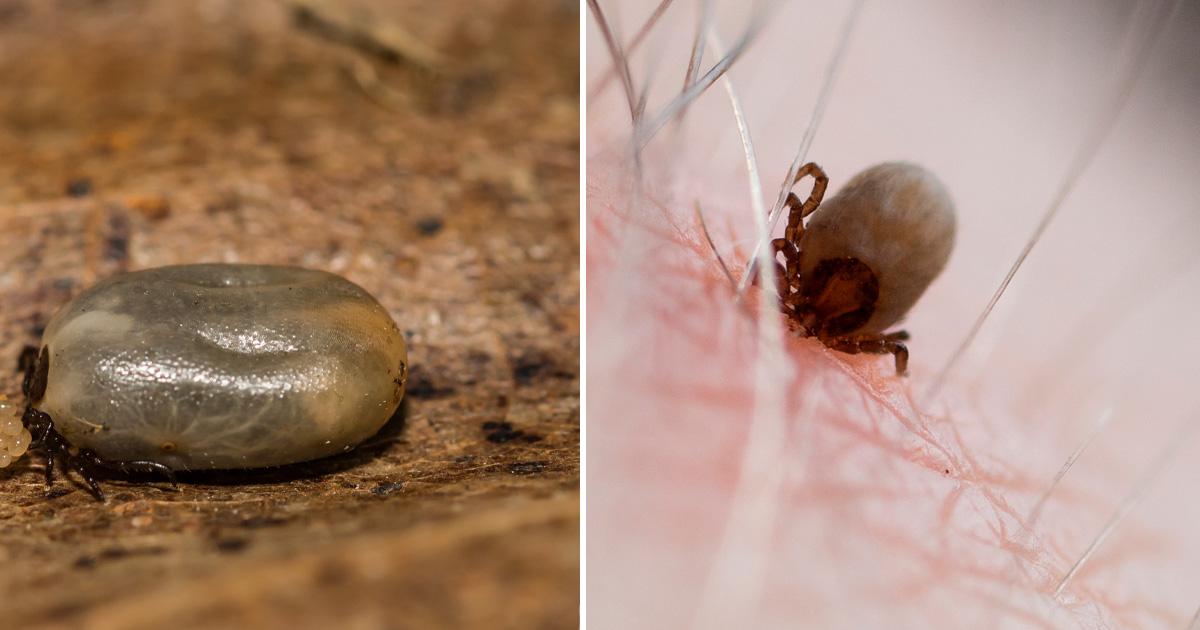
Health officials are raising concerns after a rare tick-borne virus reached its highest number of reported U.S. cases on record.
The Powassan virus, which has no specific treatment or cure, infected 76 Americans in 2025 – the highest annual total ever documented. By comparison, the disease has historically been extremely rare, averaging just seven reported cases per year, according to VT.
The virus was first identified in 1958 after a four-year-old boy developed unexplained symptoms.
According to Cleveland Clinic, the virus comes “from the bite of an infected Ixodes tick. Ixodes scapularis, commonly called blacklegged or deer ticks, are the most likely to spread it to people. Ixodes cookei (groundhog tick) and Ixodes marxi (squirrel tick) also carry Powassan virus, but they rarely bite people. Unlike some other tick-borne illnesses, a tick only needs to attach to you for a few minutes to infect you with Powassan virus.”
Dr. Jorge Parada, medical advisor at the National Pest Management Association in Chicago, told Fox News, said: “Powassan can be transmitted in as little as 15 minutes after the infected tick bites, while Lyme disease usually requires a 36- to 48-hour attachment time for transmission.”
The Powassan virus
Although transmission can happen rapidly, symptoms may not appear for as long as four weeks after a tick bite.
According to the U.S. Centers for Disease Control and Prevention (CDC), “symptoms can include fever, headache, vomiting, and weakness.” It “can cause severe illness, including inflammation of the brain (encephalitis) or the membranes around the brain and spinal cord (meningitis). Symptoms of severe illness include confusion, loss of coordination, difficulty speaking, and seizures.””
There is currently no medication that specifically treats or cures Powassan virus.
What to do if you’re infected
The CDC says people with mild illness need “rest, fluids, and over-the-counter pain medications,” to help manage symptoms. More serious infections, however, may need hospitalization, “to receive support for breathing, staying hydrated, or reducing swelling in the brain.”
Dr. Michael Smith of WebMD also warned about the virus, saying: “This is a rare virus you catch from a tick bite, same way Lyme disease is spread.
“While only 60 people have gotten the Powassan virus in the past 10 years, it’s caused seven deaths. About half of survivors have permanent neurological symptoms like memory problems.”
“The disease is extremely rare”
Smith also emphasized that “there are no medicines to treat or cure this virus right now.”
Instead, he recommends focusing on prevention by avoiding tick bites. That includes using insect repellent, wearing long sleeves and pants outdoors, checking your body for ticks after spending time outside, and showering within two hours to help wash away any ticks that have not yet attached, as well as being aware of where they might be.
Even with the recent increase in reported cases, Smith urged people not to panic.
“Remember the disease is extremely rare, so no need to worry– just be aware.”
READ MORE
- Shania Twain slammed over outfit and ‘cringe’ dance moves during opening for Harry Styles
- Nicole Kidman’s net worth revealed as ‘cocaine clause’ could land Keith Urban multimillion-dollar payout