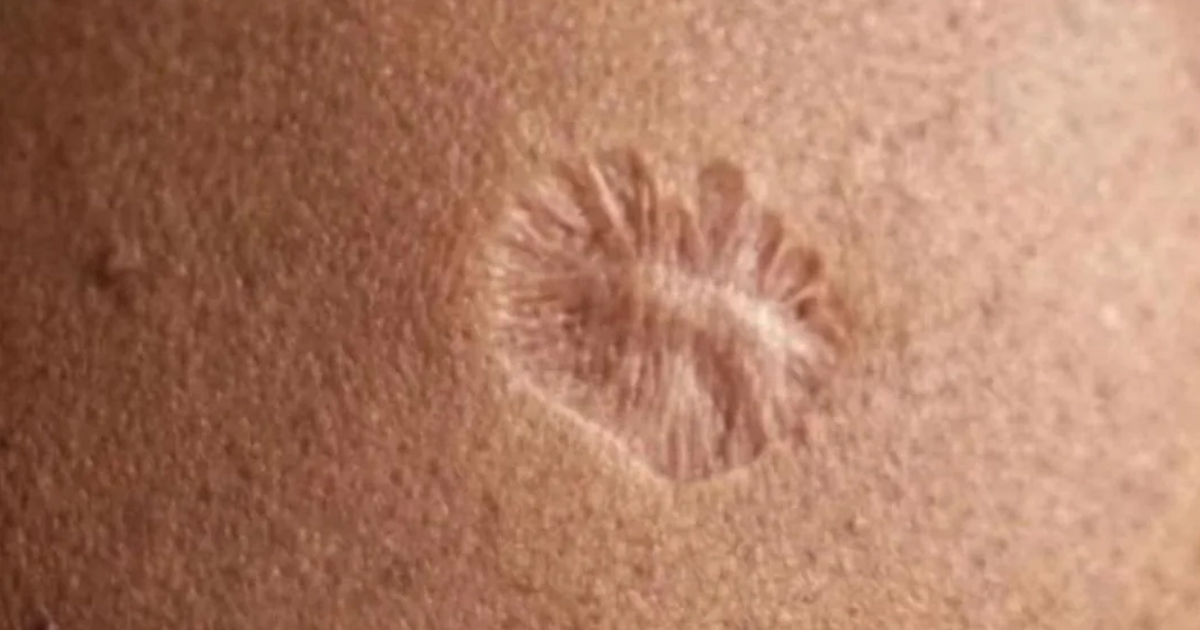
If you grew up in a certain generation, there’s a good chance you have one — a small, circular scar high on your upper arm that you may have wondered about at some point.
For many people, it’s been there for as long as they can remember. But why?
I have a clear memory of noticing a distinctive scar on my mother’s arm when I was a child. It sat high up, close to her shoulder, and looked almost like a ring of tiny indentations surrounding a larger dip in the skin.
For some reason, it fascinated me.
I can’t remember exactly why I noticed it, or whether I ever asked my mother about it. Perhaps I did. If she explained it to me, however, the answer clearly wasn’t important enough for my childhood brain to remember.
Years later, I spotted the exact same kind of scar on an elderly woman as I helped her off a train. There it was again — high on the upper arm, looking almost identical to the mark I’d seen on my mother.

Suddenly, that childhood curiosity came rushing back.
I couldn’t exactly stop the woman and ask her about the scar, so instead, I called my mother.
That’s when I finally learned the answer: the mysterious mark on her arm was left behind by the smallpox vaccine.
And millions of other people have the same story.
The distinctive, round indentation has recently sparked a wave of curiosity online, with people sharing photos of their own scars and asking why so many people have an almost identical mark.
One viral question asked, “Can anyone explain why everyone has this mark?”
Another person wondered, “Why does this old vaccine leave a permanent circular scar? Can you explain the science?”
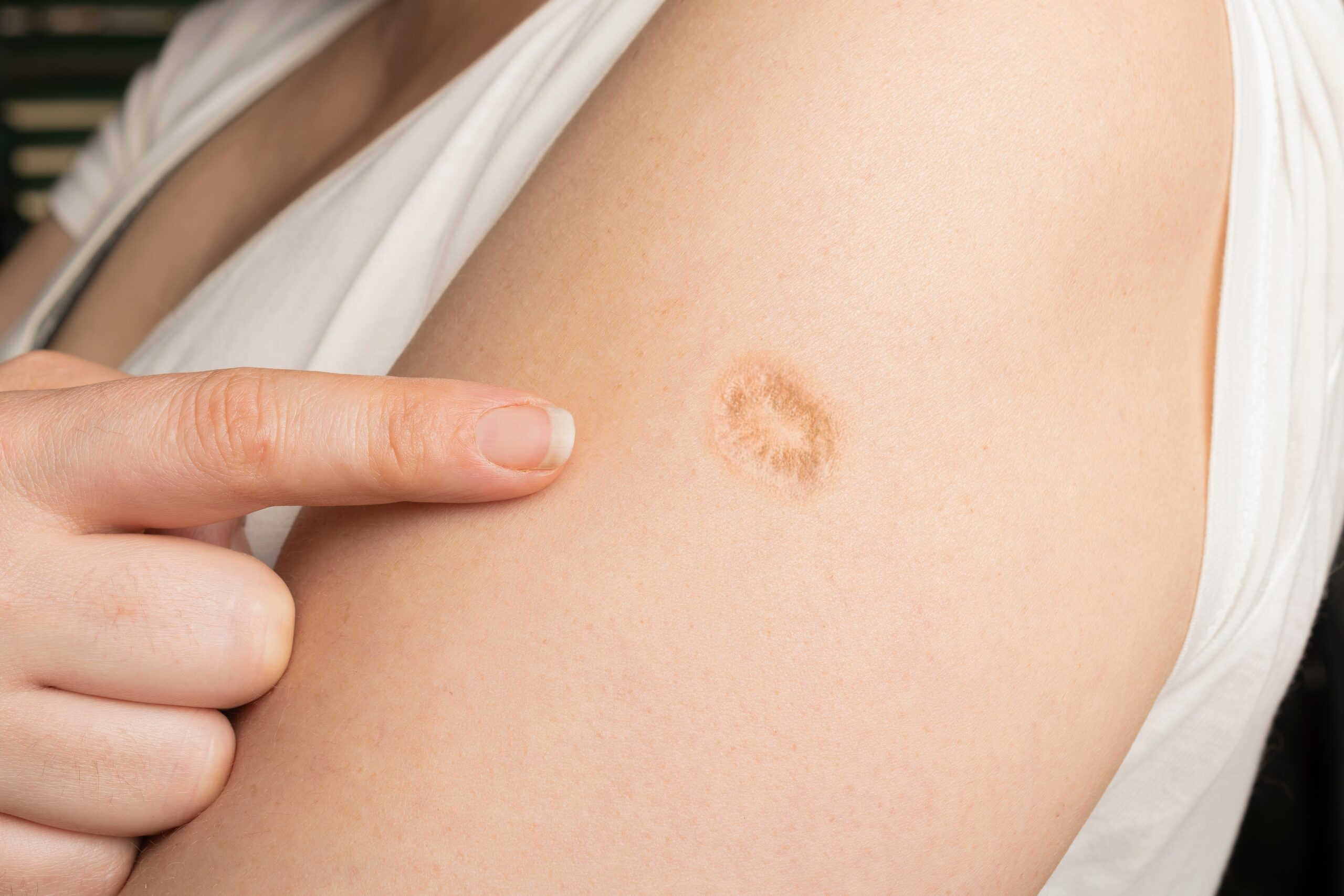
The answer goes back to the way the smallpox vaccine was administered.
Unlike most vaccines given today with a single fine needle, the smallpox vaccine was delivered into the skin using a special two-pronged needle. The healthcare worker made several small punctures in the skin, allowing the vaccine to enter the dermis.
The vaccine triggered a localized immune response. Small bumps formed at the injection site, followed by fluid-filled blisters that eventually burst, scabbed over and healed.
That healing process left behind the familiar circular scar.
For many people who received the vaccine, the mark became a permanent reminder of childhood vaccination — something that could remain visible decades later.
And the scar wasn’t necessarily unique to the United States. Depending on where someone grew up and when they were born, the mark could be the result of smallpox vaccination or, in some countries, the BCG vaccine against tuberculosis, which can also leave a distinctive scar.

Smallpox itself was once one of humanity’s most feared infectious diseases. It caused severe fever and a characteristic rash, and many survivors were left permanently scarred. According to the Centers for Disease Control and Prevention, about 3 out of every 10 people who contracted smallpox died.
But vaccination changed everything.
After a massive worldwide vaccination campaign, smallpox was declared eradicated in 1980 — one of the greatest achievements in public health history.
Routine smallpox vaccination in the United States ended in the early 1970s as the disease was brought under control, meaning younger generations are far less likely to have the distinctive scar.
That’s why, for many older Americans, that little mark on the upper arm can feel like a tiny piece of history.
You may have never thought much about it. You may have grown up assuming everyone had one.
But that seemingly ordinary scar tells a remarkable story about a disease that once terrified the world — and how vaccination eventually helped make it disappear.
Do you have the smallpox vaccine scar on your upper arm? Did you ever know what it was from? Let us know in the comments!
READ MORE
- Expert explains the real reason you wake at 3 a.m.
- 27-year-old diagnosed with ALS shares terrifying first symptoms everyone should know