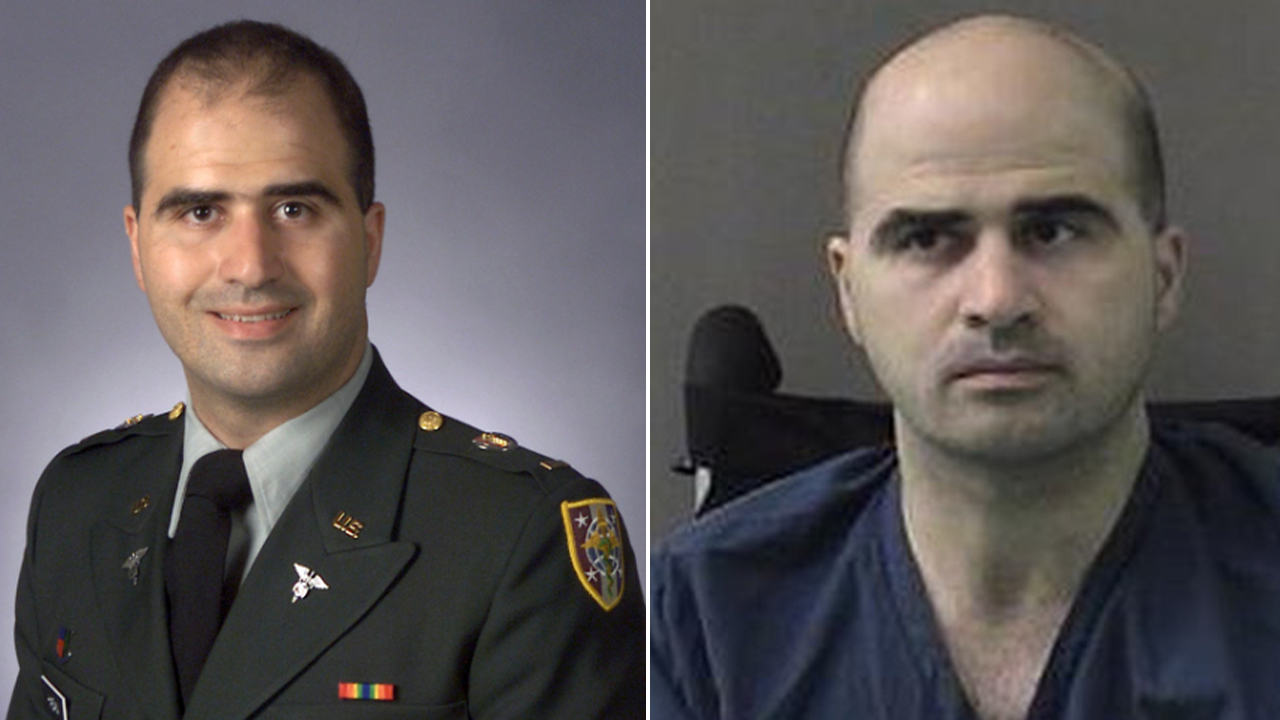
Nidal Hasan is set to face a firing squad — and the reason behind the unusual execution method is raising almost as many questions as the execution itself.
The former Army psychiatrist, convicted of killing 13 people in the 2009 Fort Hood shooting, is scheduled to be executed on December 3, 2026.
But unlike most recent executions in the United States, Hasan will not face lethal injection.
First in six decades
Instead, he is set to become the first person executed by the U.S. military in more than six decades — and the first military prisoner put to death by firing squad since 1945.
So why a firing squad?
The answer goes back to the fact that Hasan was convicted under the military justice system.
Military death sentences require presidential approval before they can be carried out. President Donald Trump approved Hasan’s execution following a recommendation from Defense Secretary Pete Hegseth, and the Army then moved to schedule the execution.
The firing squad is also significant because military executions have historically been carried out differently from civilian executions.
The last person executed by the U.S. military was Pvt. John Bennett, who was hanged in 1961. The last known U.S. military firing-squad execution took place in 1945.
That makes Hasan’s case exceptionally rare.
And the timing is impossible to ignore.
Failed execution brings renewed attention
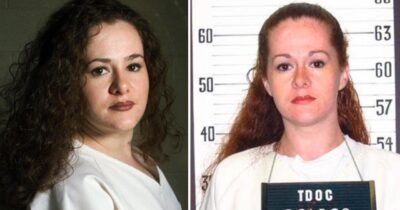
His execution was approved just days after Tennessee’s attempt to execute Christa Pike by lethal injection went disastrously wrong, leaving her hospitalized.
Pike had previously challenged the use of lethal injection and asked officials to consider alternative methods, including a firing squad.
Hasan’s case is different, however. His death sentence comes from a military court, and his execution is being handled through the military justice system rather than Tennessee’s state system.
Still, the failed execution has brought renewed attention to the practical problems surrounding lethal injection.
The Trump administration has also expanded the number of federal execution methods available, including firing squads, amid continuing difficulties obtaining lethal-injection drugs.
May not be the final word
For Hasan, the decision has now been made.
Acting Secretary of the Army Adam Telle announced that the execution is scheduled to take place at Fort Hood, the same Texas military base where Hasan carried out the attack.
But there is still an important question surrounding what happens next.
The Army has not publicly provided detailed information about exactly how the firing squad will be assembled or how the execution itself will be carried out. Military regulations do not spell out a detailed firing-squad procedure.
But despite the Army setting a date, legal experts warn that it may not be the final word.
Military law expert and Yale professor Eugene Fidell says Hasan could still take legal action that could delay the execution.
”There’s nothing common about this case. It’s a, it’s a unique case,” Fidell told 25ABC and added: ”The biggest question now is whether Dr. Hassan, either on his own or with the benefit of attorneys, will go to federal court to try to stop the train at this point, or at least slow it down.”
According to legal experts cited by The Associated Press, a habeas corpus petition could potentially delay the execution, possibly for a significant period of time.
Who is Nidal Hasan?
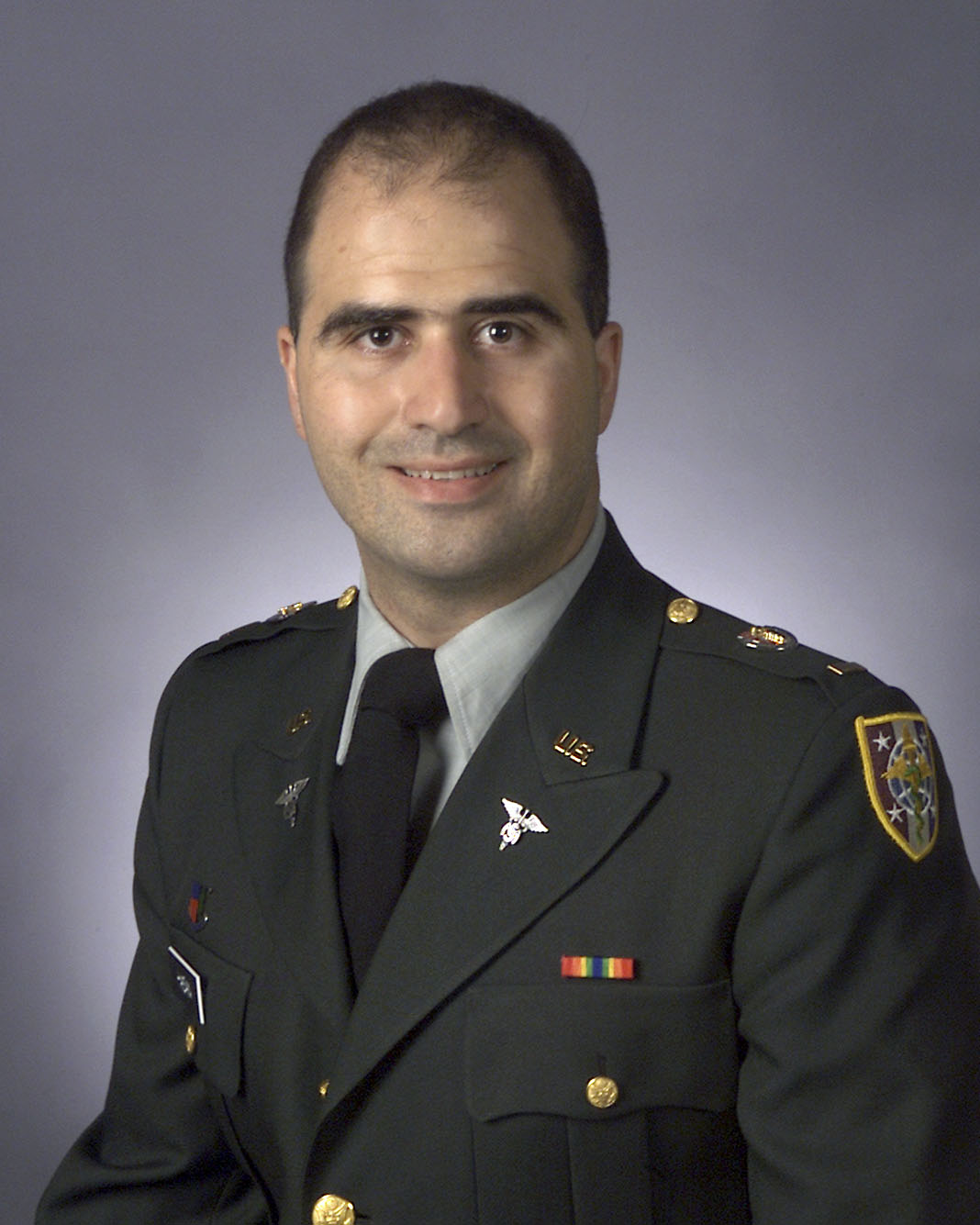
Nidal Hasan was an Army major and psychiatrist when he opened fire inside a medical facility at Fort Hood on November 5, 2009.
Soldiers were waiting for medical appointments when Hasan began shooting with a handgun equipped with a laser sight.
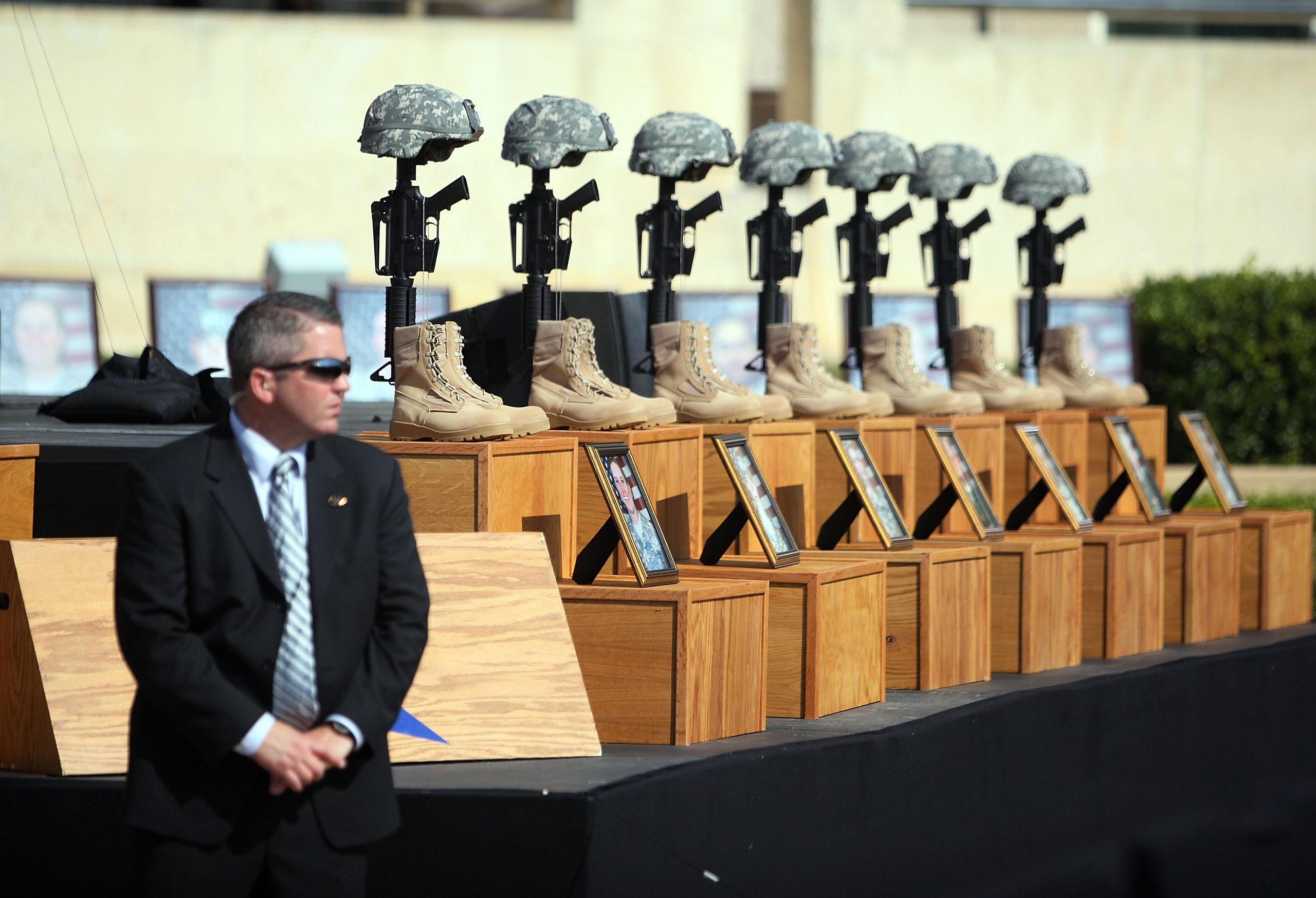
Thirteen people were killed and more than 30 others were wounded. Hasan was shot by police during the attack and was left paralyzed from the waist down.
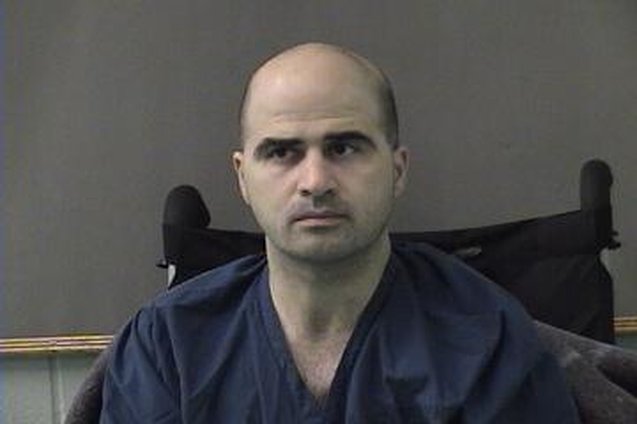
During his court-martial, Hasan admitted that he was the shooter and described himself as a soldier who had “switched sides.”
He was convicted in 2013 and sentenced to death.
Now, more than 17 years after the Fort Hood attack, his execution is scheduled to take place at the very same military installation where the killings occurred.
Long-standing connection to military tradition
The U.S. Army has turned to firing squads as a method of execution several times throughout its history, with the most recent case dating back to 1945.
While the method may appear unusual today, Stephen Jewell, an Austin-based military law attorney with Tully Rinckey PLLC, says it has a long-standing connection to military tradition.
”We haven’t done this in a long, long time, since the early 60s. The firing squad has historic connections to military service, that is how a lot of executions have been carried out within the history of the United States, knowing that this hasn’t happened in a long time. With various difficulties with lethal injection, things like that, that have also been in the news recently, you can only speculate, but, this seems to be very, part and parcel as far as a military function,” Jewell said.
READ MORE
- Mother of conjoined twins given just 24 hours to live reveals why she refused to separate them
- Eye-watering cost of Christa Pike’s failed execution