A master of horror.
And the best actor that has ever portrayed Dracula.
Yet this Hollywood icon died nearly penniless after a 20-year battle with drug addiction.
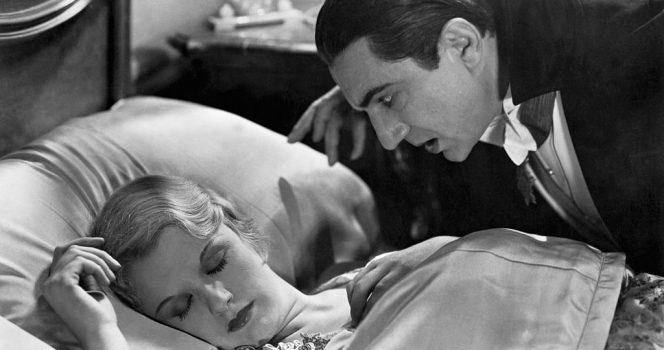
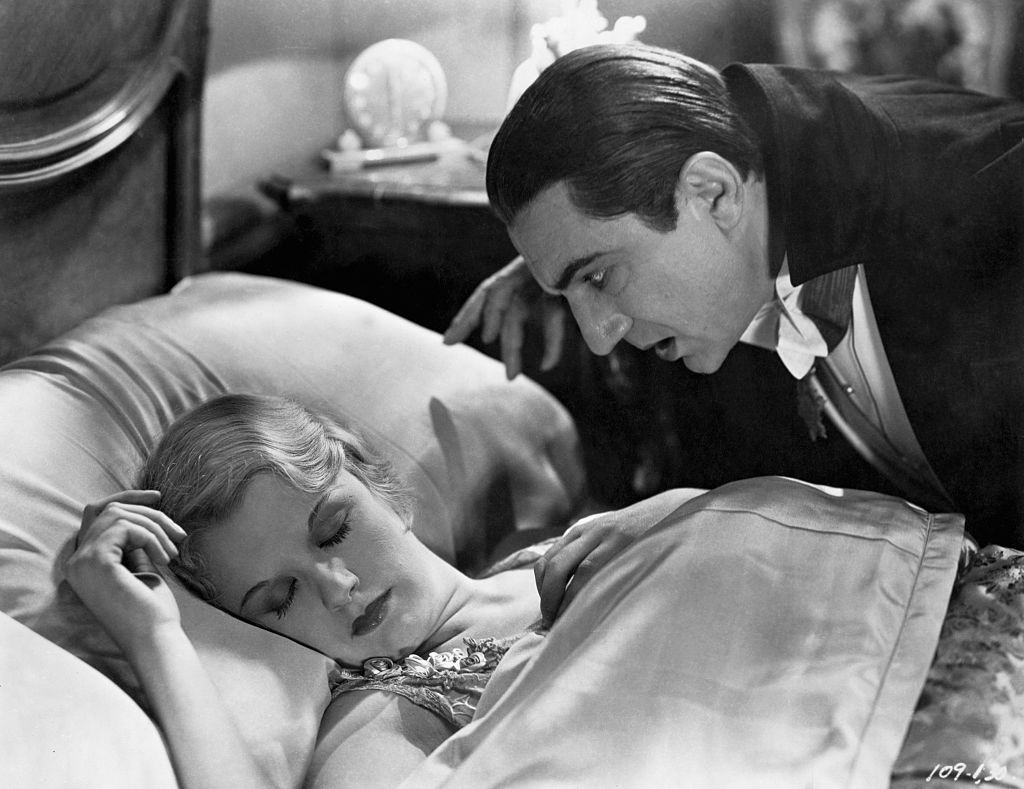
On screen, he turned Dracula into something far more chilling than a monster — an eerily intelligent, aristocratic embodiment of pure evil, unmatched by anyone who followed in the role.
Yet when Bela Lugosi, forever immortalized as the unforgettable Dracula of 1931, died at 73, he left behind a legacy that had both haunted and mesmerized audiences across the globe.
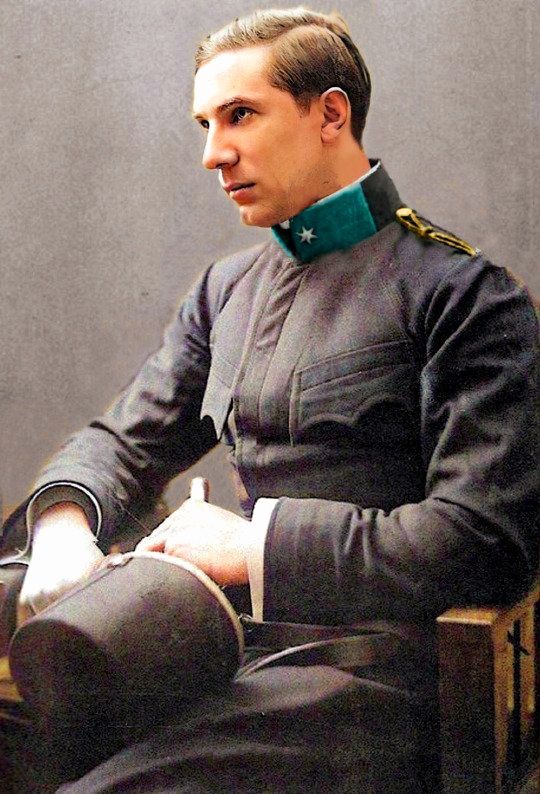
A Hungarian immigrant, Lugosi had fled Europe to escape growing persecution long before the Great Depression took hold. Before Hollywood ever knew his name, he had already lived a full and turbulent life — serving as a soldier in World War I, devoting himself to the theater, and building an impressive stage career in his homeland with hundreds of performances behind him.
He transitioned into silent films in Hungary, but political unrest soon upended everything. After the collapse of the Hungarian Communist Revolution, his ties to socialist causes made it impossible for him to stay.
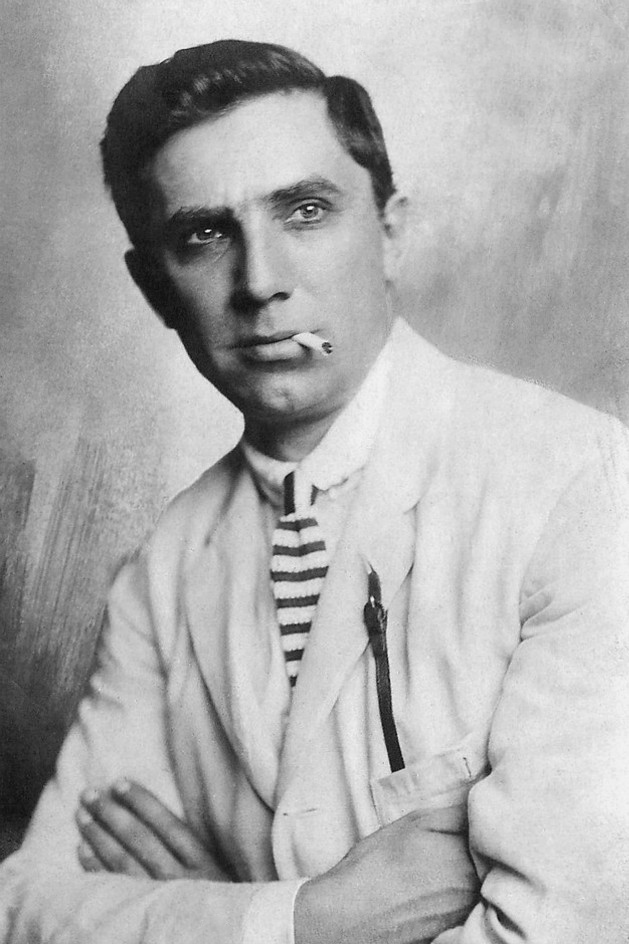
Forced into exile, he moved through Germany, acting in films during the Weimar era, before making a dramatic Atlantic crossing as a seaman aboard a merchant ship. He landed in New Orleans, then traveled north to New York City, passing through Ellis Island with little more than his talent and determination.
From there, Lugosi pushed his way into American theater and eventually Hollywood, where he became one of cinema’s earliest horror icons — standing shoulder to shoulder with legends like Boris Karloff and Lon Chaney, and forever reshaping the genre with his haunting presence.
He first brought Count Dracula to life on Broadway in the late 1920s, starring in a stage adaptation of Bram Stoker’s novel that quickly drew attention.
When the production moved west, he went with it — and ended up putting down roots in Hollywood. Not long after, the role followed him to the screen, when he starred in Universal Pictures’ 1931 film Dracula, directed by Tod Browning, a performance that would define his career and cement his place in movie history.
But despite his fame, the shadow of Dracula would follow him relentlessly, making it almost impossible for him to escape typecasting.
Over time, Lugosi’s career slowed to appearances in low-budget films and parodies of the very monster that had made him a star. Financial troubles and a decades-long battle with addiction marked his later years.
By the end of his life, he had little money and fragile health. He married five times and had one son, Bela G. Lugosi.
“He didn’t answer me when I spoke to him, so I went to him. I could feel no pulse, but apparently he must have died a very short time before I arrived,” his fifth wife, Hope, recalled to The Los Angeles Times in 1956.
“We have been very happy together. He seemed to be getting much better month by month, and it was a great shock to me to find him dead when I entered the house.”
In the year before his death, Lugosi sought institutional care, openly acknowledging the toll of narcotics and alcohol. During the height of his career, Lugosi was being treated for severe sciatic pain and was placed on a steady regimen of medication. Over time, that treatment spiraled into dependency, as he became addicted to morphine and methadone that had originally been prescribed by doctors.
British author Thomas Wiseman met him during this period and recalled a man who was “already a broken, dying man.”
“The money he had made from his films, about $200,000, had gone. The famous hypnotic eyes were vacant. His hands trembled uncontrollably…He was ready to talk frankly about his degeneration as a human being. He spoke in a dead, flat, comatose voice about how he’d become an alcoholic and a drug addict. Last year, when all his money had gone, he had to leave the private sanatorium where he was being treated,” Wiseman wrote.
Desperate for help, Lugosi even asked the courts for formal institutional care.
“‘I have been addicted to narcotics for 20 years. I need help,’” he told the judge, pleading to be “put in restraint,” or committed to a state institution.
The Associated Press reported that the Hungarian-born actor underwent a three-month rehabilitation program.
“He was admitted to hospital to begin a three-month rehabilitation course, and when he was released, he said he was convinced that he had been cured forever,” the obituary read.
Despite his trials, Lugosi never lost his humanity. His son, Bela Lugosi Jr., later shared a bittersweet detail: his father urged him not to pursue an acting career, aware of the harsh, unforgiving realities of Hollywood fame.
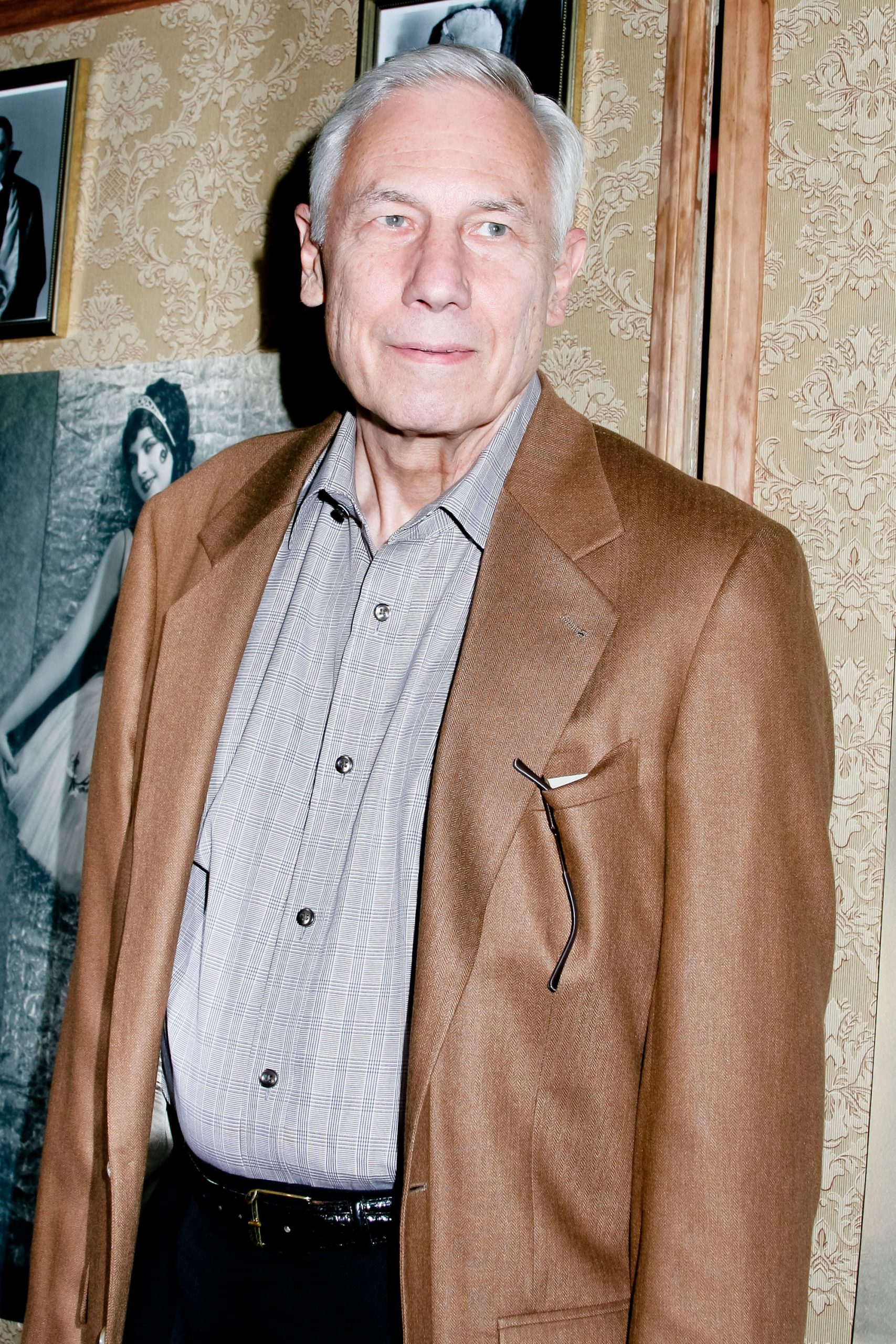
Lugosi’s story is a tragic reminder that even icons—those whose faces and voices define entire genres—can face unimaginable struggles behind the scenes. He may have died physically broken and financially drained, but his legacy as the immortal Dracula continues to haunt the world of film forever.
READ MORE
- White House issues scathing response to Mark Ruffalo’s comments about Vance and Trump
- Teen who was only survivor of murder-suicide that wiped out his family dies suddenly aged 19