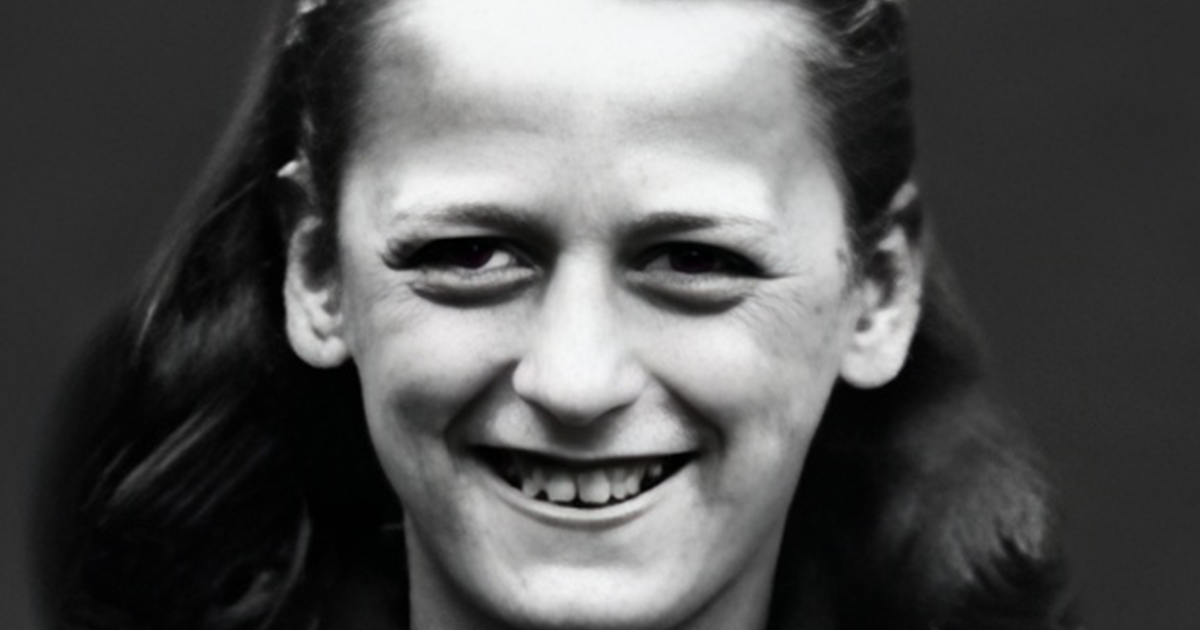
On the surface, she looked like any ordinary little girl — sweet, innocent, even a little shy. But behind those eyes lurked a darkness that would one day shock an entire nation.
Today, her childhood photos offers a haunting, chilling glimpses of the monster she would become.
Slept beside her parent’s bed
When investigators examine the lives of serial killers, they often trace the roots back to childhood. Trauma, neglect, and abuse frequently appear as warning signs of a mind slowly warped into something monstrous. Experts have found a key common thread: early experiences of emotional cruelty, isolation, and rejection, which can leave a person with a deep, enduring sense of loneliness.
This girl did grow up witnessing her father’s alcoholism and her parents’ abusive relationship. But back then, in 1940s Manchester, situations like this weren’t unusual, many children experienced similar struggles.
She was born July 23, 1942, in Gorton, Manchester. Her mother, Nellie, worked as a laborer, while her father, Bob, was an aircraft fitter during World War II. He was absent for her early years, serving his country and serving in North Africa, Cyprus and Italy.
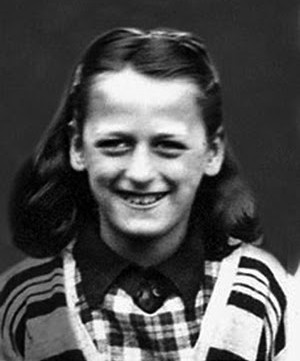
The family’s home was cramped and rundown, and the girl was made to sleep in a single bed right beside her parents’ double bed.
After the war, her father sank into depression and heavy drinking. His verbal and physical abuse toward Nellie became so intense that the girl was sent to live with her grandmother, Ellen, though she still spent some time with her parents.
She would leave whenever violence broke out, which was often.
Despite the resentment she felt toward her father, she later credited him for teaching her to defend herself and her sister, Maureen, against bullies.
Around the age of eight, a local boy scratched her cheeks, drawing blood. She ran crying to her father, who threatened to “leather” her if she didn’t fight back. Following his instructions, she tracked the boy down and landed a series of punches, later recalling, “At eight years old I’d scored my first victory.”
Bob had been a champion boxer, and some of his training rubbed off on the girls.
Yet the abuse she witnessed at home would leave a lasting mark, one that would surface in her own dark, sadistic behaviors later.
The drowning that changed everything
As a teenager, she formed a close friendship with a thirteen-year-old neighborhood boy named Michael.
“I became very protective of him,” she later said.
In the summer of 1957, tragedy struck. Michael invited her for a swim at the local reservoir, but she couldn’t go. That evening, she learned he had drowned.
Devastated and blaming herself, she turned to Roman Catholicism for comfort. Just over a year after finishing secondary school, she received her first Holy Communion in 1958.
Like many teens, she went out dancing, to the movies, and even played bingo, but her seemingly normal teenage life was beginning to show cracks. Beneath the surface, a darker side was emerging.
A dark streak appears
Her first job was as a junior clerk at a local electrical engineering firm. She ran errands, typed, and made tea. She was well-liked, and when she lost her first week’s wages, the other women pooled their money to replace it. But suspicion grew when she repeated the same story.
She also took judo lessons, earning a reputation for refusing to release her grip.
In late 1958, she received a marriage proposal from her 16-year-old boyfriend, Ronnie Sinclair, on her seventeenth birthday. She initially accepted but broke it off a few months later, saying the young man was immature and unable to provide her with the life she wanted.
Soon, another man would enter her life, a man who would become inseparable from the horrifying crimes she would commit.
Meeting Ian Brady
About a year later, while interviewing for a typist job at a small chemical company in Gorton, she met Ian Brady. The connection was instant and intense, what she later described as a “fatal attraction.”
By now, the girl had grown into Myra Hindley, and together with Brady, they would become known as The Moors Murderers, committing a string of murders that horrified the U.K. for decades.
While their early relationship revolved around shared admiration for poets like William Wordsworth and William Blake, the bond quickly turned dark. The couple considered themselves intellectually and culturally superior to others and looked down on their working-class peers.
Brady immersed himself in nihilistic philosophy and the writings of the Marquis de Sade, promoting a worldview where acting on one’s impulses without consequences was acceptable. These twisted ideas soon spilled into their sexual lives.
Hindley later recounted horrific abuse, claiming Brady would humiliate and beat her.
Brady also tried to manipulate Hindley into hating Black and Jewish people, mocking her religious faith along the way.
Ian Brady: “I want to commit the perfect murder.”
Initially, the pair bought guns for robberies, but their ambitions quickly escalated into something far more depraved. Brady showed Hindley a book called Compulsion, about the abduction and murder of a 12-year-old girl named Myra—a haunting foreshadowing.
The murders begin
On July 12, 1963, Hindley learned Brady’s plan to commit the “perfect murder.” She drove a van while Brady followed on his motorcycle, using a headlight to signal when a target was chosen.
The first victim was a young girl she recognized as a neighbor—so she drove away. But shortly afterward, she picked up 16-year-old Pauline Reade, a classmate of her sister, Maureen, luring her with the promise of helping find a lost glove.
Brady met them on Saddleworth Moor, walking Reade into the woods while Hindley stayed in the van. Thirty minutes later, Brady returned alone. Reade had been brutally attacked, her throat cut with “considerable force.”
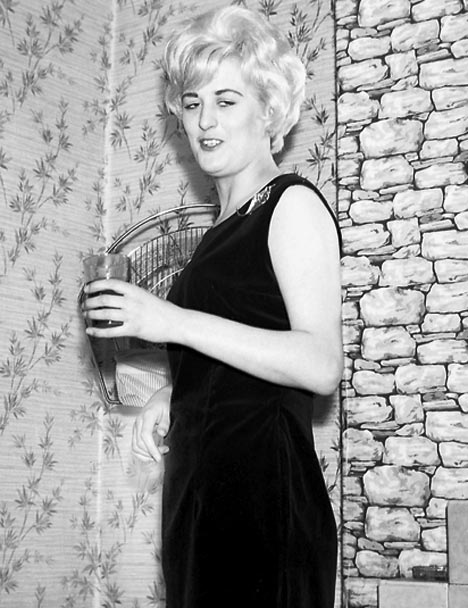
When Hindley asked if Reade had been assaulted, Brady chillingly replied: “Of course I did.”
He buried her on the moor, and Hindley later admitted to participating in the sexual assault.
Over the next two years, the pair lured John Kilbride (12), Keith Bennett (12), Lesley Ann Downey (10), and Edward Evans (17) into similar traps. Some victims were brought to their home on Wardle Brook Avenue, others to the moor. Downey and Evans were killed at the home, with bodies later buried on the moor.
The arrest and missing victim
Edward Evans’ murder involved Hindley’s brother-in-law, David Smith, who witnessed Brady attacking Evans with a hatchet and then strangling him. Smith later told authorities:
Hindley cried out: “Dave, help him.”
Smith was too horrified to act at the time, but after Brady left, he returned home, drank tea made by Maureen, and vomited, finally reporting what he saw to the police.
Two officers, disguised as bread delivery men, visited Wardle Brook Avenue and eventually discovered Evans’ body. Hindley was arrested on October 11, 1965, as an accessory to murder. Investigators soon linked her and Brady to other missing children, with neighbors providing crucial information.
While most bodies were eventually recovered, 12-year-old Keith Bennett was never found. Brady admitted to Bennett’s and Reade’s murders in 1985, but Bennett’s remains remain missing. Searches continued as recently as 2022.
Life behind bars
When Brady and Hindley appeared in court in 1966, the entire nation was riveted.
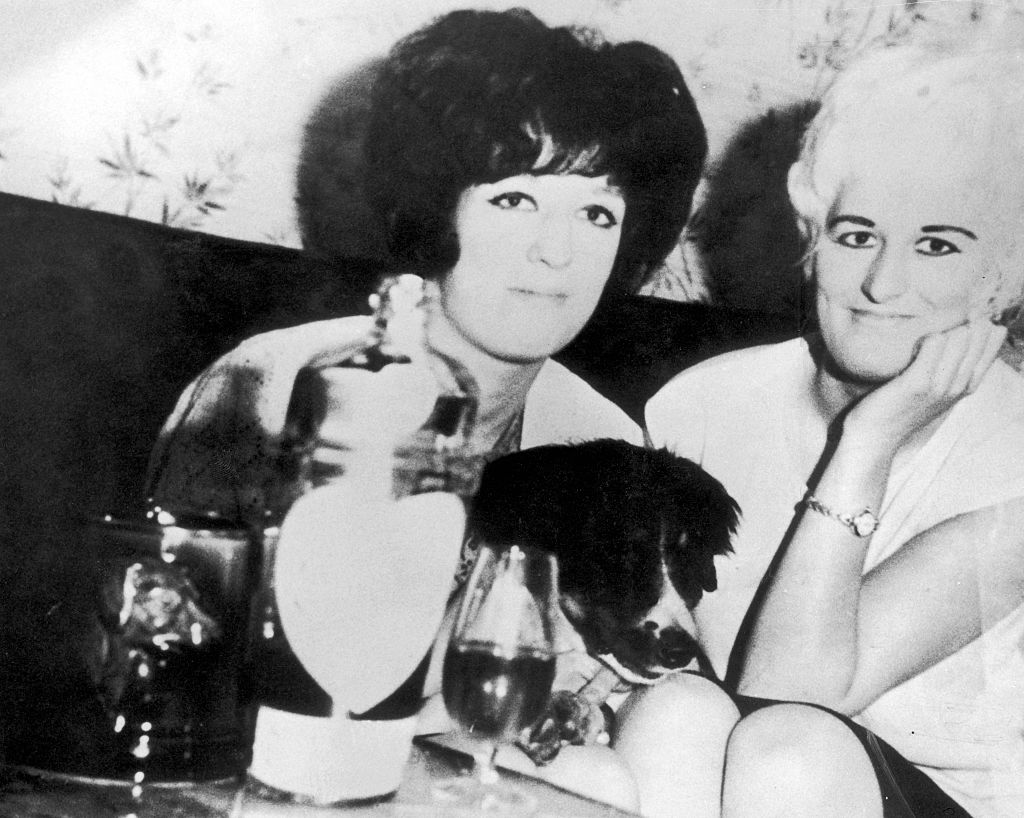
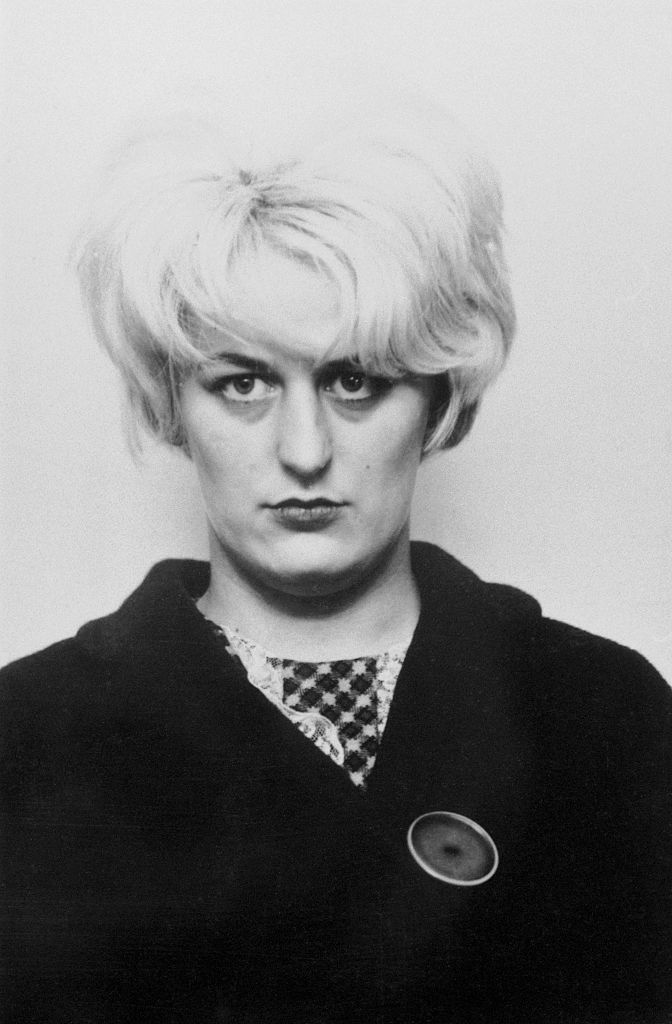
Their mugshots — especially Hindley’s vacant stare and striking peroxide-blonde hair — became infamous, etched into the public imagination as chilling symbols of betrayal and horror.
The fourteen-day trial drew intense attention, leaving people across Britain shocked and outraged. Security was so tight that the courtroom was fitted with bulletproof glass, as authorities feared someone might try to attack the pair amid the nation’s fury.
Brady showed no remorse for his crimes. He fully embraced his role as the villain, later calling himself “evil” and openly expressing pride in what he had done.
During the trial, Hindley sat in the witness box alongside her mother, Nellie. When questioned about her relationship with Brady, she said, “I loved him, and I still…. I love him.”
“The most evil woman in Britain”
Hindley was sentenced to life in prison and remained behind bars for the rest of her life. Dubbed by the press as “the most evil woman in Britain,” she repeatedly appealed her life sentence, insisting she had reformed and was no longer a threat, but she was never freed.
She died of bronchial pneumonia in 2002, at age 60. Brady died 15 years later, in 2017.
Hindley’s bleached-blonde photos became a fixture in the British media for decades, and her crimes remain some of the most shocking in U.K. history, still sending chills through anyone who reads about them.
Her crimes have left a lasting mark on popular culture. Her image, often compared to the mythical Medusa, became a symbol of “feminine evil,” inspiring everything from tabloid obsession to controversial art, like the 1997 Sensation exhibition’s Myra, made from children’s handprints.
READ MORE
- Quadruple murderer complains about prison bananas – get’s perfect response
- Viewers warned to watch this movie alone on Netflix