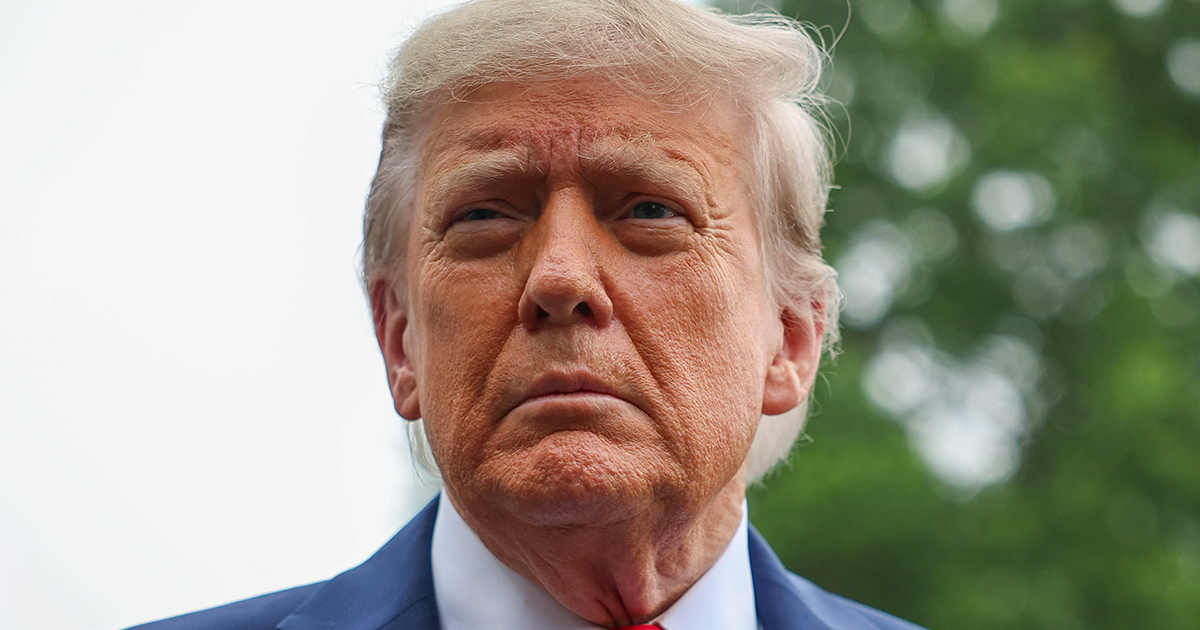
President Donald Trump has acknowledged the possibility of Iranian retaliation on U.S. soil, saying that when the United States goes to war, “some people will die.”
But where in the United States would it be safest to be if World War III broke out? Some experts believe they have the answer.
Fears of a global conflict are rising as geopolitical tensions escalate, with the latest war between the United States and Iran driving much of the concern.
As of Wednesday, March 4, more than 1,000 people were believed to have been killed in the conflict in the Middle East, which has spread to affect neighboring countries.
Officials warn that the situation could escalate further, raising fears of a broader regional war with serious global consequences.
When asked whether Americans should be concerned about possible retaliatory attacks on U.S. soil amid the ongoing conflict in the Middle East, Donald Trump acknowledged the possibility during an interview with Time.
“I guess,” he told the outlet.
“But I think they’re worried about that all the time. We think about it all the time. We plan for it. But yeah, you know, we expect some things,” he continued.
“Like I said, some people will die. When you go to war, some people will die,” the president added.
Closer than many realize, according to some
Some world leaders believe the world may already be closer to a global conflict than many realize. Ukrainian President Volodymyr Zelensky told the BBC he believes the conflict that began with Russia’s invasion of Ukraine could already mark the start of a larger war.
“I believe that Putin has already started it [WW3]. The question is how much territory he will be able to seize and how to stop him.
“Russia wants to impose on the world a different way of life and change the lives people have chosen for themselves.”
Public concern appears to reflect those fears.
A YouGov survey conducted across the UK, France, Germany, Italy and Spain found that between 41 percent and 55 percent of people in each country believe another world war could break out within the next five to ten years. In the United States, around 45 percent of Americans share that view.
Even more worrying, most respondents believe any future global war would likely involve nuclear weapons. According to the survey, between 68 percent and 76 percent of those questioned expect nuclear arms to be used if such a conflict erupts.
Because of that possibility, researchers have also examined which locations might be safer, and which could be at greater risk.
Safest places in US
Outside the United States, several historically neutral countries are often mentioned as relatively safer places during global conflicts. Switzerland, for example, has maintained neutrality for more than two centuries. Ireland and Austria also have long traditions of remaining outside major wars, while Denmark is sometimes included in discussions about stable and defensible nations.
And new analysis suggests that where you live could play a major role in how safe you might be if the unthinkable happened. Within the United States, however, safety could depend heavily on proximity to military targets.
According to research highlighted by Newsweek, many states along the East Coast and Southeast might be less likely to be immediate targets in a nuclear strike. These include Maine, New Hampshire, Vermont, Massachusetts, Rhode Island, Connecticut, New York, New Jersey, Pennsylvania, Delaware, Maryland, Virginia, West Virginia, North Carolina, South Carolina, Georgia and Florida, along with several Midwestern states.
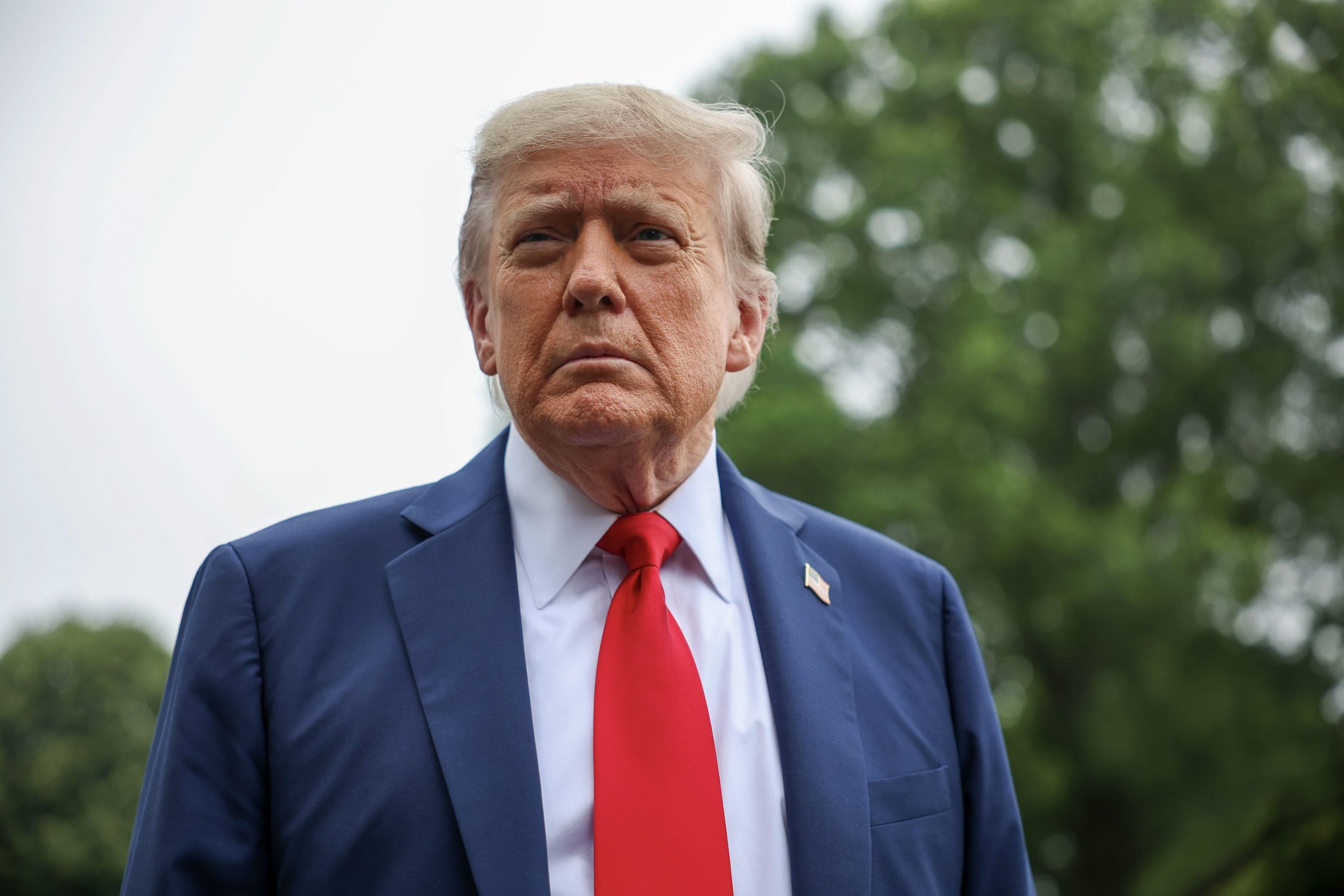
But experts say a number of states in the central United States could face greater risk in a worst-case scenario.
States such as Montana, Wyoming, Colorado, Nebraska, South Dakota, North Dakota, Iowa and Minnesota are believed to be among the most vulnerable because they are located near key U.S. missile silo sites.
In the event of a nuclear war, those silos would likely become priority targets. Destroying them early could prevent the United States from launching retaliatory strikes, making nearby regions more exposed to attack.
Still, analysts stress that geography alone would not guarantee safety.
With thousands of nuclear weapons still in existence worldwide, experts warn that major cities, military bases and critical infrastructure could all become potential targets in a large-scale conflict.
In short, even if some locations appear less vulnerable than others, specialists caution that in a nuclear war “no place is completely safe.”
READ MORE
- What causes the ”old people smell” and how you can manage it
- Expert explains why Punch’s mom abandoned him and why other monkeys ‘bully’ him