
Reaching your 80s reflects a lifetime of experience and change, but it also brings a quiet shift in perspective. As that milestone comes into view, the focus becomes less on how long you’ve lived, and more about the quality of the years ahead.
Some people seem to carry an undeniable spark well into their later years. They stay curious, socially engaged, and mentally sharp. Others, however, appear to lose momentum much earlier, gradually stepping back from the world around them.
While it’s easy to assume this difference comes down to genetics or chance, research continues to point toward something more complex – and more hopeful.
What sets these experiences apart often comes down to a few simple habits.
Purpose changes everything
Without the structure that once shaped daily life, time can begin to feel unanchored, and for many people in their 80s, the routines that once gave each day direction quietly fall away without a clear sense of what replaces them.
This is where purpose becomes practical. In Okinawa, Japan – “a blue zone with the highest concentration of centenarians in the world – the concept of ikigai, often described as “the happiness of always being busy,” reflects having a reason to stay engaged in life.
According to CNBC, this idea is closely tied to the longer, more fulfilling lives seen across the region.
Purpose doesn’t need to be grand or externally visible. It can take shape in small, consistent ways – caring for others, pursuing interests, or simply feeling needed. What matters is the sense that each day still holds meaning.
Connection is essential, not optional
It’s often said that social life is something extra, something to enjoy when everything else is in place. But later in life, connection shifts from being a bonus to something much closer to a necessity.
Loneliness doesn’t stay confined to emotions. It affects the body in measurable ways, keeping stress levels elevated and contributing to inflammation that can impact long-term health.
Long-running research from Harvard continues to underline just how powerful relationships can be: “Loneliness kills,” Robert Waldinger, director of the study, told the Harvard Gazette. “It’s as powerful as smoking or alcoholism.”
Discussing the research, the Harvard professor determined that “embracing community helps us live longer, and be happier.”
“The surprising finding is that our relationships and how happy we are in our relationships has a powerful influence on our health,” Waldinger said. “Taking care of your body is important, but tending to your relationships is a form of self-care too. That, I think, is the revelation…The people who were the most satisfied in their relationships at age 50 were the healthiest at age 80.”
Mobility builds confidence
There’s a long-standing belief that physical decline speeds up dramatically with age, creating the impression that losing independence is inevitable. While the body does change over time, research continues to show that mobility plays a much bigger role in maintaining quality of life than many people realize.
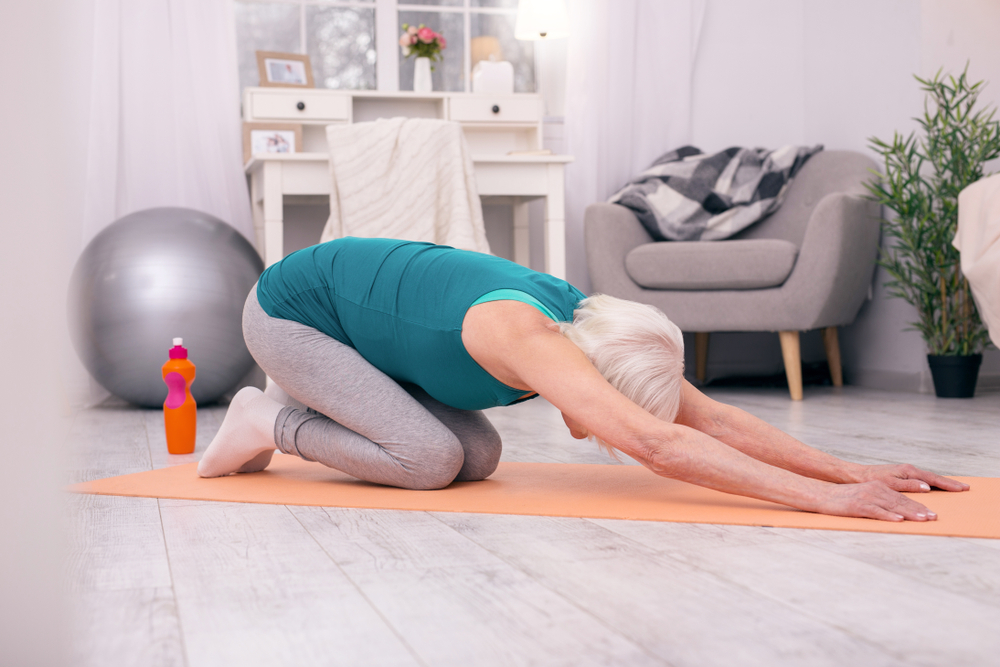
Movement, in this context, isn’t about performance or appearance, but about preserving the ability to manage everyday activities with confidence and without relying heavily on others.
This idea is echoed by experts who emphasize the importance of staying active later in life.
“For many older adults, it is helpful to have a conversation about what they value, and often times that includes things like being independent and enjoying things in their life, which often requires being as mobile as possible,” Dr. Angela Catic said in a Baylor College of Medicine report. “If they want to remain as functional and independent as possible, exercise is typically an important part of how they can do that.”
“As we get older, it’s natural that our muscles are not as strong, which is known as sarcopenia. We can slow that with regular exercise,” Catic added.
Foods that support longevity
What you eat continues to matter, even more so as the body adapts to aging. Nutrient-dense foods provide the building blocks needed to support memory, muscle health, and overall resilience.
According to the National Council on Aging (NCOA), several foods consistently stand out for their role in healthy aging:
- Dark leafy greens
- Cruciferous vegetables
- Blueberries
- Nuts and seeds
- Eggs
- Salmon and fatty fish
- Plain Greek yogurt
- Avocados
These foods offer a mix of antioxidants, protein, healthy fats, and essential vitamins that help the body function more efficiently over time.
Living into your 80s is no longer unusual – but how those years are experienced can look dramatically different from one person to another. The difference often lies not in chance, but in the quiet patterns built into everyday life.
Do you have any personal advice for living a happy, healthy life after 80? Please share your tips in the comments, and don’t forget to share this story so we can also hear some wisdom from others!
READ MORE
- Stroke prevention tips: 3 things to avoid after meals and 4 before bedtime
- Doctor claims you could be aging terribly if you can’t do these five things