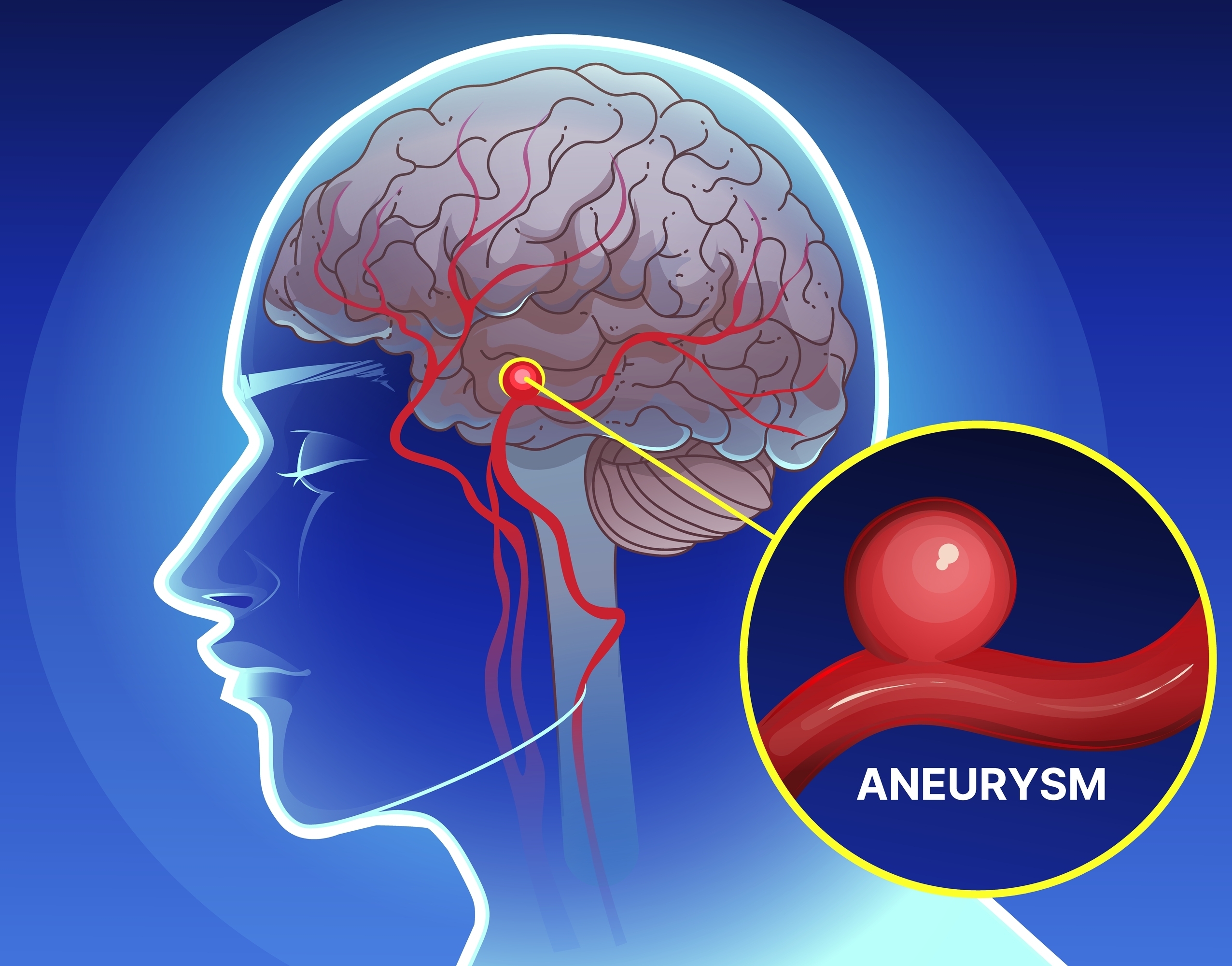
A brain aneurysm is a bulge or weak spot in a blood vessel in the brain.
On its own, it’s actually quite common and often harmless, since many aneurysms never cause symptoms or rupture.
However, if one leaks or bursts, it can lead to bleeding in the brain — known as a hemorrhagic stroke — which is a life-threatening emergency.
Is called a “sentinel bleed”
One of the most important warning signs is a sudden, severe headache. According to the Brain Aneurysm Foundation, other common symptoms can include nausea, a stiff neck, blurred vision, and sensitivity to light.
Not everyone experiences all of these signs, but if they appear suddenly, it’s critical to call emergency services rather than trying to get to the hospital on your own. Fast medical response can save a life.
In some cases, an aneurysm may begin leaking small amounts of blood before a full rupture. This is called a “sentinel bleed.” It often causes a sudden, intense headache that can last for days or even weeks. This is an early warning sign and should never be ignored — immediate medical care is essential.
Unruptured aneurysms usually go unnoticed and are often found during scans for other conditions. But if they grow larger, they can press on nearby nerves and cause symptoms such as:
- Blurred or double vision
- Pain around one eye
- A drooping eyelid
- A dilated pupil
- Weakness or numbness
- Changes in headache patterns
Ehlers-Danlos syndrome
If any of these symptoms appear, it’s important to seek medical attention right away. Aneurysms develop when artery walls in the brain become weak or thin.
Some people are born with this condition, while others may be more likely to develop one due to genetics, especially if a close family member has had an aneurysm. Women and people over 40 are also at higher risk.
Certain medical conditions can increase the likelihood as well, including arteriovenous malformations, polycystic kidney disease, Marfan syndrome, and vascular Ehlers-Danlos syndrome, according to the Cleveland Clinic.
Lifestyle factors like high blood pressure, smoking, heavy alcohol use, and drug use (particularly cocaine) can further weaken blood vessels.
When an aneurysm ruptures, the bleeding may last only seconds, but it can cause severe damage. It can destroy brain cells, increase pressure inside the skull, and disrupt oxygen flow, potentially leading to unconsciousness, permanent brain damage, or death, as noted by the Mayo Clinic.
Even after treatment, complications can occur. There’s a risk of re-bleeding, narrowing of nearby blood vessels (which can lead to an ischemic stroke), or fluid buildup in the brain, a condition called hydrocephalus.
While not all aneurysms can be prevented, especially those linked to genetics, there are ways to lower your risk. The NHS recommends focusing on controlling blood pressure and avoiding smoking. Eating a balanced diet, exercising regularly, limiting alcohol and caffeine, and maintaining a healthy weight can also help, and these habits benefit overall health far beyond reducing aneurysm risk.
READ MORE
- Prince Louis’ new birthday photo leaves royal fans upset over one detail
- Keanu Reeves’ dramatic new look turns heads