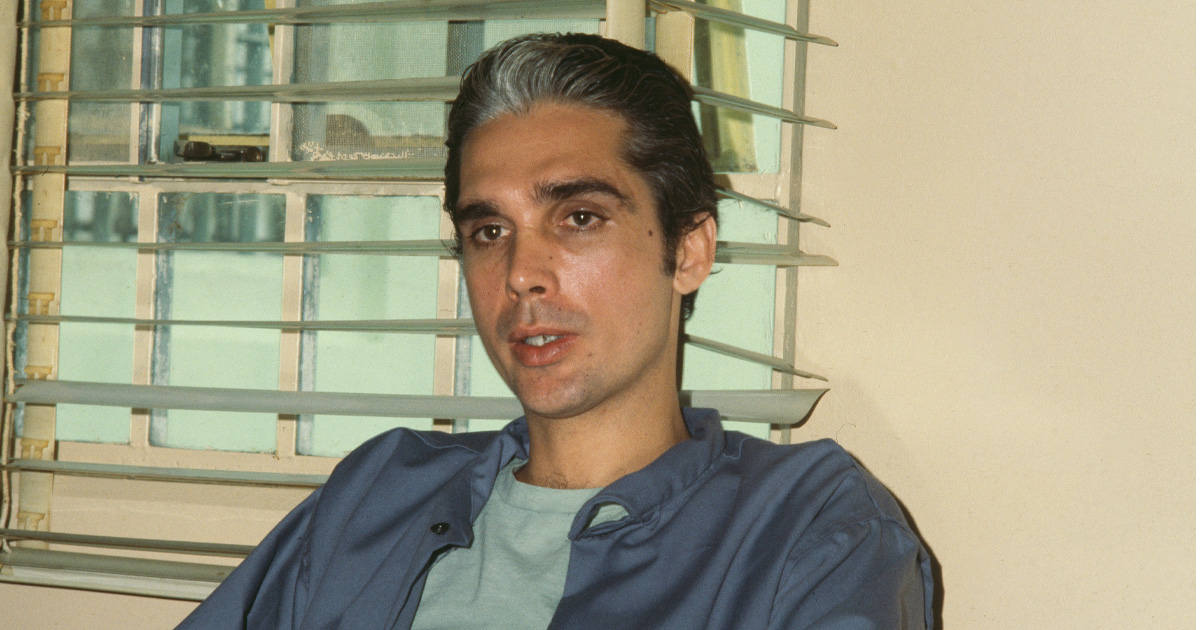
One Florida death row inmate is the reason prisoners in the state can no longer choose this one thing before their execution.
Florida death row inmates were allowed to include one specific thing with their last meal before their execution. But that long-standing tradition came to an abrupt end after one inmate’s actions sparked outrage.
John Spenkelink, 30, was put to death after being sentenced for the 1973 killing of Joseph Szymankiewicz inside a motel room. According to the case, Spenkelink shot Szymankiewicz twice before striking him in the head with a hatchet. He claimed the victim had forced him at gunpoint to perform a sexual act and take part in a game of Russian roulette.
As Spenkelink awaited execution at Florida State Prison, officials ran into an unexpected problem: no one on staff knew how to operate the electric chair.
Florida had not carried out an execution in 15 years, meaning prison employees had little firsthand experience with the process.
Assistant superintendent of Florida State Prison Richard Dugger told the Ledger: “We had to start from scratch and rely on people’s memories,” according to VT.
As the execution date came close, prison superintendent Dave Brierton said both he and Spenkelink faced an emotionally difficult period.
“It was a very difficult time for Spenkelink. It was a very difficult time for me. It was the loss of a human life,” Brierton said.
Triggered widespread outrage
Hoping to help calm the condemned inmate before the execution, Brierton offered Spenkelink a bottle of Jack Daniel’s instead of using medication.
Dugger later explained the decision to UPI.
“It seemed like a way to maybe calm the fellow down before he was supposed to go to the chair.
“We talked about tranquillizers, but we didn’t feel drugs were appropriate. Maybe you would say alcohol is a drug, I don’t know.
“We asked Spenkelink if he wanted a drink, and he said, ‘Sure.’”
Once news of the gesture became public, it triggered widespread outrage. Skeptics maintained that someone convicted of such a brutal crime should not receive what many viewed as a special privilege before execution.
The reaction prompted Florida officials to revise the state’s rules for last meals, removing alcohol from the list of permitted items.
Before Spenkelink, the previous condemned prisoner in Florida to receive alcohol before an execution was Manuel Fernandez in 1835. Along with a “nip of brandy,” Fernandez was also allowed a few puffs on a cigar before his execution.
READ MORE
- Shania Twain slammed over outfit and ‘cringe’ dance moves during opening for Harry Styles
- Nicole Kidman’s net worth revealed as ‘cocaine clause’ could land Keith Urban multimillion-dollar payout