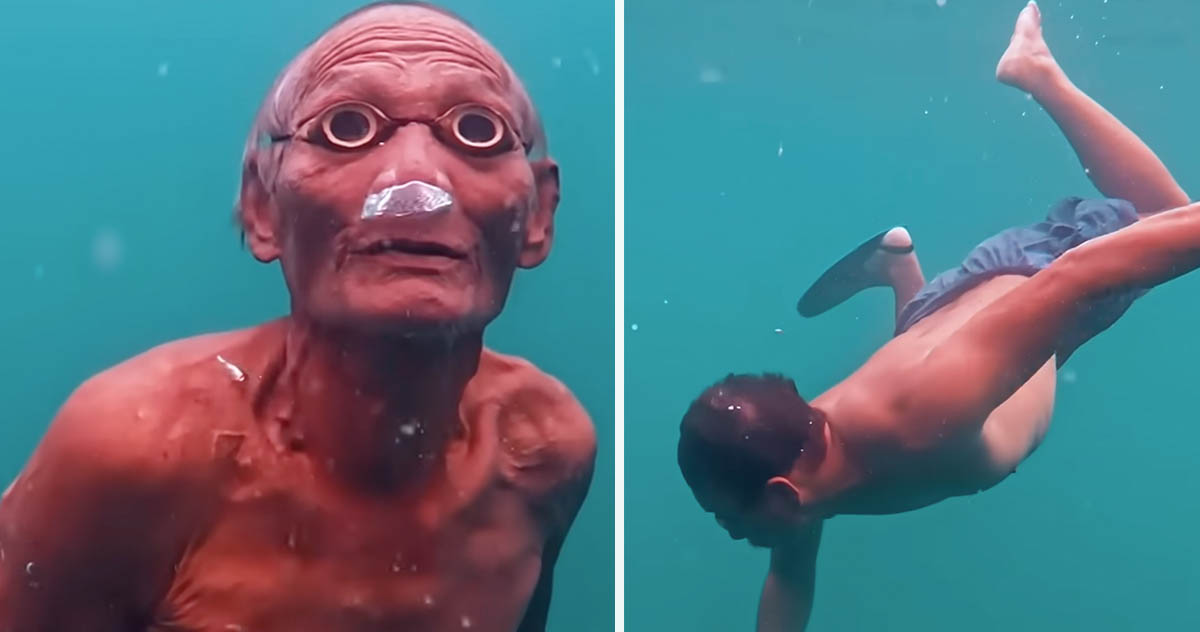
For thousands of years, the Bajau people have lived a life unlike that of almost anyone else on Earth, spending hours at a time beneath the waves, diving to incredible depths without scuba gear. Now, scientists have discovered a remarkable difference in their bodies that could help explain how they do it. The reason has left many people amazed
For most people, holding their breath underwater for even a few minutes would be extremely difficult. But for the Bajau people of Southeast Asia, diving deep into the ocean has been part of everyday life for generations.
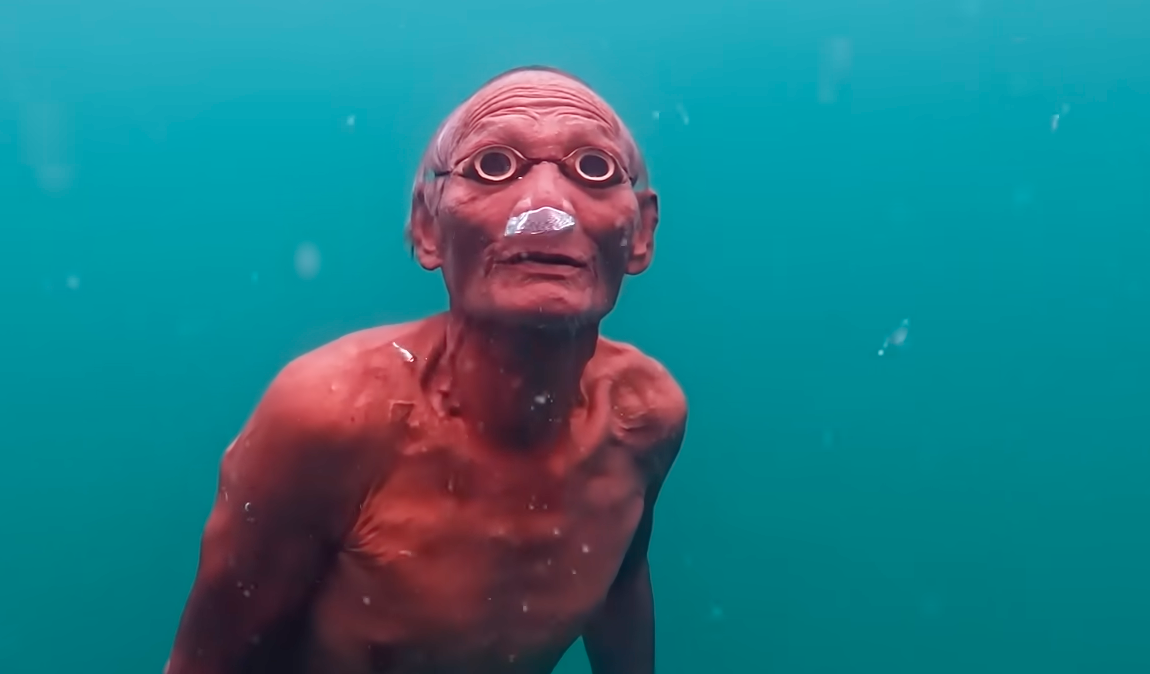
Known as the “Sea Nomads,” the Bajau traditionally spend hours fishing and searching for food beneath the surface. Some divers can descend to impressive depths while holding their breath for several minutes at a time.
Now, scientists believe they may have discovered one reason for their extraordinary ability. Researchers studying the Bajau found that they have significantly larger spleens than nearby populations.
The spleen may not be the first organ you think about when it comes to your health. However, it plays a crucial role in your body. It helps release oxygen-rich red blood cells into your bloodstream, which can be a huge advantage for people who spend hours diving underwater.
Asian tribe has developed a ‘new mutant gene’
For those who dive for up to eight hours a day, having a larger spleen could make a remarkable difference.
“For possibly thousands of years, [they] have been living on house boats, travelling from place to place in the waters of South-East Asia and visiting land only occasionally. So everything they need, they get from the sea,” Melissa Ilardo, author of the study at the University of Copenhagen, told the BBC program Inside Science.
“When they’re diving in the traditional way, they dive repeatedly for about eight hours a day, spending about 60% of their time underwater. So this could be anything from 30 seconds to several minutes, but they’re diving to depths of over 70m.”
The Bajau tribe have also been using traditional wooden goggles and a weighted belt, which have made it easier for them to adapt to their aquatic lifestyle.
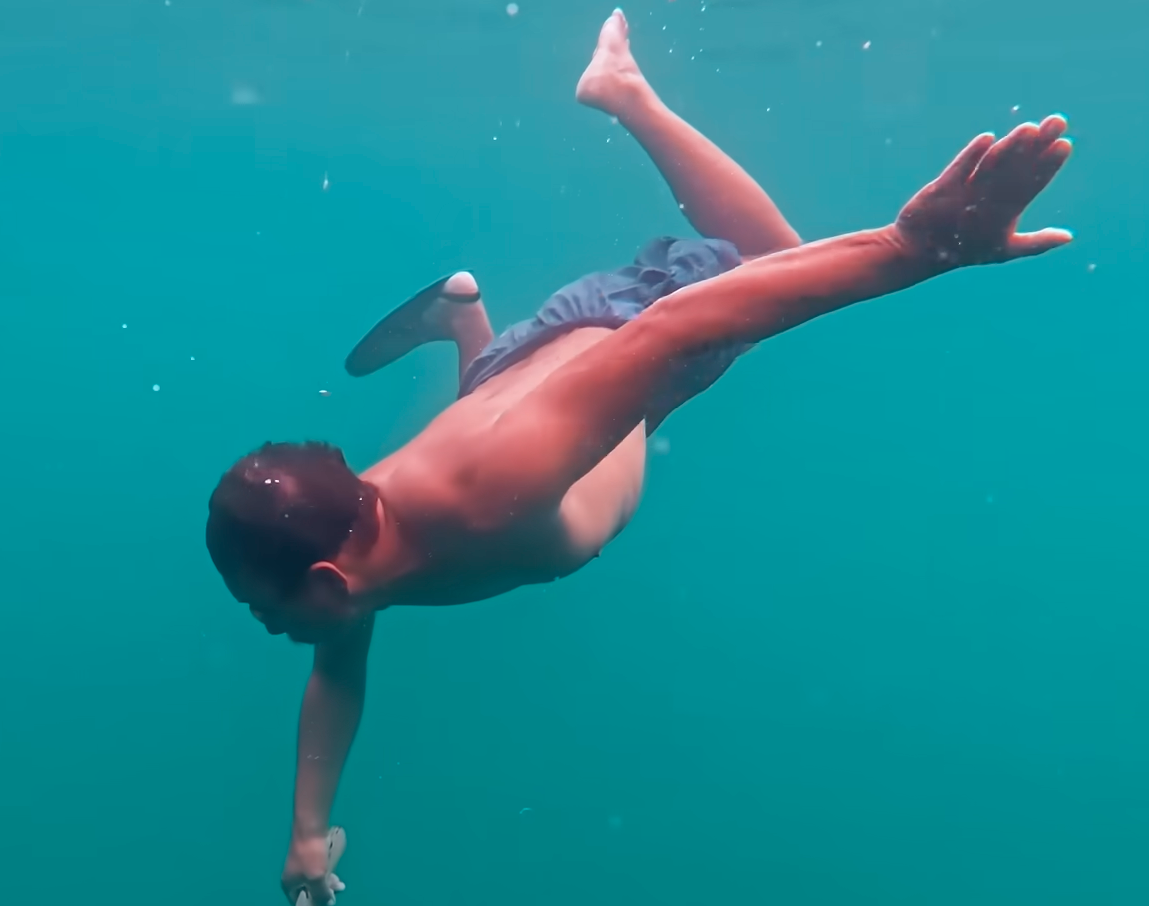
“There’s a human dive response that’s triggered by holding your breath and submerging yourself in water. You can trigger it by submerging your face in cold water,” Ilardo continued. “Your heart rate slows down, you have peripheral vasoconstriction where the blood vessels in your extremities get smaller to preserve the oxygenated blood for your vital organs and then the last thing is a contraction of the spleen.
“Biological scuba tank”
She added, “The spleen is a reservoir for oxygenated red blood cells, so when it contracts, it gives you an oxygen boost. It’s like a biological scuba tank.”
Co-author Prof Rasmus Nielsen, from UC Berkeley added, “By studying the Bajau, we can figure out: what are some of the genes that help predict differences in people in how they respond to acute low oxygen levels?”
The body is truly incredible! Please share your opinion on this new mutant gene in the comment section.
READ MORE
- Scientists find structure under Pacific Ocean linked to ‘Super El Niño’
- YouTuber who became first person to land on North Sentinel Island alone and survive reveals bizarre reason for going