
There are new fears of a mass found under the Pacific Ocean and scientists have a warning for everyone on what it could mean.
Keep reading to learn more.
Scientists say they have identified a massive structure forming beneath the Pacific Ocean that could be driving what experts fear may become an extremely powerful El Niño event later this year.
Researchers recently detected an enormous underwater mass of unusually warm water, known as a Kelvin wave, rapidly developing beneath the Pacific.
According to experts, parts of the structure are already measuring temperatures as much as 13.5 degrees Fahrenheit above average, raising concerns that the world could soon experience some of the hottest weather ever recorded.
Scientists say the phenomenon may be linked to the possible formation of a “super El Niño.”
A super El Niño occurs when Pacific Ocean surface temperatures rise at least 3.6 degrees Fahrenheit above long-term averages, dramatically disrupting global weather systems.
These events are known for triggering extreme climate conditions around the world, including record-breaking heatwaves, severe storms, droughts, flooding, and colder, windier winters in some regions.
Michelle L’Heureux, a researcher at the National Oceanic and Atmospheric Administration’s Climate Prediction Center, said the current Kelvin wave is already drawing comparisons to one of the strongest El Niño events in modern history.
“The current Kelvin wave is impressive and, by some measures we look at, it is rivaling the one we saw in 1997,” L’Heureux told The Wall Street Journal.
Scientists closely monitor Kelvin waves because their size and intensity can often provide early clues about how powerful an upcoming El Niño event may become.
Historically, some of the strongest El Niño periods have been linked to devastating global consequences.
The first recorded super El Niño occurred in 1877 and contributed to severe droughts and famines that reportedly killed an estimated 50 million people worldwide.
More recently, the 2015–2016 super El Niño was associated with outbreaks of diseases including Zika virus, cholera, hantavirus, and chikungunya.
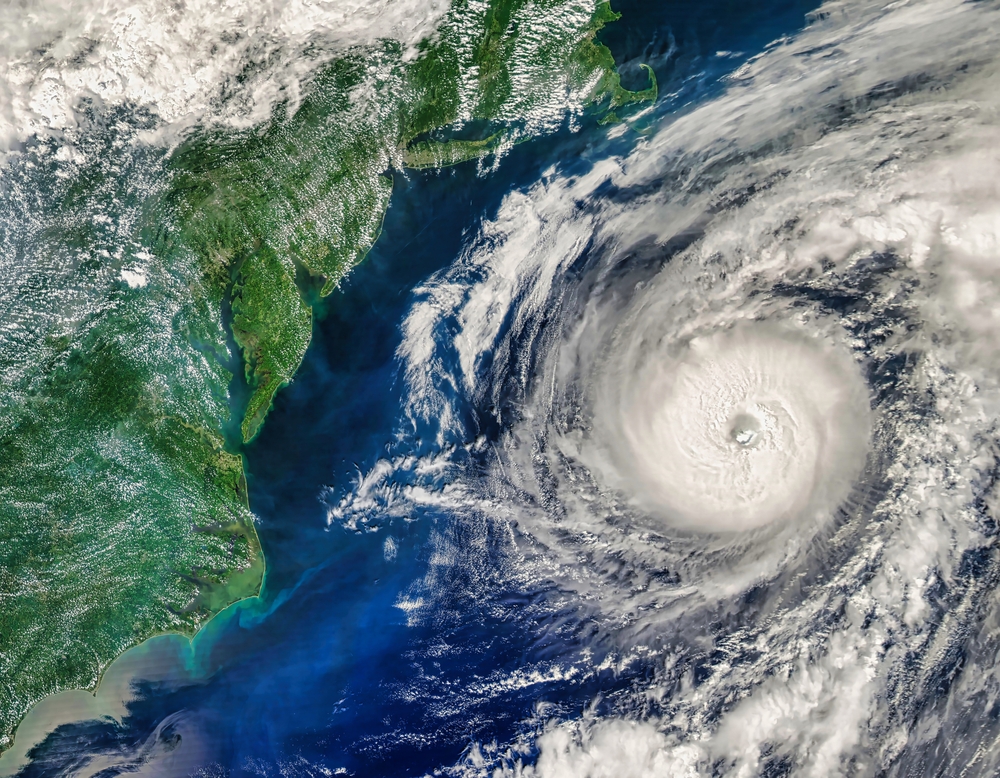
Adam Scaife, head of long-range prediction at the UK Met Office, warned the developing event could become one of the strongest seen in decades.
“There’s definitely something coming. We’re very confident about that, and it looks like it will be a big event,” Scaife told AFP.
He also cautioned that climate change could amplify the impacts beyond what the world has experienced during previous El Niño cycles.
“The impacts of this El Nino – on things like rainfall and of course temperature – are riding on top of climate change, and could well be larger than anything we’ve seen in the past,” he explained.
Scientists say rising global temperatures mean modern El Niño events may behave differently than they did even 20 years ago, making predictions increasingly difficult.
L’Heureux also stressed that certain important variables remain impossible to forecast far in advance.
“Ultimately the strength of this event will be likely influenced by details, like the low-level winds, which we cannot predict many months in advance,” she added.
Share this with others so they can be updated about the latest news.
READ MORE