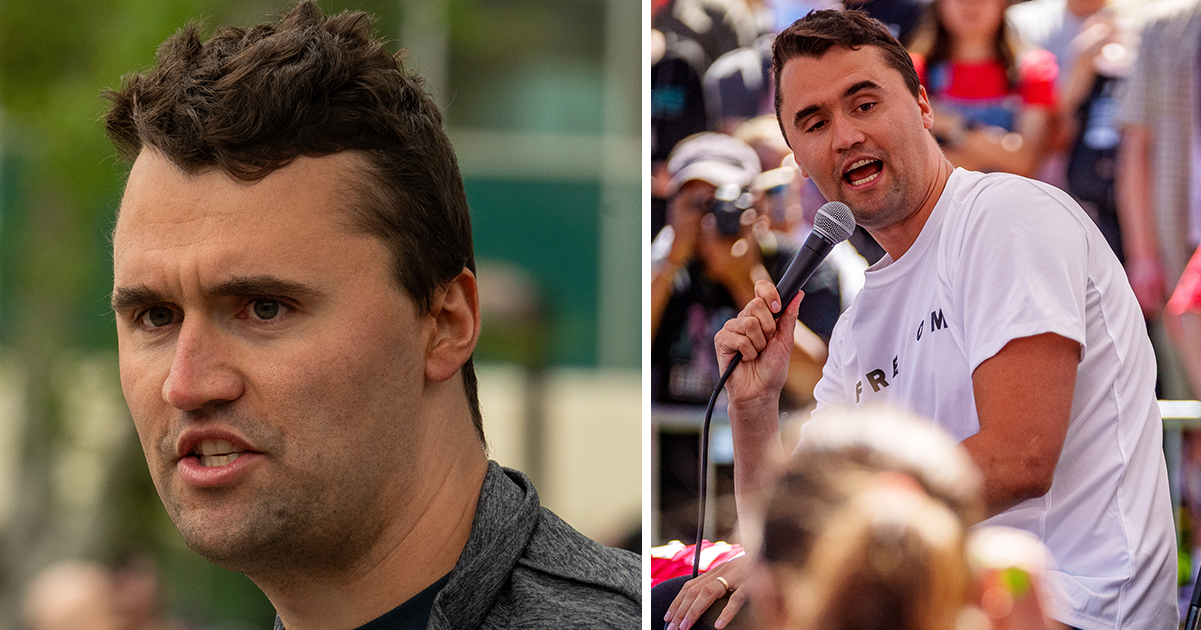
The murder of Charlie Kirk rightly became one of the dominant elements of the 2025 news cycle. The shocking manner in which the TPUSA co-founder was killed while hosting a debate at the Utah Valley University was burned into the memories of all who witnessed it, and indeed all those who saw the video footage that quickly spread around social media.
Aged just 31, Kirk, a prominent political mouthpiece for the Republican Party, was shot through the left side of his neck moments after answering a question on mass shootings. His assassination soon became the most talked about happening in the world.
Indeed, as the one-year anniversary of the slaying approaches, questions are still being asked and answered. 23-year-old Tyler Robinson last week denied aggravated murder and six other charges in connection with the shooting of Kirk on September 10, 2025.
With the case still very much in the minds of the public, perhaps it isn’t surprising that aspects of Kirk’s killing continue to be dissected. Any number of conspiracy theories exist across social media, while experts from various sectors have weighed in on the details behind what exactly happened.
That includes neuropsychologist Derek Van Schaik, who revealed on YouTube why Kirk’s arms seemed to lift in the half-second after the bullet pierced his neck.
“Many have speculated his arms moving upward towards his chest is due to a phenomenon known in forensic science as decorticate posturing,” Van Schaik explained in the weeks after the shooting.
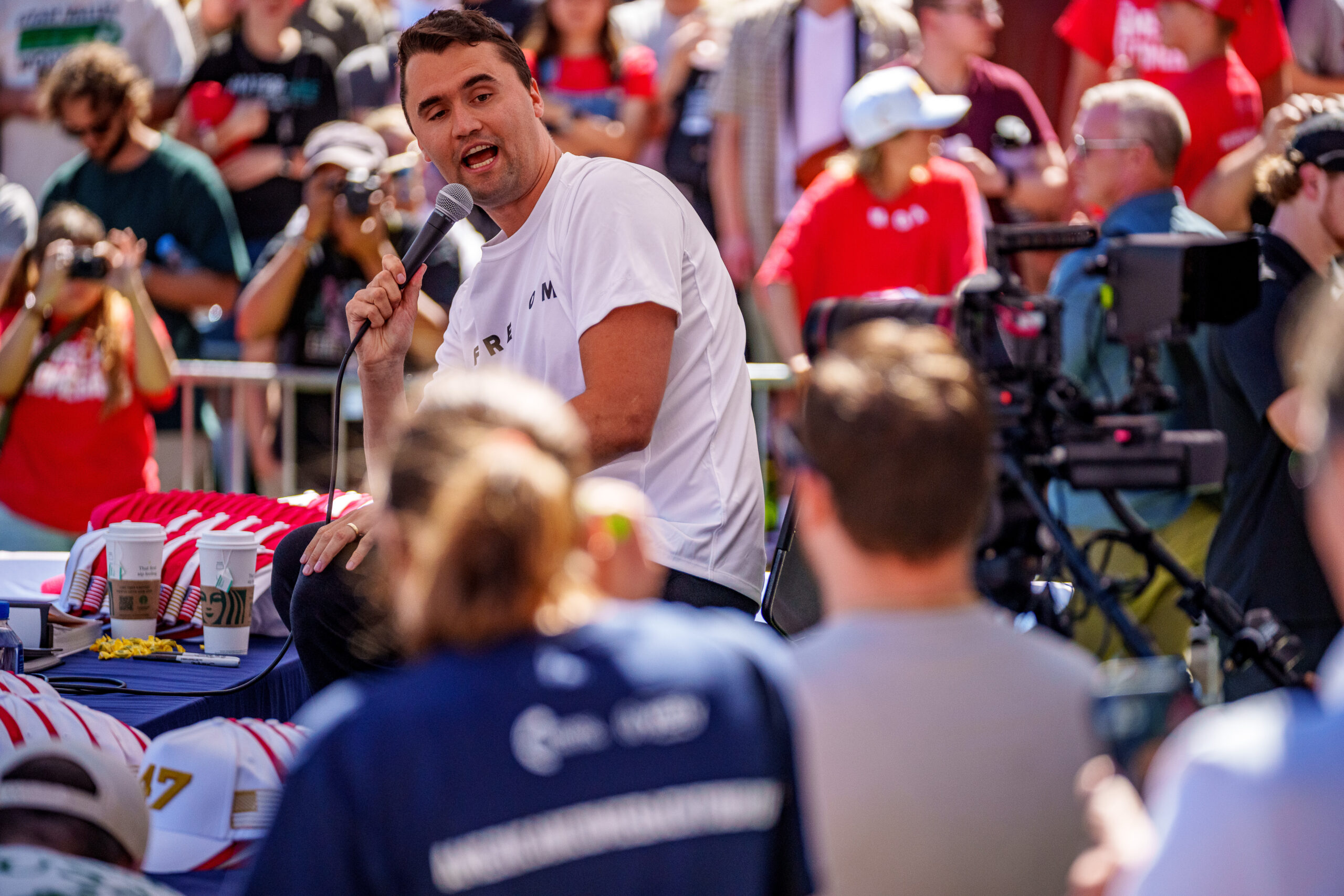
He added: “However, that’s unlikely.”
Van Schalk clarified that decorticate posturing occurs when “higher brain areas like the cerebral hemispheres are badly damaged, cutting off voluntary motor control.”
As Kirk’s cerebrum was unharmed by the shot, Van Schalk believes it “unlikely” the movement was down to decorticate posturing.
“An immediate loss of blood to the brain does not typically result in immediate decorticate posturing,” the neuropsychologist revealed.
“Instead, loss of blood to the brain would have led to rapid unconsciousness and flaccid collapse.
“Therefore, his arms instantly moving up like that after being hit was apparently due to an instant involuntary defensive reflex.”
Van Schalk also discussed the idea of Kirk even being aware that he had been shot, stating that he believes the political influencer wouldn’t have consciously registered the fact that he was dying.
“When someone suffers a catastrophic wound to the neck that destroys a carotid artery and jugular vein, the mind only has a fleeting window to possibly register what happened,” Van Schalk said.
“However, in Charlie’s case, and after analyzing the footage with a digital timer, he was conscious for no more than four tenths of a second after impact. Far too fast for his brain to even register what had happened to him.”
He continued: “For the brain to register an event, even briefly, it needs at least one to two seconds of continuous function after the injury. That would be just enough for a flash of shock or awareness of what just happened to them.
“If someone goes unconscious in less than about one second, the brain can not register the injury or even register that something is very wrong.”
Van Schalk concluded by opining that Kirk would not have realized he was about to die, adding: “Psychologically, the experience for Charlie is as if it never happened. No panic, no dread, no realization that he was about to die, only an abrupt blackout.
“It was neurologically impossible for him to psychologically realize anything was wrong at all.”
Read more: