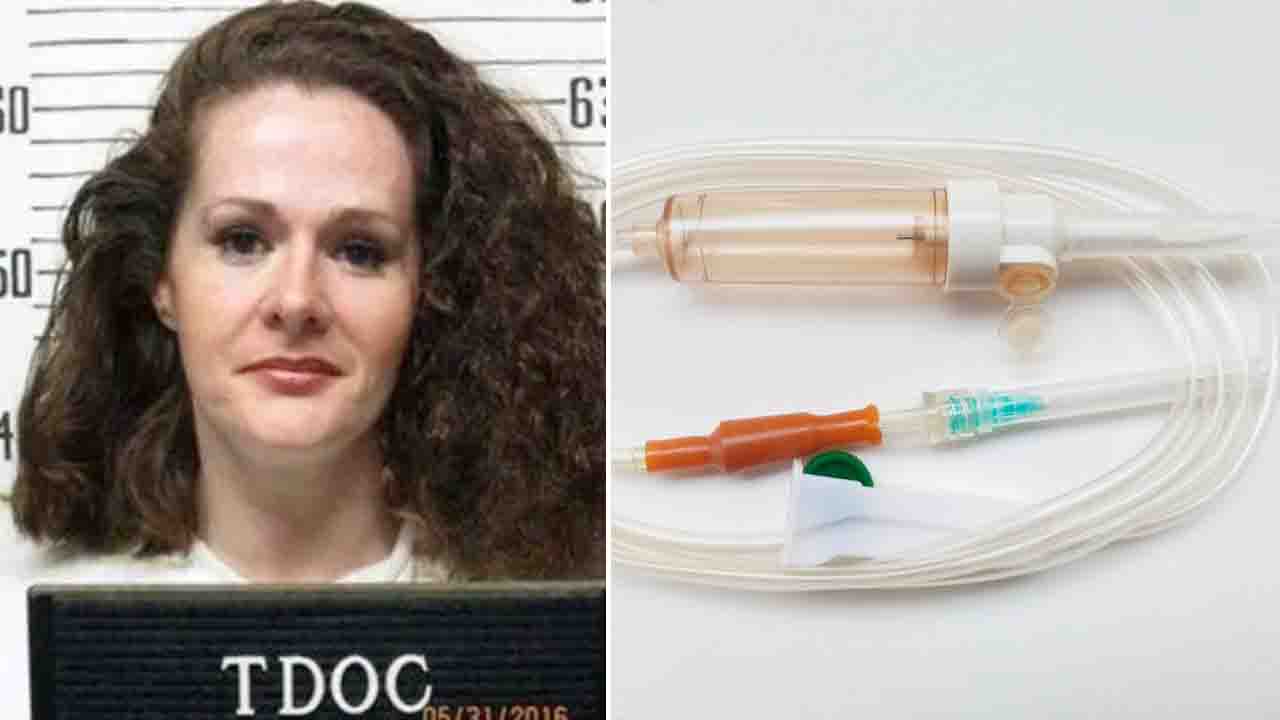
Christa Pike, 50, survived two attempts to execute her by lethal injection. Now, new details have emerged about the needles used during the failed execution.
Pike was scheduled to be put to death by lethal injection at Tennessee’s Riverbend Maximum Security Institution on Sept. 30, 2026, for the brutal 1995 murder of 19-year-old Colleen Slemmer, whom she tortured and stabbed to death with her boyfriend when she was just 18.
This would have made her the first woman executed in Tennessee in more than 200 years. However, Pike survived after receiving two doses of the lethal injection drug pentobarbital, before being rushed to the hospital.
On Tuesday, October 7, her legal team shared the first sign that her condition had improved, sharing a statement saying: “Against all odds, Christa Pike is conscious, speaking.”
“While her physical recovery has been remarkable, significant questions remain about the long-term effects of what she endured,” they said, according to the New York Post.
“Christa is dealing with the profound psychological trauma of having survived a failed execution, including the terror, pain and uncertainty of believing she was about to die.
“Christa also continues to experience cognitive challenges with concentration and memory.
“Her lungs are clear, and she has started to eat a regular diet,” they said. “Physicians are encouraged by her physical recovery.”
Christa Pike failed execution
Her recovery is still ongoing as doctors continue to assess the potential long-term effects of the botched execution. It could be another month or more before her medical team can determine whether she has suffered lasting cognitive or psychological damage, her attorney told TMZ.
According to new court documents obtained by the Associated Press, the execution team grew concerned that Pike’s veins had “blown” after repeated attempts to insert IV lines into her arms.
Her lawyer Randy Spivey stated in an October 22 court filing that staff made multiple attempts to establish IV access, using around 10 needles in total. According to him, Pike was still breathing and making sounds resembling choking as the drugs were administered, leading officials to stop the procedure.
“This event is the worst we’ve seen and unlike any other botched execution in the modern era,” Robin Maher, the executive director of the Death Penalty Information Center, told The New York Times. “There is no precedent.”
It remains unclear whether Tennessee will try to execute Christa Pike again.
Read more: