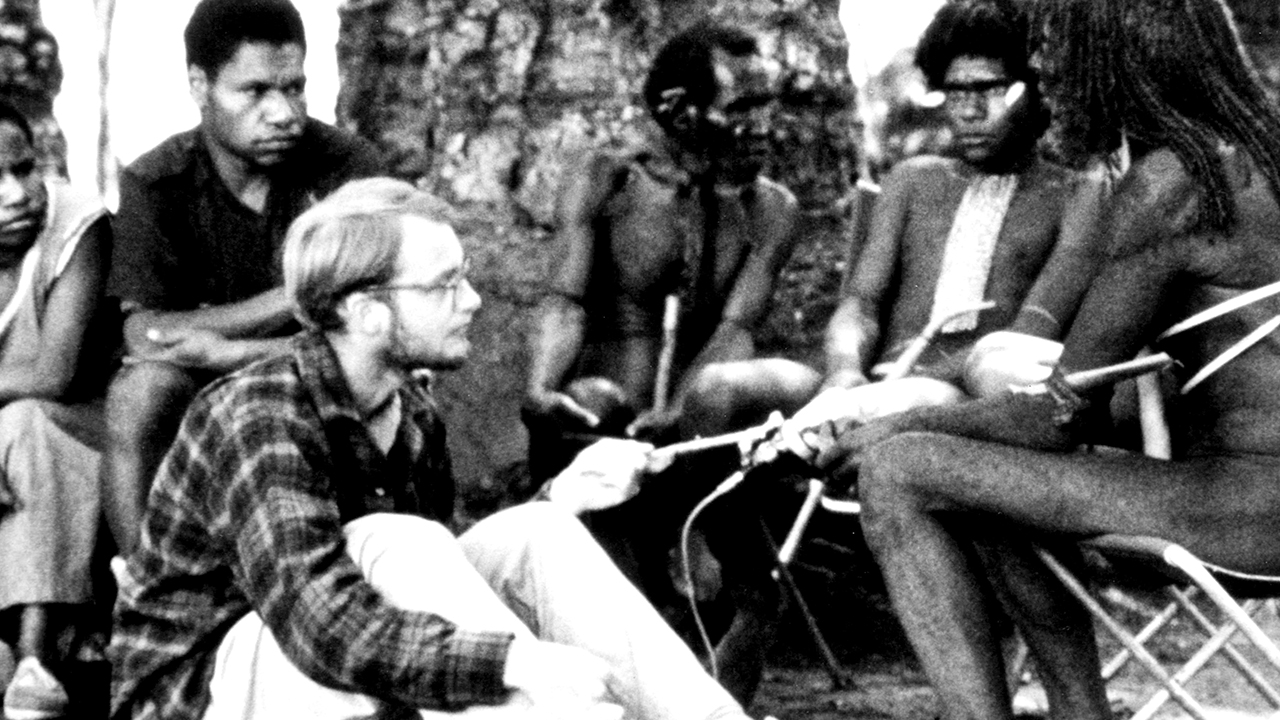
”I think I can make it.”
They were the last known words of Michael Rockefeller, a 23-year-old American who believed he could swim to safety after spending nearly a day stranded in the open sea.
His companion, Dutch anthropologist René Wassing, watched as the young man slipped into the water and began swimming toward the distant coastline.
Two empty fuel cans were strapped to his waist to help keep him afloat.
Michael was an experienced swimmer. The shore was visible, and he believed he could cover the distance.
But he would never be seen again.
The young Rockefeller who wanted an adventure of his own
More than six decades later, the disappearance of the young heir to one of America’s wealthiest families remains one of the most enduring mysteries of the 20th century.
Some believe he drowned in the rough waters off New Guinea. Others have argued that he made it to land, only to meet a horrifying fate at the hands of members of the Asmat community.
There are accounts, investigations and deeply disturbing allegations. But there is one thing nobody has ever been able to produce: definitive proof of what happened to Michael Rockefeller.
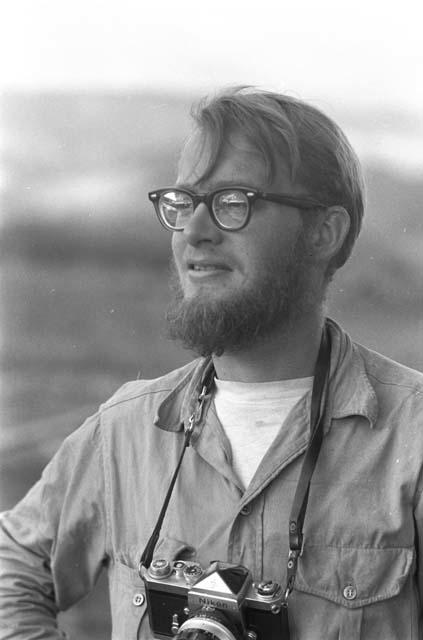
Michael Clark Rockefeller was born on May 18, 1938, into a family whose name was synonymous with immense wealth and influence.
His father was Nelson Rockefeller, then governor of New York and later vice president of the United States. His grandfather, John D. Rockefeller Jr., was the son of Standard Oil founder John D. Rockefeller, one of the richest men in American history.
Michael could have followed a comfortable path in the world he had been born into. Instead, he developed a fascination with anthropology, photography and the art of cultures far removed from his own.
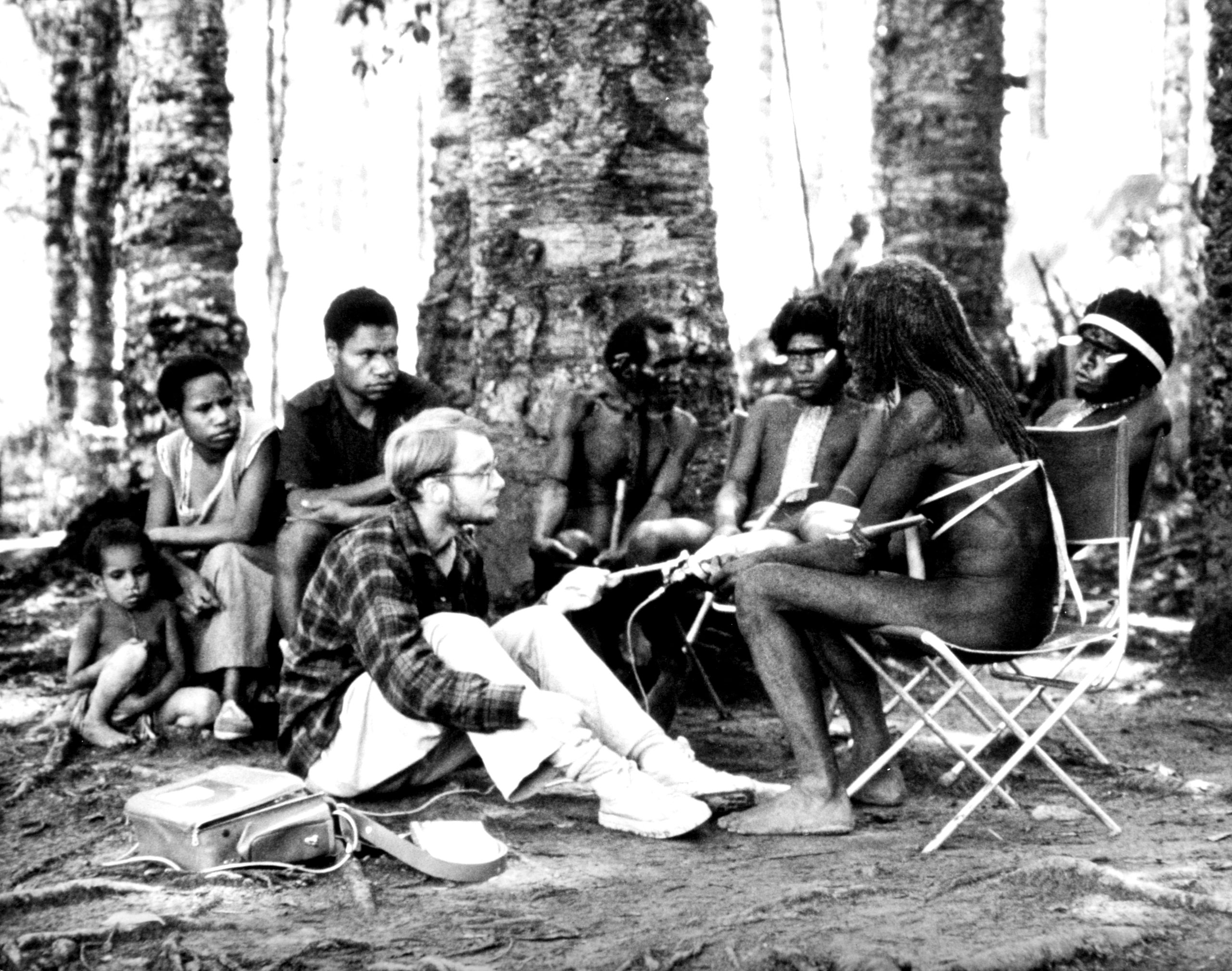
After graduating from Harvard University in 1960, he joined an expedition to Dutch New Guinea, now part of Indonesia. The journey was connected to Harvard’s Peabody Museum of Archaeology and Ethnology, and Michael worked as a photographer and sound recordist.
During the expedition, he became particularly interested in the Asmat people, whose intricate wood carvings and ceremonial objects fascinated him.
He was determined to learn more about their culture and collect examples of their art.
In a letter home, he described the experience as exhausting but exciting, comparing the different ceremonies and artistic styles to pieces of a huge puzzle he was trying to understand.
For Michael, this was more than an opportunity to travel. He wanted to document a culture he believed deserved greater recognition.
His second expedition would change everything
Michael first visited the Asmat region in 1961. Later that year, he returned to continue photographing the people and collecting their distinctive artwork.
This time, Dutch anthropologist René Wassing accompanied him.
The pair travelled between villages, meeting local people and gathering objects for Michael’s growing collection. Their journey took them through an isolated landscape of rivers, mangrove swamps and dense jungle.
The region was difficult to navigate, and the rivers and coastal waters could become dangerous with changing tides.
At one point, Michael and Wassing were travelling in a small catamaran, accompanied by two local guides.
Then disaster struck.
Their boat was overwhelmed by waves, the engine stopped working and the vessel eventually overturned.
Michael, Wassing and their two guides were suddenly stranded in the water, several miles from shore.
The two local guides decided to swim for help. They eventually reached land and began trying to alert the authorities.
But help would not arrive immediately.
Stranded at sea for 24 hours
Michael and Wassing were left clinging to the overturned boat.
Hours passed, and the two men waited for someone to find them. The coastline remained visible in the distance, but the water between them and safety was considerable.
By the following morning, they had been stranded for roughly 24 hours.
Wassing later recalled that Michael became increasingly concerned about the possibility of drifting farther out to sea.
He eventually decided that swimming was their best chance.
On the morning of November 19, 1961, Michael prepared to leave the wreckage. He was wearing only his underwear and glasses, with two empty gasoline cans attached to his belt as makeshift flotation devices.
He also took a compass and a knife.
Wassing tried to persuade him to stay.
But Michael had made up his mind.
“I think I can make it,” he told his companion.
He slipped into the water and began swimming toward the shore.
At first, Wassing could still see him. But as the distance grew, Michael became little more than a tiny figure in the vast expanse of water.
Eventually, he disappeared from view.
It was the last time anyone is known to have seen him alive.
A massive search failed to find a single trace
Wassing was eventually spotted and rescued the following day.
Michael, however, was nowhere to be found.
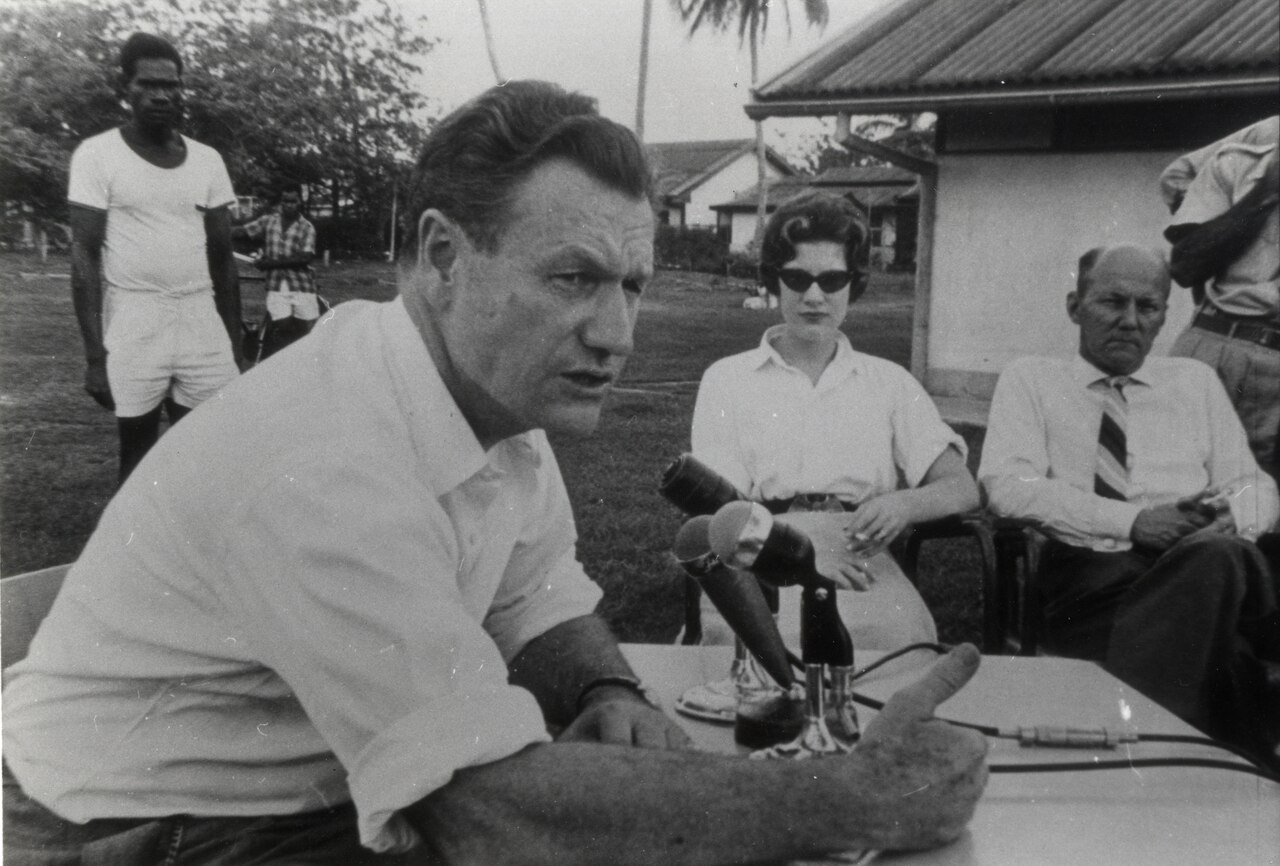
The disappearance quickly attracted international attention. His father, Nelson Rockefeller, travelled to the region and helped organize efforts to locate his son.
Ships, aircraft and helicopters were involved in the search. Local residents also helped comb the coastline, rivers and surrounding swamps.
The operation was extensive, but there was no sign of Michael.
No body was recovered. No clothing, personal belongings or other confirmed remains were found.
As the days passed, hopes of finding him alive began to fade.
On November 24, Dutch authorities publicly acknowledged that there was no longer hope of finding him alive. The search continued for a time, but after approximately two weeks, the major operation was called off.
Michael was eventually declared legally dead in 1964.
The official explanation was that he had drowned. But the lack of physical evidence left room for another possibility – one that would haunt the case for decades.
The disturbing theory that he reached shore
Almost from the beginning, people questioned whether Michael had actually drowned.
He had flotation devices with him, and some wondered whether he might have managed to reach land after all.
Over the years, theories emerged that he had been attacked by a shark or crocodile, captured by local people, or even survived and disappeared into the jungle.
One of the most disturbing explanations involved the Asmat community.
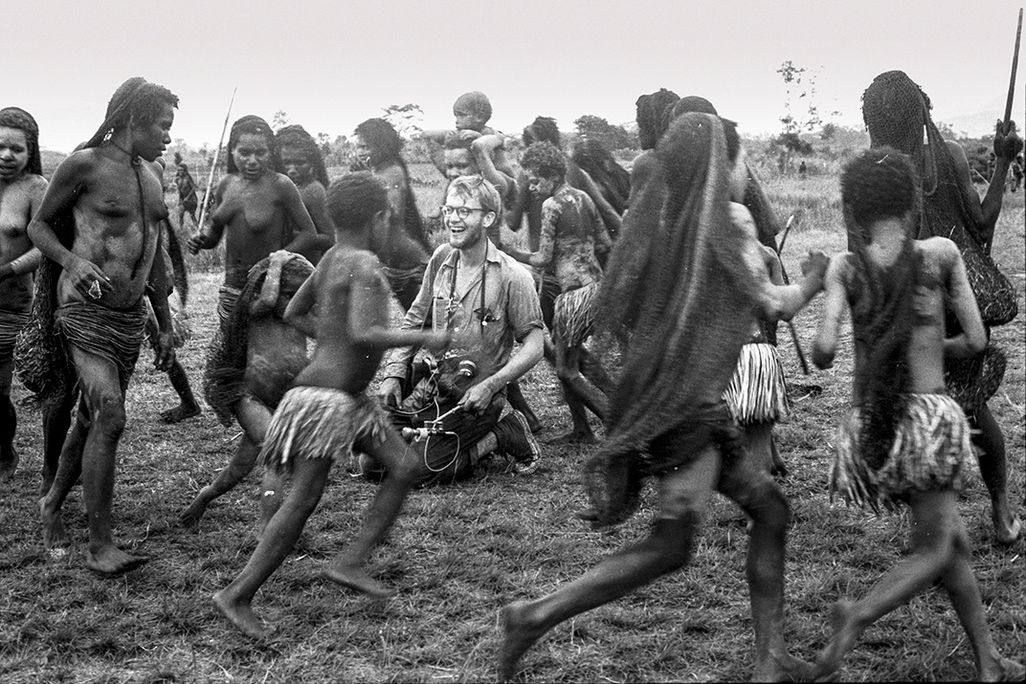
At the time, some Asmat communities still practised headhunting and ritual cannibalism as part of traditional cycles of warfare and revenge. These practices were not random acts of violence, but were connected to deeply rooted cultural and spiritual beliefs.
Some investigators and later writers came to believe that Michael may have reached the coast and been killed by men from the village of Otsjanep.
The theory was particularly unsettling because it suggested that the young American had survived the dangerous swim, only to encounter another threat on land.
But where did the story come from?
Witness accounts raised even more questions
In 2014, journalist Carl Hoffman published Savage Harvest, a book examining Michael’s disappearance and the events surrounding it.
Hoffman travelled to the Asmat region, spoke with residents and examined Dutch colonial records, missionary correspondence and reports that had not previously received much public attention.
He uncovered accounts suggesting that some villagers had spoken about Michael’s death shortly after he disappeared.
According to the testimony described in Hoffman’s investigation, a group of men from Otsjanep had encountered a white man in the water near the village.
The man was reportedly swimming and waving at them.
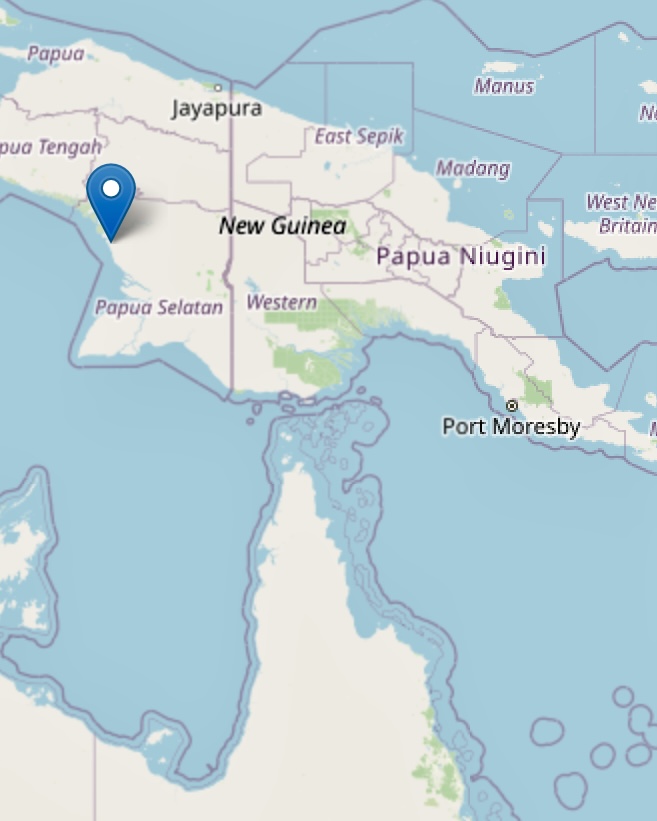
Some of the men allegedly argued about what to do. Hoffman wrote that the accounts described a decision to kill the stranger, partly as revenge for the deaths of five Otsjanep men during a violent encounter with Dutch colonial forces in 1958.
According to these accounts, the stranger was Michael Rockefeller.
The alleged motive was revenge for the earlier killings, which had left deep wounds in the community.
Hoffman’s investigation also examined reports from Dutch missionaries who had heard similar accounts from local residents in the weeks after Michael vanished.
These accounts were disturbing, but they were not supported by recovered remains or forensic evidence. They remain the basis of a theory rather than a conclusively established explanation.
Did the authorities know more than they revealed?
Another question raised by the case concerns the Dutch colonial authorities.
Hoffman’s research suggested that some officials and missionaries had received information pointing toward the possibility that Michael had been killed after reaching shore.
He argued that investigations conducted after the initial search produced reports that were not fully disclosed at the time.
The possibility that officials deliberately kept information from the Rockefeller family has therefore become part of the wider mystery.
However, the reasons for any lack of disclosure remain contested. The surviving records do not establish that the Dutch government deliberately covered up Michael’s death.
The political situation in the region was complicated, and the Dutch administration was facing growing pressure over its control of western New Guinea.
The possibility of a violent incident involving local people and the son of one of America’s most powerful political figures would have been extremely sensitive.
Still, the existence of unanswered questions does not prove that a cover-up took place.
His own sister believed he drowned
Not everyone who knew Michael accepted the theory that he had been killed by the Asmat people.
His twin sister, Mary Rockefeller Morgan, spent years living with the uncertainty surrounding her brother’s disappearance.
In her 2012 memoir, she wrote about the devastating impact of losing him and the difficulty of dealing with decades of speculation.
She believed that drowning was the most likely explanation.
Morgan pointed to the strong offshore currents, changing tides and turbulent waters in the area. She also questioned claims that her brother had survived the swim and reached the shore.
In her view, there was no concrete evidence proving that he had been killed.
Her account is an important reminder that the story is not simply a question of choosing between two dramatic theories. The family itself never received a definitive answer.
His collection remains part of his legacy
Although Michael disappeared at just 23, his work did not vanish with him.
Many of the Asmat objects he collected eventually became part of the collection at New York’s Metropolitan Museum of Art.
The museum’s Michael C. Rockefeller Wing was established in memory of him and displays art from Africa, Oceania and the Americas.
His photographs and fieldwork also remain part of the historical record of the Harvard-Peabody expedition.
The Peabody Museum at Harvard preserves material connected to his journey, including photographs and Asmat objects he collected.
In many ways, his work helped bring wider attention to the artistic traditions of the Asmat people.
But his name is still most often remembered for the journey from which he never returned.
More than 60 years after Michael Rockefeller disappeared, the questions remain.
Did the 23-year-old simply run out of strength in the open water? Did he encounter a crocodile or another danger before reaching land? Or did he survive the swim, only to be caught up in a cycle of revenge that had begun years earlier?
Without his remains or definitive physical evidence, the truth may never be known.
All that remains is the account of a young man who looked toward the distant shore, believed he could reach it and made one final decision.
“I think I can make it.”
READ MORE
- Woman who survived 5 days in shark-infested waters reveals 1 mistake that cost others their lives
- JD Vance’s table manners at Thanksgiving lunch with troops go viral